

Published
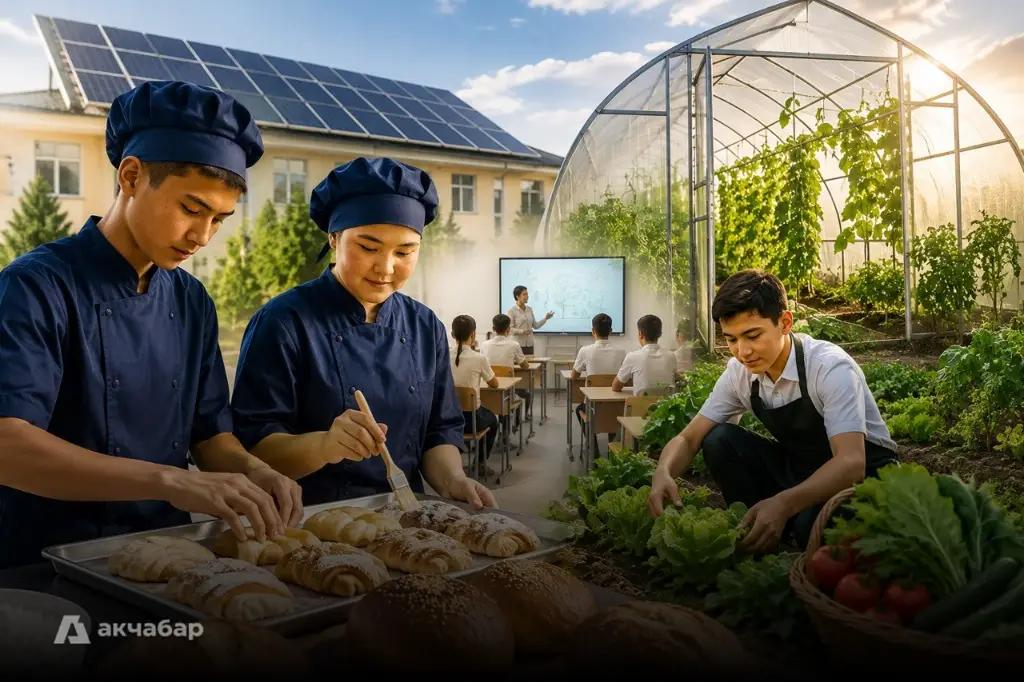
06/18/2026, 15:20This year, with the support of the UN World Food Programme, the Chui boarding school, founded in 1956, was transformed into an innovative model school. The institution established a school bakery, installed solar panels, and set up a school garden and greenhouse. From now on, students will combine learning with practice, helping them acquire skills that are in demand in the labor market.
From the bakery comes the aroma of fresh bread, buns and croissants. At the tables and near the ovens, the school’s pupils are at work — kneading dough, shaping pastries, and preparing cream for baking. This is not a one‑time event for guests or a demonstration. The bakery has long become part of the school’s daily life and, at the same time, a training ground where children acquire their first professional skills and prepare for independent living.
Today, the boarding school is becoming an example of how modern approaches to education can be combined with care for children’s health, vocational training, and sustainable development.
One of the most notable projects has been the school bakery. With the support of the United Nations World Food Programme, one of the boarding school’s premises was fully renovated and equipped with modern baking equipment, furniture, and the necessary tools.
Today, children here are learning to prepare bakery products, mastering the basics of cooking and confectionery. The skills they acquire not only help diversify school meals but also open up opportunities for future employment.
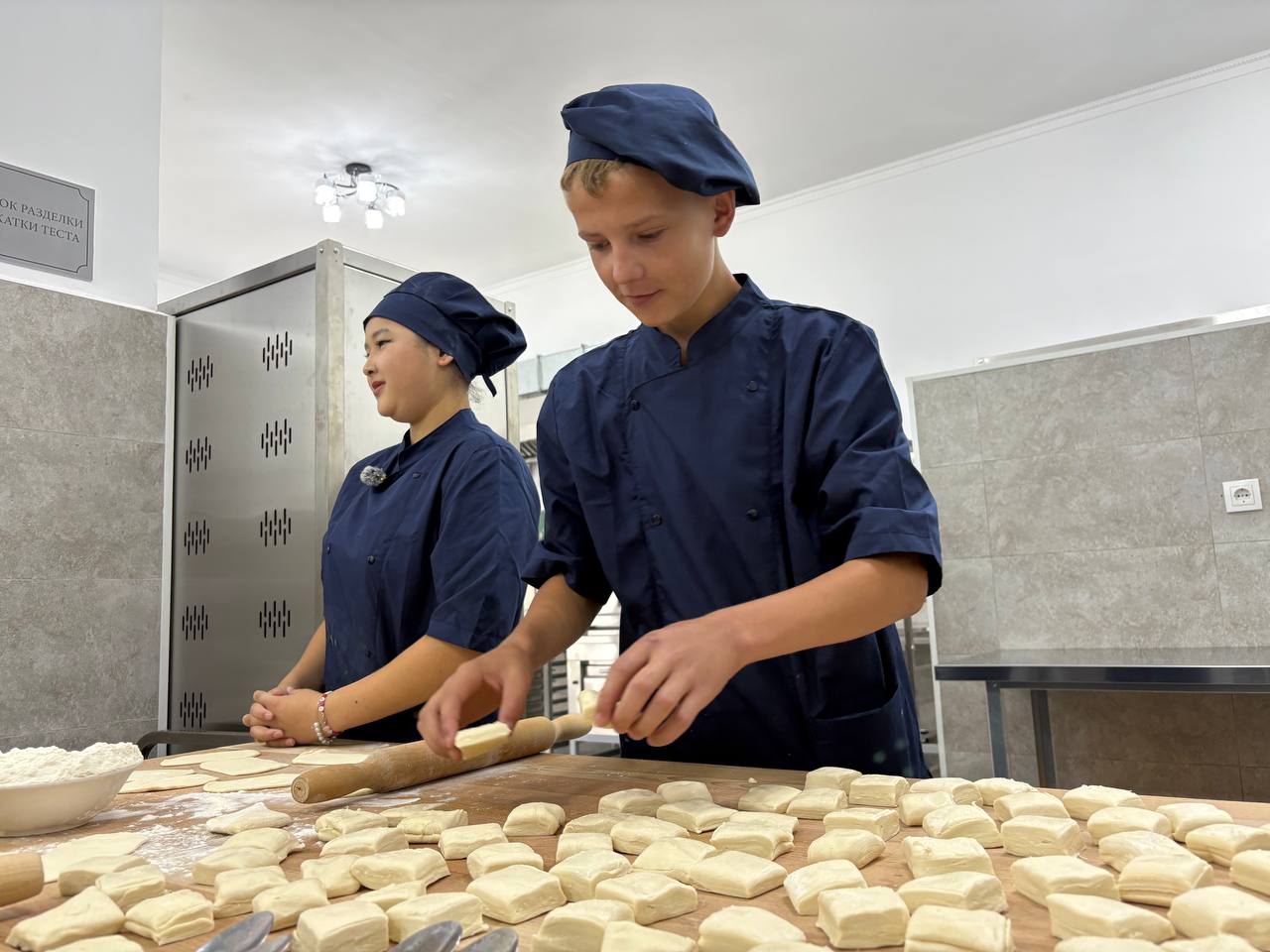
Fifteen‑year‑old Viktor confidently works with croissant dough. While his peers are only beginning to think about choosing a profession, he already knows how to prepare various types of pastries.
"I enjoy cooking; everything related to dough I already know how to do. What I love most are fried pies with potatoes,” — the teenager says.
Although Viktor would like to work with car repairs and learn welding in the future, he considers the skills gained in the bakery useful for life.
Next to him works fourteen‑year‑old Aisha. On this day, she is preparing a cream made from boiled condensed milk for croissants. According to the girl, children already know how to make different types of creams — custard, sour‑cream based, and others.
The school cook, Dilbar Chyngyshbaeva, supervises the process and helps the children.
"Our children can make samsy, buns, croissants and other pastries. For afternoon snacks, we always have our own products,” — she says.
In 2025, with the support of the United Nations World Food Programme, 30 pupils completed professional training in baking and cooking at the Republican Competency Center. Upon completion of the course, all participants received state‑recognized diplomas.
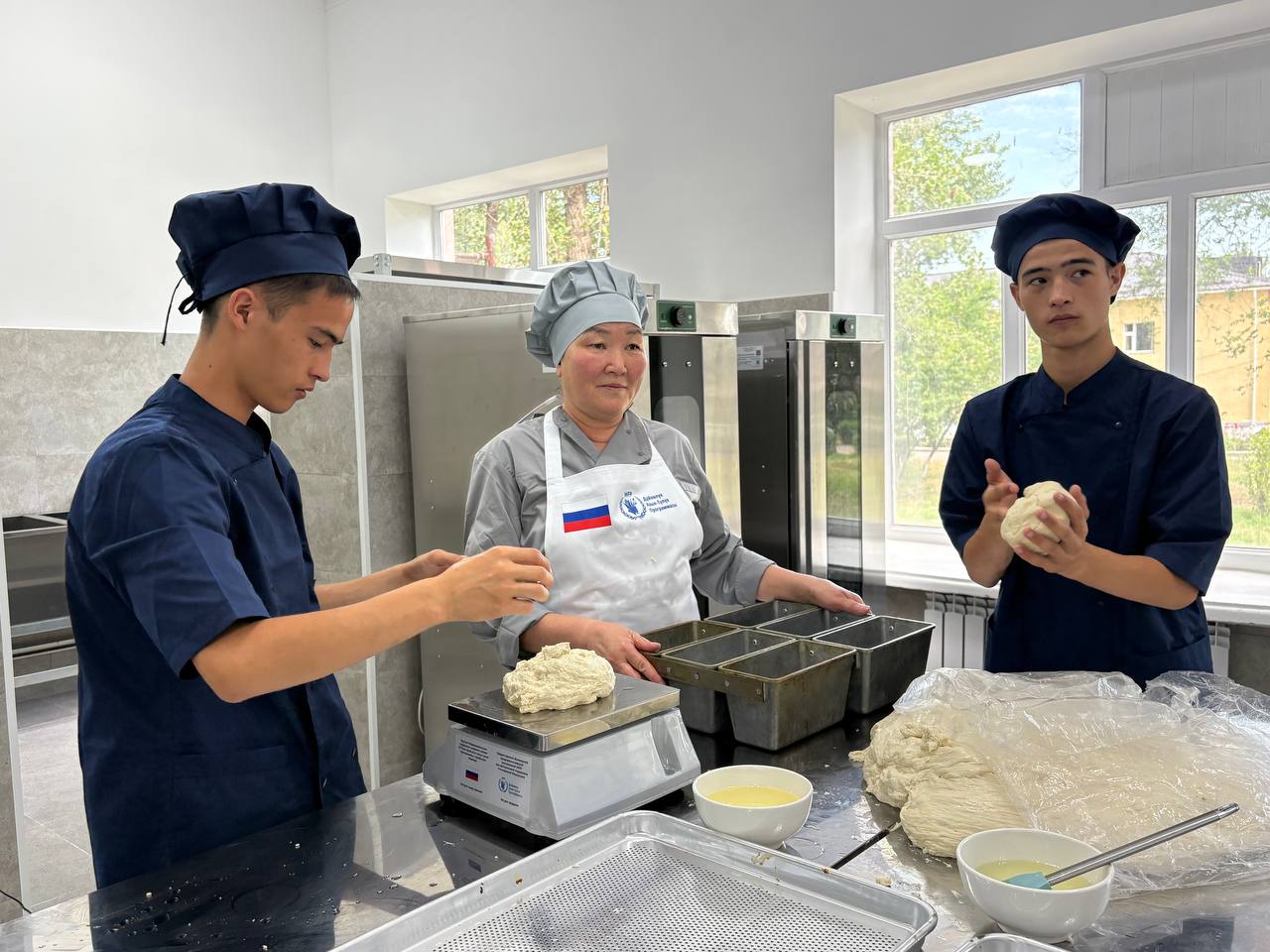
Thanks to the creation of a fully equipped school bakery, part of the training can now be conducted directly on the boarding school’s premises with the involvement of qualified specialists. This will make it possible to reach a larger number of students and make the educational process more accessible.
According to representatives of the Ministry of Education, the school has already developed a business plan for the further development of the bakery. Based on the calculations, its own production could generate up to 60,000 KGS per month. These funds are planned to be directed towards the school’s development and the implementation of new initiatives.
Another important element of the project has been the school gardens and the greenhouse.
The United Nations World Food Programme promotes a sustainable school meals model based on the use of products from local producers. Within this concept, schools can purchase organically grown food from farmers, supporting the local economy while at the same time improving the quality of children’s nutrition.
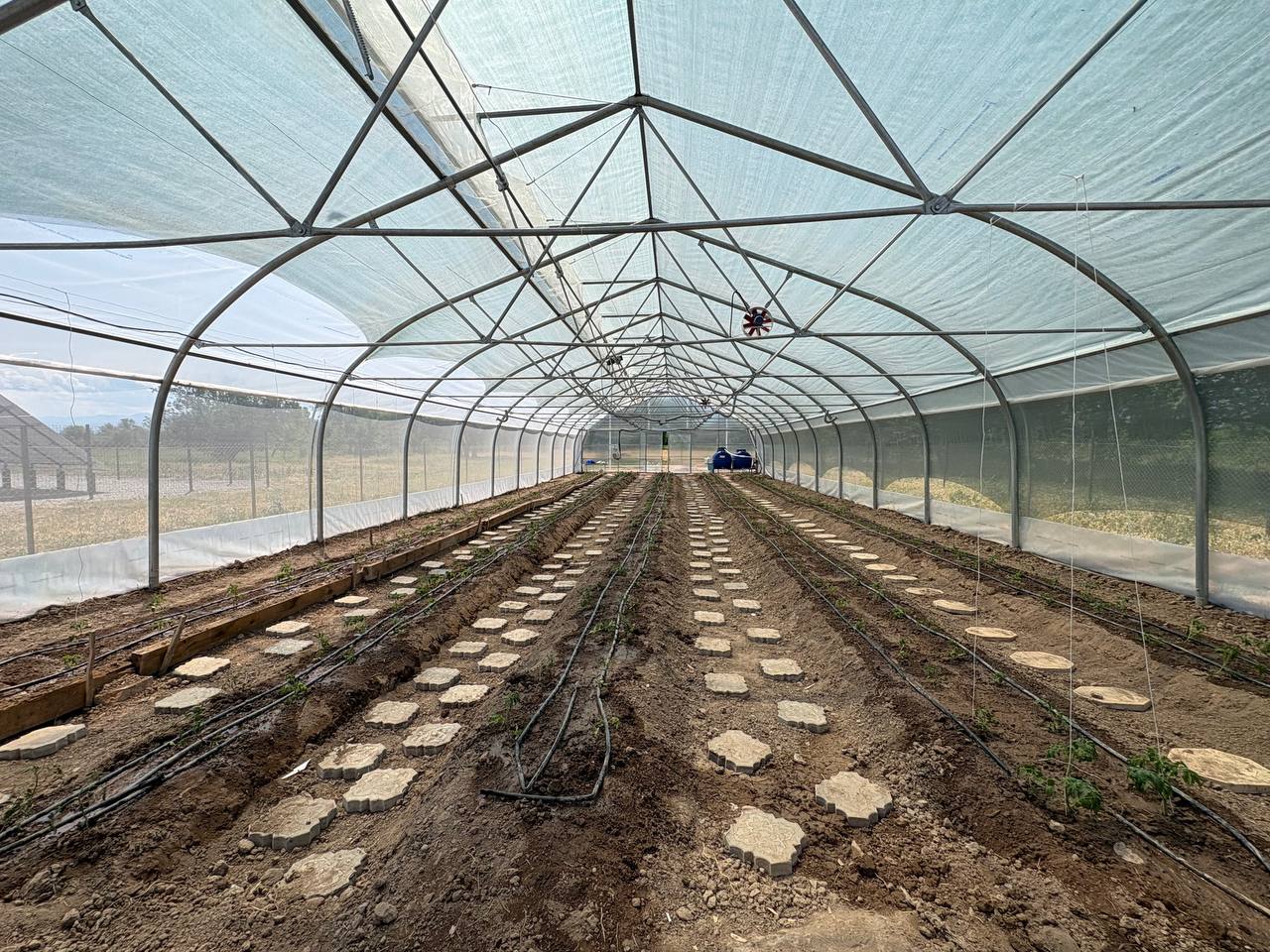
At the Chui boarding school, its own training plot was established. For this purpose, a greenhouse was built, a water supply system was installed, and seeds, gardening tools, organic fertilizers and composting equipment were purchased.
Today, the students grow vegetables and other crops on their own, and the harvest will be used in the school canteen. Yet the significance of the project goes far beyond agriculture.
Deputy Minister of Education Lira Samykbaeva notes that students study biology and ecology not only from textbooks but also in practice. They learn what conditions plants need to grow, how to use water and land efficiently, and become familiar with drip irrigation technologies and the principles of sustainable agriculture.
To ensure quality education, the UN World Food Programme organized training for teachers of biology, geography, and technology, as well as for the school’s technical staff.
As a result, the greenhouse has become not just a source of vegetables for the cafeteria, but a fully fledged educational platform.
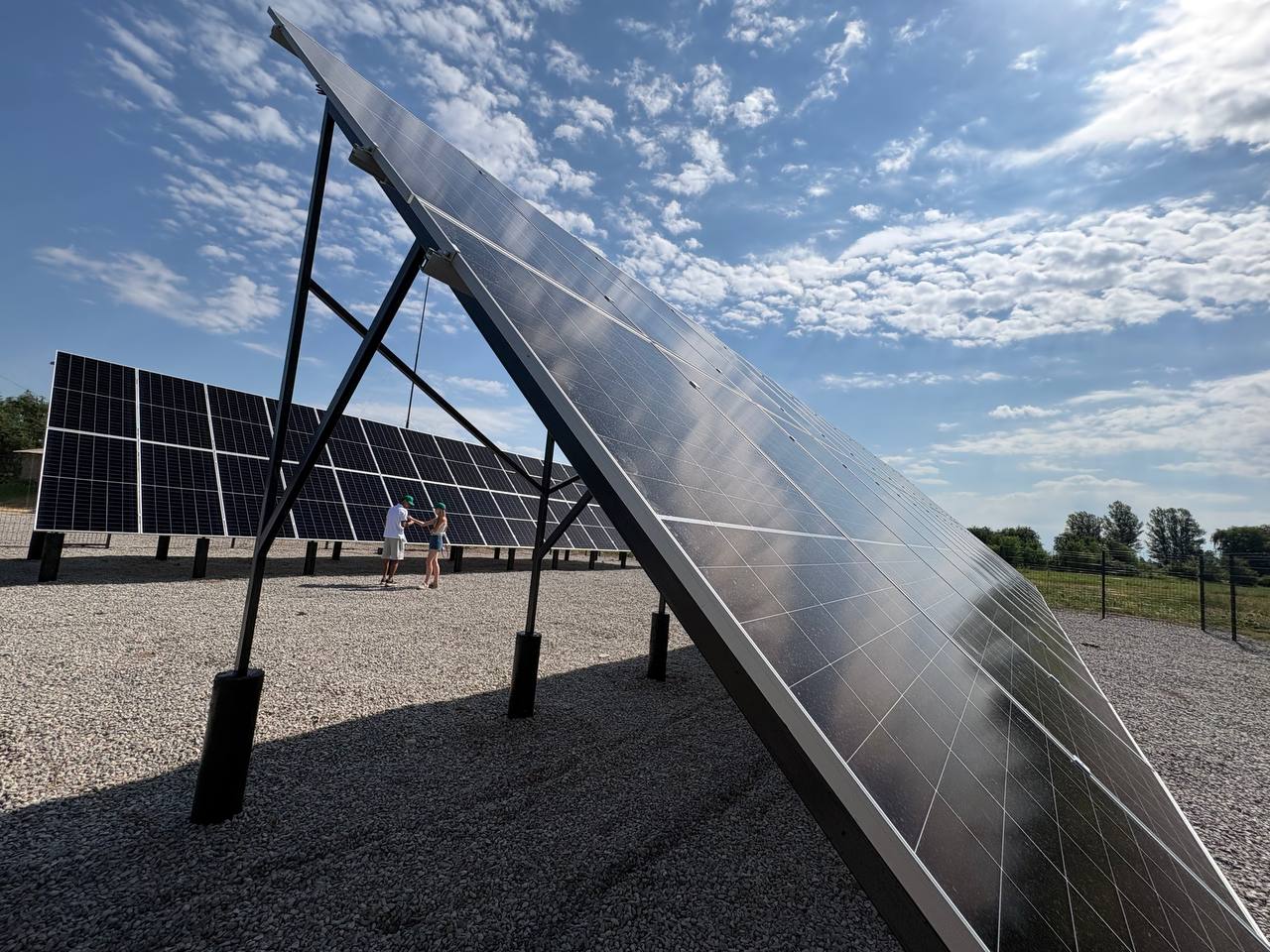
Solar panels with a capacity of 40 kilowatts have been installed on the school grounds. They cover most of the institution’s electricity needs, including the operation of the canteen and the bakery. In winter, the boarding school will also be able to heat itself using the solar station.
Beyond the economic impact, the project also has an environmental dimension. Dependence on external energy sources is reduced, the burden on the environment decreases, and the panels themselves serve as a clear example of modern technologies for students.
For children, this is yet another opportunity to get acquainted with the professions of the future and to see how innovative solutions work in real life.
Zamira Kyshtobaeva, Deputy Plenipotentiary Representative of the President in Chui province, emphasized that the state is currently paying special attention to creating a safe and healthy educational environment.
According to her, every child, regardless of life circumstances, must have access to quality education, modern technologies, and opportunities to discover their potential.
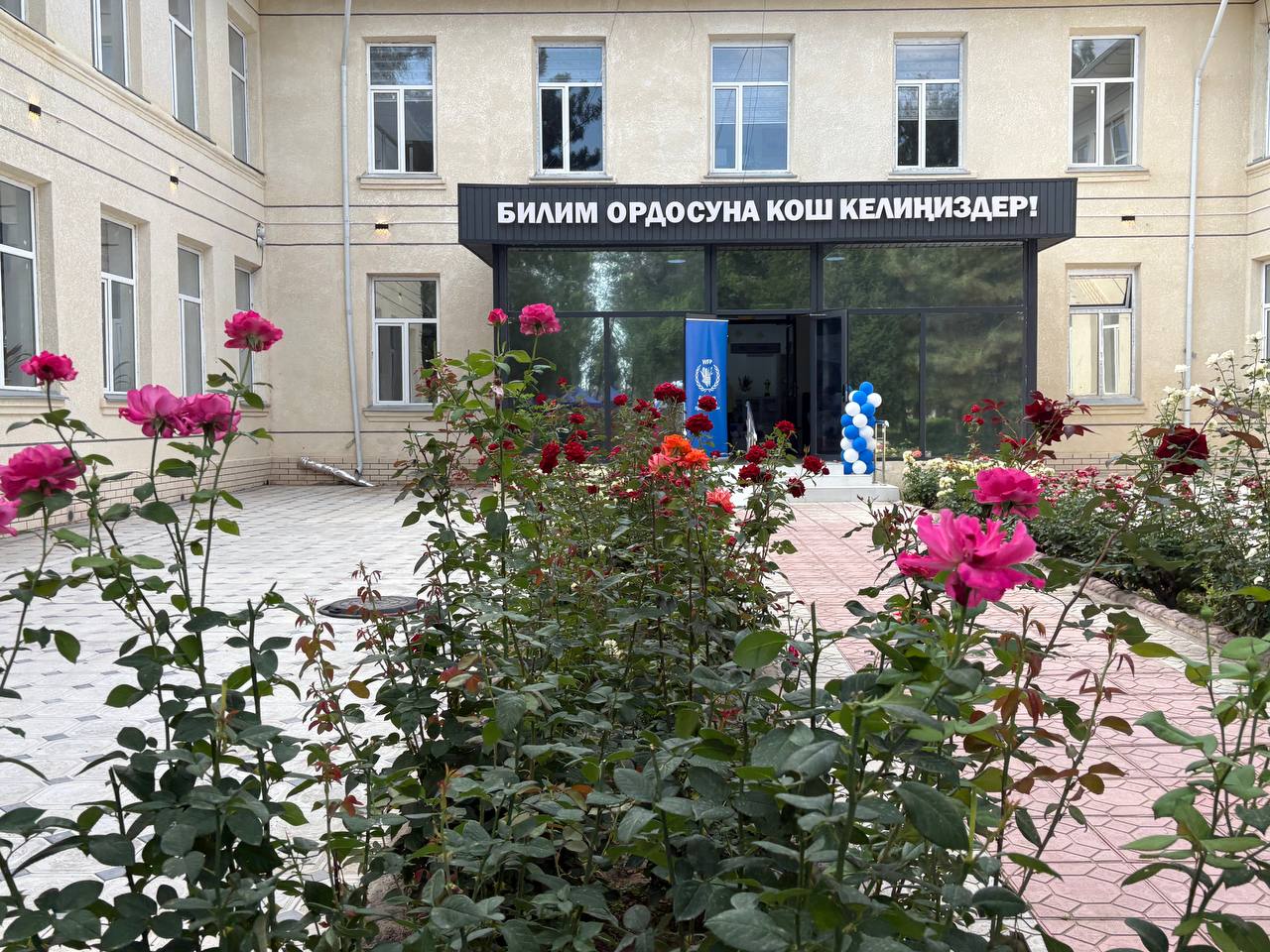
Kojiro Nakai, Country Director of the United Nations World Food Programme in Kyrgyzstan, emphasized that school meals are one of the most effective investments in the country’s development.
According to international studies, every dollar invested in school meals can generate up to twenty dollars in economic returns by improving children’s health, raising education levels, and developing human capital.
He also welcomed Kyrgyzstan’s decision to increase state funding for school meals to 40 KGS per child starting in 2027.
The project implemented at the Chui boarding school is considered a pilot. However, its results already demonstrate a strong potential for scaling up.
The Ministry of Education plans to extend this experience to dozens of educational institutions across the Republic. In the future, similar projects may be implemented in 50 schools in Kyrgyzstan. Some of them will receive modern greenhouses, while others will be equipped with solar power stations.
The story of the Chui boarding school shows that school meals can be much more than simply providing children with hot lunches. They can become a tool for education, vocational training, social support, and sustainable development.
For the boarding school students, this is not just about new buildings and equipment. It is an opportunity to acquire an in‑demand profession, to believe in themselves, and to take a confident step into adult life. Projects like these help transform schools into spaces where children gain not only knowledge, but also real opportunities for the future.