

Published
11/24/2026, 16:50The Asian Development Bank has approved a $20 million financing package to assist the Kyrgyz Republic in constructing the country’s first industrial-scale floating solar photovoltaic power station. The project aims to strengthen energy security, reduce dependence on electricity imports and support the development of a more reliable and sustainable power system.
The ADB’s financing comprises a concessional loan of $19.55 million from its ordinary capital resources and a grant of $450,000 from the Asian Development Fund, which supports the countries most in need in addressing contemporary challenges and laying the foundations for long-term growth. The Government of the Kyrgyz Republic will provide co-financing for the project amounting to $2.02 million.
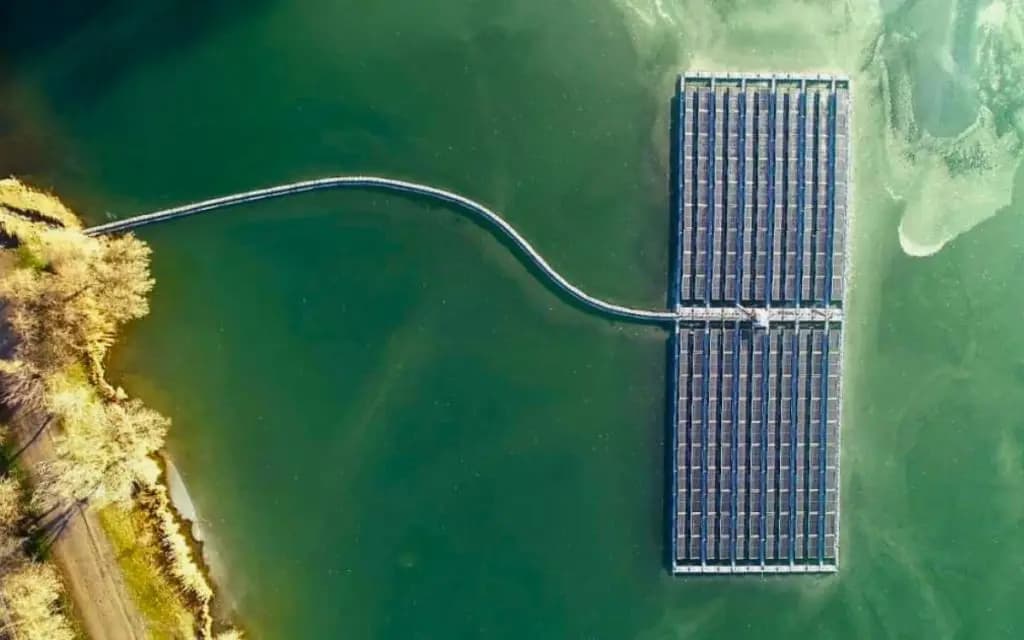
The project involves the construction of a 15-megawatt floating solar photovoltaic power station at the GES-5 site of Chakan HPP OJSC, near Bishkek. Located on an existing reservoir and connected to the existing electricity grid infrastructure, the plant will generate around 20 gigawatt-hours of clean electricity annually and help meet the country’s growing demand for energy resources.
“As the economy of the Kyrgyz Republic grows, so does the need for a reliable and sustainable energy sector,” said Zheng Wu, Country Director of the ADB’s Permanent Mission to the Kyrgyz Republic. “This project will help to diversify domestic energy supply, make more efficient use of available resources and establish a model for future investment in renewable energy sources. It is a clear example of how innovation can strengthen energy security whilst opening up opportunities for private sector participation.”
Hydropower accounts for almost 90 per cent of the country’s electricity generation. Although hydropower stations have provided the country with affordable and clean energy for decades, the rapid growth in demand for electricity and the increasing impact of climate change on water resources are making it increasingly difficult to meet the country’s energy needs throughout the year. Since 2012, electricity consumption has risen by more than 45 per cent, whilst the country has become increasingly reliant on electricity imports, particularly during the winter months.
By introducing industrial-scale floating solar power station technology, the project will add a new domestic source of renewable energy to complement existing hydropower generation.
The project will also modernise the grid infrastructure, strengthen the capacity of Chakan HPP OJSC in the construction and operation of floating solar facilities, and facilitate the sharing of the experience gained with other developing countries in Central and Western Asia. It is expected that the creation of a proven operational model and the dissemination of accumulated knowledge will lower barriers to private-sector participation and contribute to the long-term scaling up of investment in floating solar power across the entire Central and West Asian region.
According to forecasts, the project is expected to reduce greenhouse gas emissions by approximately 4,628 tonnes of carbon dioxide equivalent annually. Furthermore, the project will support technical training and human resource development programmes to expand opportunities for women’s participation in the renewable energy sector.