

Published
04/18/2026, 15:57The initiative to establish joint food reserves for the countries of the Eurasian Economic Union and BRICS is being discussed against the backdrop of growing risks of a global food crisis linked to the conflict in the Middle East and disruptions in fertilizer supplies. This was stated by Alexander Maslennikov, Deputy Secretary of the Russian Security Council.
According to his assessment, if disruptions in fertilizer supplies persist until early summer, this could lead to a halving of the harvest of key grain crops. As a result, inflation could accelerate to its highest levels in recent years, and the number of people facing food shortages could rise to a record 670 million.
The threat of a food crisis is also beginning to emerge in Central Asian countries. For instance, Tajikistan’s President Emomali Rahmon urged the population to stockpile food for two years in advance amid the deteriorating global economic situation.
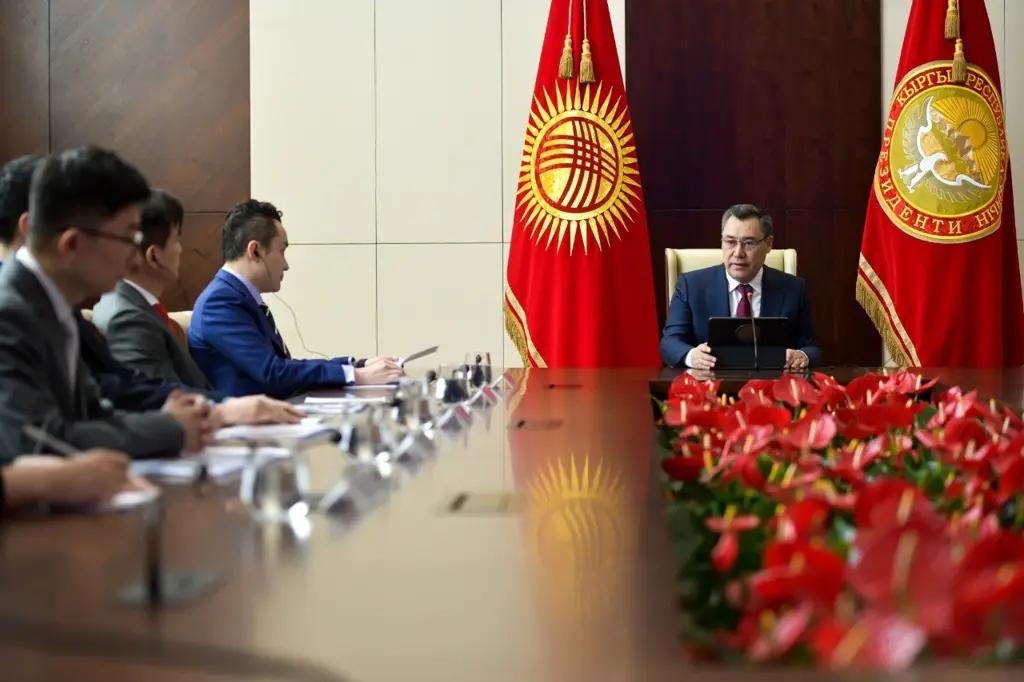
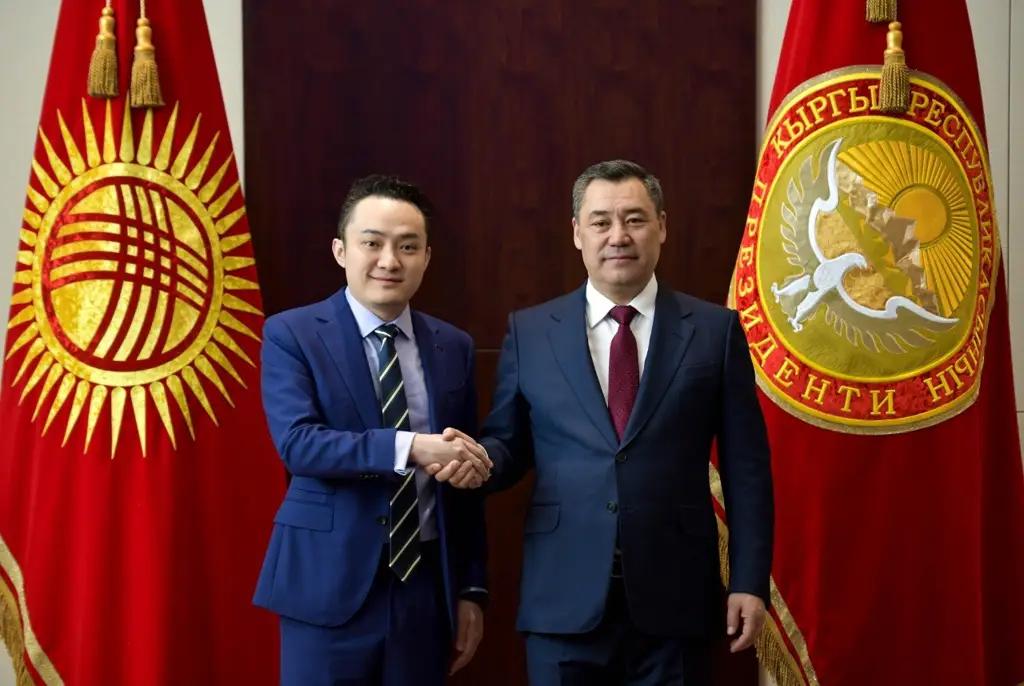
In Kyrgyzstan, disruptions in mineral fertilizer supplies have become a source of pressure on the agricultural sector. At a meeting with residents of the Osh region, President Sadyr Zhaparov stated that fertilizer shortages are already being reported in all regions of the country. Major supplies were previously provided by Russia, Kazakhstan, and Uzbekistan, but logistical disruptions have disrupted the usual supply chains.
In early April, “Akchabar” reported that tensions surrounding the Strait of Hormuz and the redistribution of global fertilizer flows have intensified competition for resources and led to a shortfall in supplies to Kyrgyzstan of approximately 12,000 tons.
Central Asian countries as a whole remain vulnerable to external shocks, as Renat Karamurzov, a professor in the Department of Economics and Economic Geography of Asian and African Countries at the Institute of Asian and African Studies (ISAA) of Moscow State University, explained in an interview with the Russia 24 TV channel. According to him, this is due both to geographical constraints—the lack of access to the sea—and to dependence on imports of food and agricultural resources.
In his assessment, the most vulnerable are economies with lower levels of household income—primarily Kyrgyzstan and Tajikistan.
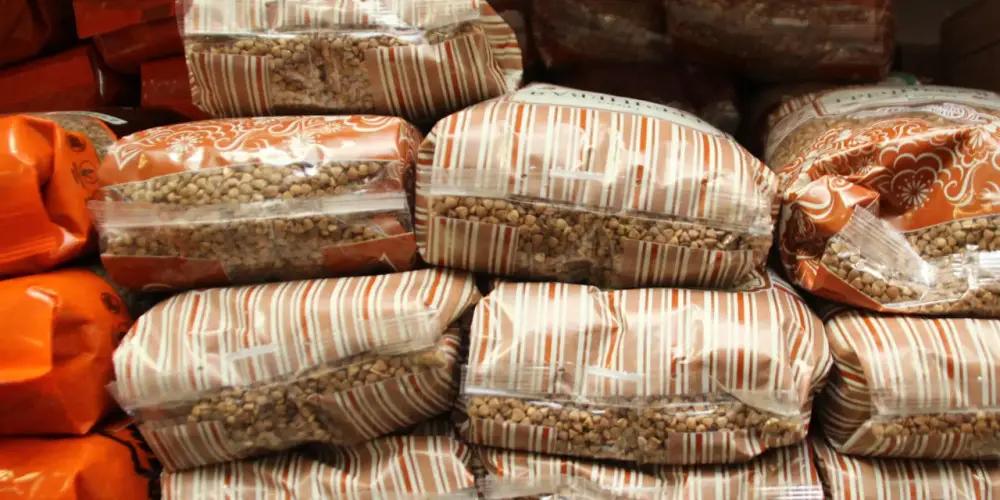
The mechanism proposed by the EAEU and BRICS involves the creation of strategic reserves of basic commodities—grain, flour, vegetable oils, baby food, and canned goods. Such reserves can be used in the event of sudden supply disruptions or price spikes.
Key issues remain the distribution of quotas among countries, contribution levels, and rules for accessing the reserves. At the same time, Renat Karamurzov does not rule out that Central Asian countries not part of the EAEU or BRICS could also join the initiative.
In his view, the creation of a common food fund reflects the declining effectiveness of traditional international mechanisms, such as UN structures, and an attempt by regional associations to develop their own tools for responding to crises.