

Published
03/02/2026, 15:37A seminar entitled ‘Towards a National Electric Mobility Strategy’ was held in Bishkek, organised by the Climate Finance Centre under the Cabinet of Ministers in conjunction with the Ministry of Economy of the Kyrgyz Republic, with the support of the Asian Development Bank.
Esentur Jamalov, Deputy Director of the Climate Finance Centre, emphasised that electric mobility is a tool for improving air quality, strengthening energy security and developing a green economy. Jamie Lezer, Director of the Asian Development Bank, noted that scaling up charging infrastructure requires consistent government policy and partnerships between the state and the private sector.
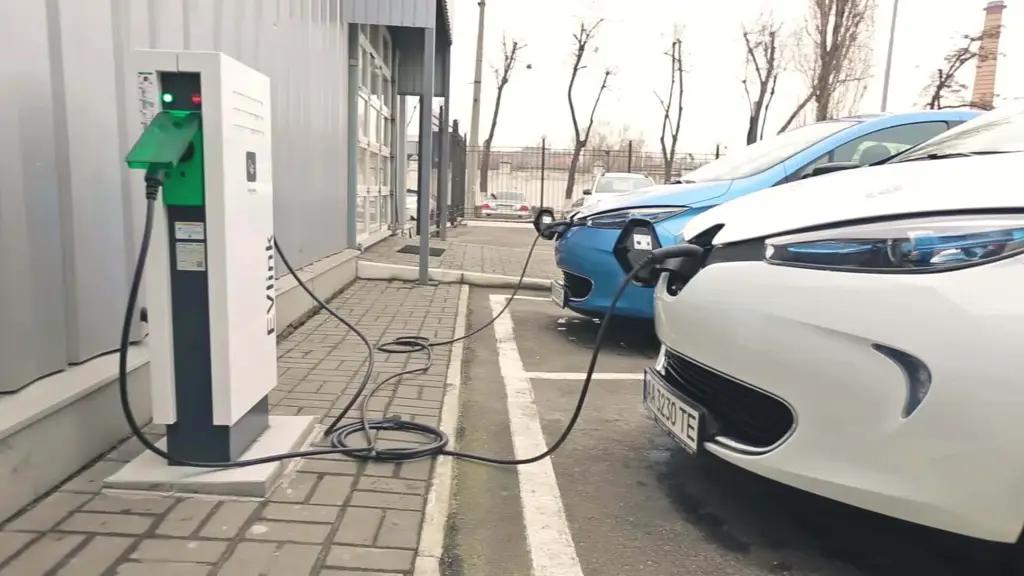
Experts presented the dynamics of the electric vehicle market in Kyrgyzstan: from 5,000 vehicles in 2022, duty-free import quotas reached 10,000 in 2023–2025 and are planned to reach 15,000 by 2026. Today, there are more than 230 charging stations in the country, about 60 of them in Bishkek, but further expansion requires clear institutional coordination and predictable licensing procedures.
During the workshop, key measures were proposed: the creation of a Secretariat for Electric
Mobility, an interdepartmental working group, the introduction of a digital ‘single window’ system, the formation of a national data system, the development of infrastructure through public-private partnerships, and the integration of the charging network with urban and energy planning.
Following the meeting, participants agreed to continue working on a coordinated approach to the development of electromobility, moving from analysis to systematic implementation. Electromobility is seen as part of a comprehensive modernisation of the country aimed at reducing emissions, improving the quality of the urban environment and strengthening the green economy.