

Published
10/21/2026, 16:19Kyrgyzstan intends to radically review its trade and customs policies in order to increase exports of domestic goods and services. The main focus is to be on promoting products to foreign markets, speeding up the handling of freight flows and developing export infrastructure.
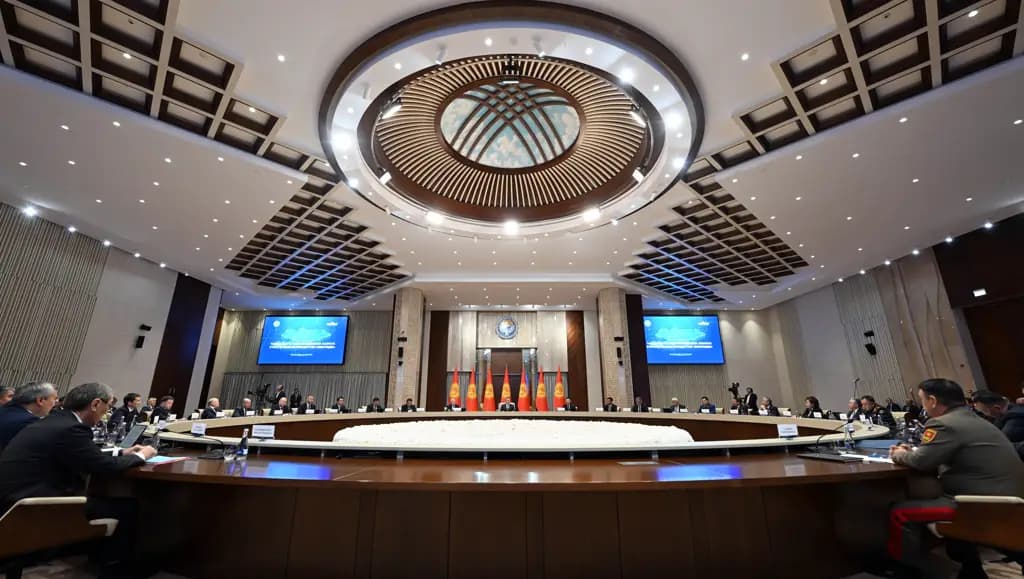
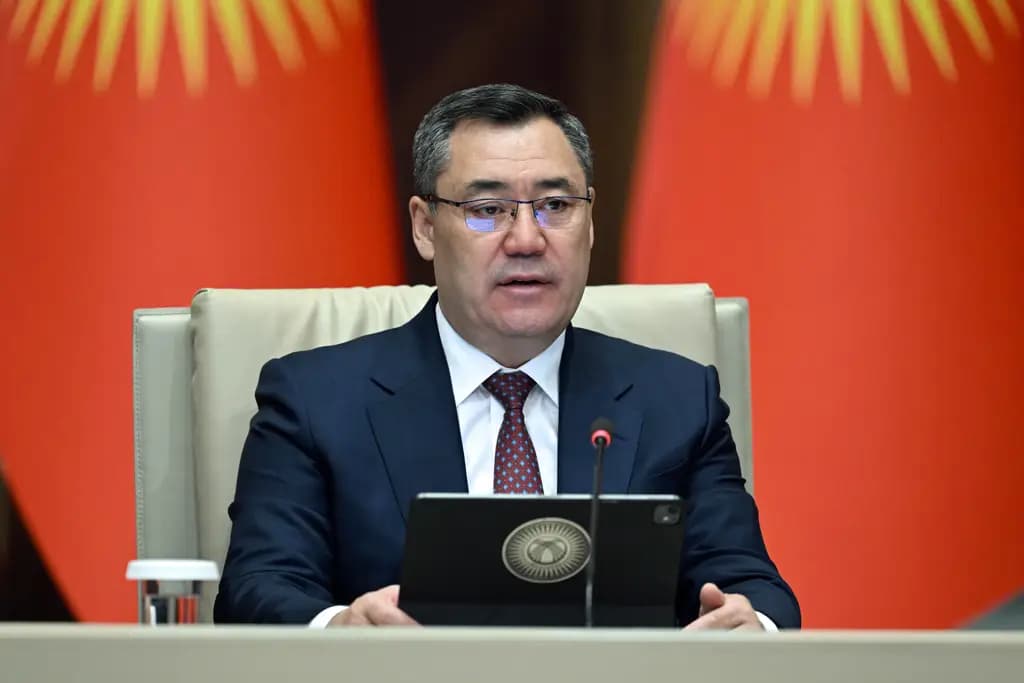
President Sadyr Zhaparov made this announcement on 21 October at a national conference on the country’s socio-economic development.
The Head of State identified an export-oriented service and industrial model as the foundation for economic growth. This model is intended to combine the development of the processing industry, the export of services and modern manufacturing.
One of the priorities will be to expand exports of agricultural produce. According to the President, domestic production should not only supply the domestic market and meet the needs of the food industry, but also actively enter the markets of neighbouring states.
As an example, Zhaparov cited dairy products, which, in his view, should be available on the shelves of shops in neighbouring countries.
To develop exports, the authorities intend to support enterprises that introduce new technologies, boost productivity and increase the proportion of raw materials processed domestically.
At the same time, there are plans to speed up the handling of goods flows and develop Kyrgyzstan’s transport and logistics capabilities. In particular, the speech highlighted the need to integrate the national transport system into international corridors and the markets of other countries.
The export of services will also be an important area of focus. The priority list includes information technology, financial services, international logistics, fintech, tourism, education and healthcare.
For companies operating in foreign markets, there are plans to establish a more favourable tax and regulatory regime, simplify cross-border payments and promote the international recognition of professional qualifications.
The Cabinet of Ministers has been tasked with presenting a model for export-oriented development and modernising trade and customs policy.
Specific changes to customs procedures, the list of export incentives and the timetable for their introduction were not disclosed in the speech.