

Published
04/01/2026, 14:56MP Ulukbek Karybek uulu proposed lifting the ban on the export of Arashan breeding sheep, presenting the initiative at a session of the Jogorku Kenesh on April 1. According to him, the temporary ban on livestock exports in effect since last year limits opportunities for entrepreneurs, despite growing interest in this breed in foreign markets. In this regard, he proposes exploring new opportunities and establishing specific conditions for the export of breeding livestock.
This refers to the Arashan breed, which is viewed not only as a source of meat products but also as a promising export brand with high added value. According to business estimates, if foreign markets are opened, entrepreneurs are ready to pay up to $500 per breeding sheep to the state budget, which could become an additional source of revenue for the state.
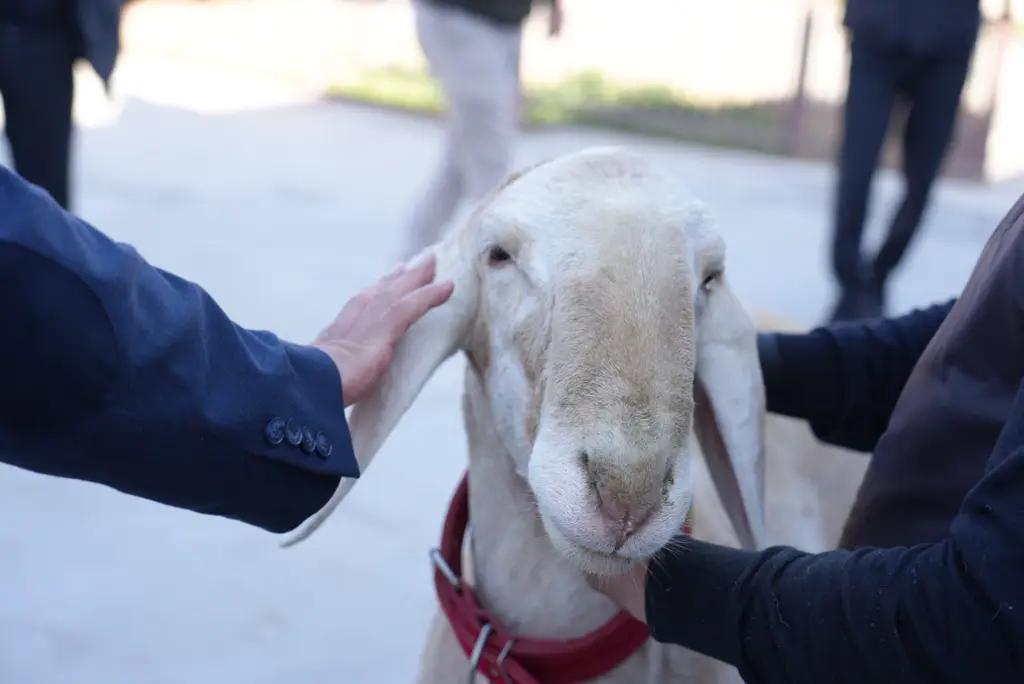
The Arashan breed was developed on Kyrgyz farms by crossing local coarse-wooled sheep with Gissar rams imported from Tajikistan in 1977. Today, it is becoming one of the key areas of development in breeding livestock. This is also confirmed by the government’s attention; Deputy Prime Minister Erlist Akunbekov visited one of the breeding farms in the Chui Region during a working trip.
Farmer Rysbek Mambetkulov, who has been engaged in breeding livestock for over five years, currently keeps about 70 Arashan sheep. The farm is working to improve the genetic qualities of the animals, expanding its infrastructure, constructing new facilities, and increasing its livestock population.
At the same time, the entrepreneurs themselves point to existing restrictions, the main one being the export ban. In their view, current measures do not account for the specific nature of breeding livestock, since the sale of breeding sheep is selective in nature and does not significantly affect domestic meat prices. In this regard, the business community proposes introducing a separate regulatory regime for the export of breeding livestock.
The lack of necessary infrastructure remains an additional barrier. In particular, entrepreneurs highlight the need to establish a modern laboratory for embryo freezing. Despite demand from foreign markets, the export of biomaterial is currently impossible precisely due to technological limitations.
The authorities, in turn, recognize the need for a systematic approach to the sector’s development. According to Erlist Akunbekov, priority measures should include the official registration of breeding farms, the creation of transparent trading mechanisms—including through auctions or exchange platforms—as well as increasing the sector’s overall transparency. He noted that without support for the breeding sector, the development of sheep farming as a whole will be hampered, and improving the gene pool through the Arashan breed could be a significant achievement for the country.

