

Published
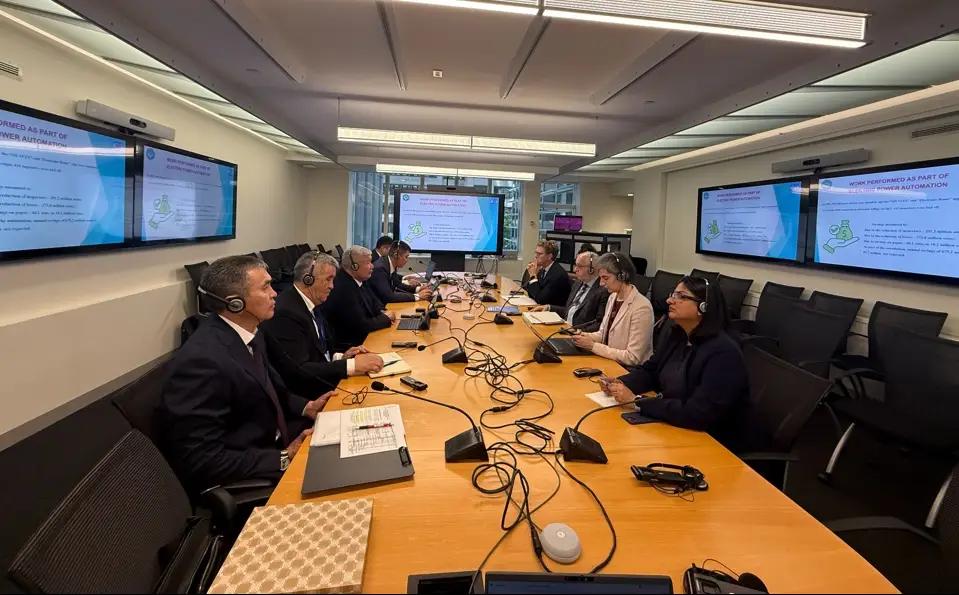
04/16/2026, 09:27The preparatory phase of the Kambar-Ata HPP-1 project is virtually complete, and issues relating to financing and further implementation have been discussed in Washington with the World Bank.
During a working visit, Kyrgyzstan’s Minister of Energy, Taalaibek Ibraev, held talks with Charles Cormier, the Bank’s Regional Director for Infrastructure in Europe and Central Asia. The parties reviewed the current status of the project, including technical, environmental and financial aspects.
According to the ministry, all key preparatory work is scheduled to be completed by the end of April 2026. Following this, the first phase of construction will begin – the excavation of two tunnels, each 800 metres long. Only once these are completed will it be possible to proceed with the construction of the dam and the main hydraulic structures.
The project’s feasibility study has already been finalised. The next step will be the parallel construction of the tunnels, with coordination of all worksites, which will help to reduce the project’s implementation timeframe.
The World Bank has noted the project’s high level of readiness and confirmed its interest in its prompt launch. The Kambar-Ata HPP-1 is regarded as a significant infrastructure project with long-term economic returns and a contribution to the development of ‘green’ energy.
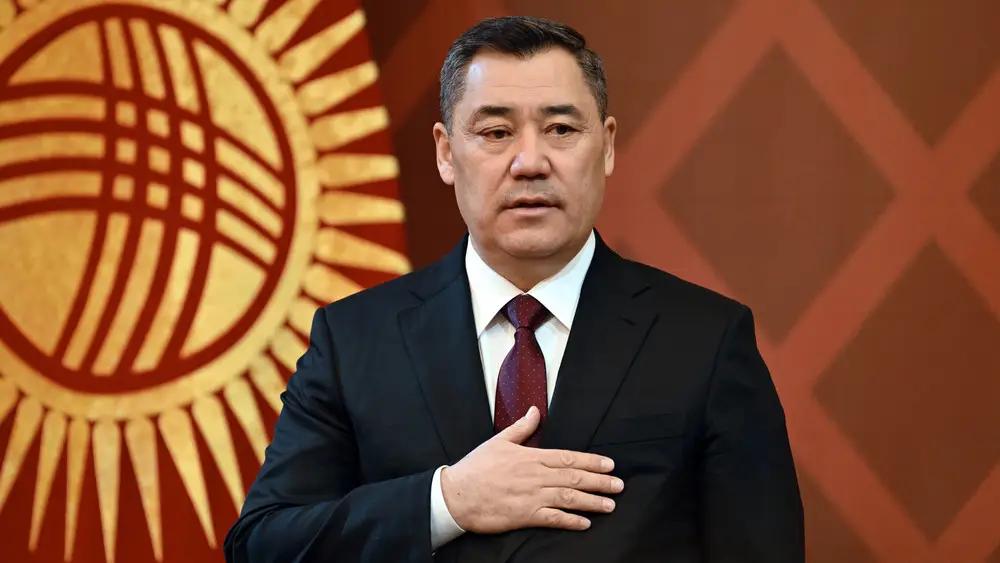
The project is being implemented on the initiative of President Sadyr Japarov and is of strategic importance for Kyrgyzstan and the region as a whole. In recent years, the necessary infrastructure, including roads, tunnels, a bridge and power supply facilities, has been built using state budget funds.
The plant is expected to have a capacity of 1,860 MW, making it the largest hydropower facility in the country. The implementation of the project will strengthen energy security, meet domestic demand for electricity and expand export potential.
The Kambar-Ata HPP-1 is also seen as a factor in strengthening regional cooperation in Central Asia, including water resource management and ensuring energy and food security.