

Published
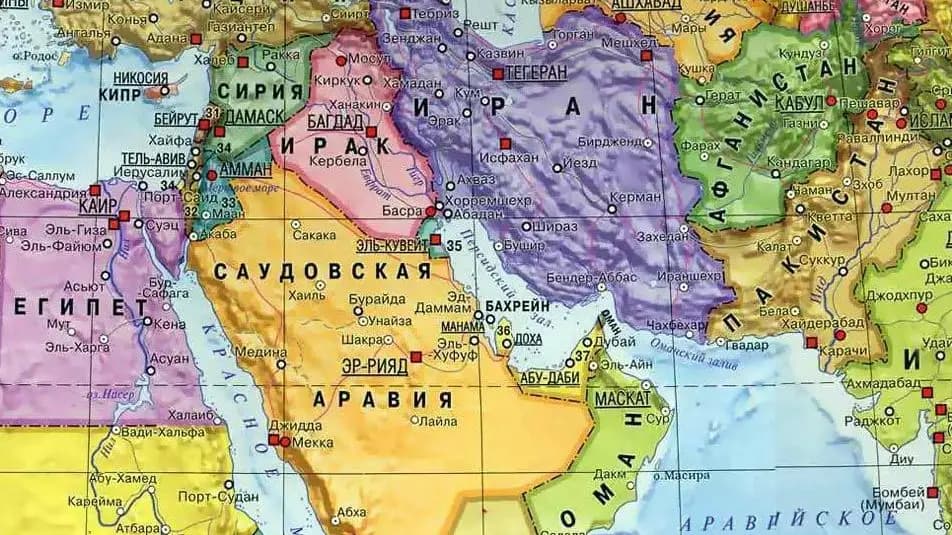
11/12/2026, 16:48Trade turnover between Central Asia and the Gulf states has increased almost fourfold over the past five years — from $1 billion in 2020 to $3.9 billion in 2025. By 2030, the additional trade potential is estimated at a further $4.9 billion. This was reported by the Eurasian Economic Bank (EABR).
The share of the Gulf states in Central Asia’s foreign trade increased from 0.7 per cent to 1.7 per cent over this period.
One of the opportunities for further growth is the Economic Partnership Agreement between the EAEU and the UAE, which came into force on 6 October 2026. It provides for the elimination or reduction of duties on more than 85 per cent of the range of goods.
This opens up further opportunities for the export of agricultural and food products, petroleum products, metals, machinery and equipment from Kyrgyzstan and Kazakhstan.
However, trade development is hampered by high transport costs, complex delivery routes, a lack of warehousing infrastructure and limited access to trade finance.
Against the backdrop of expanding trade links, in October 2026, the UAE-based company DP World began construction of a major dry port in the Tashkent area. It will include Class A warehouses and container yards with a throughput capacity of 150,000 containers per year.