

Published
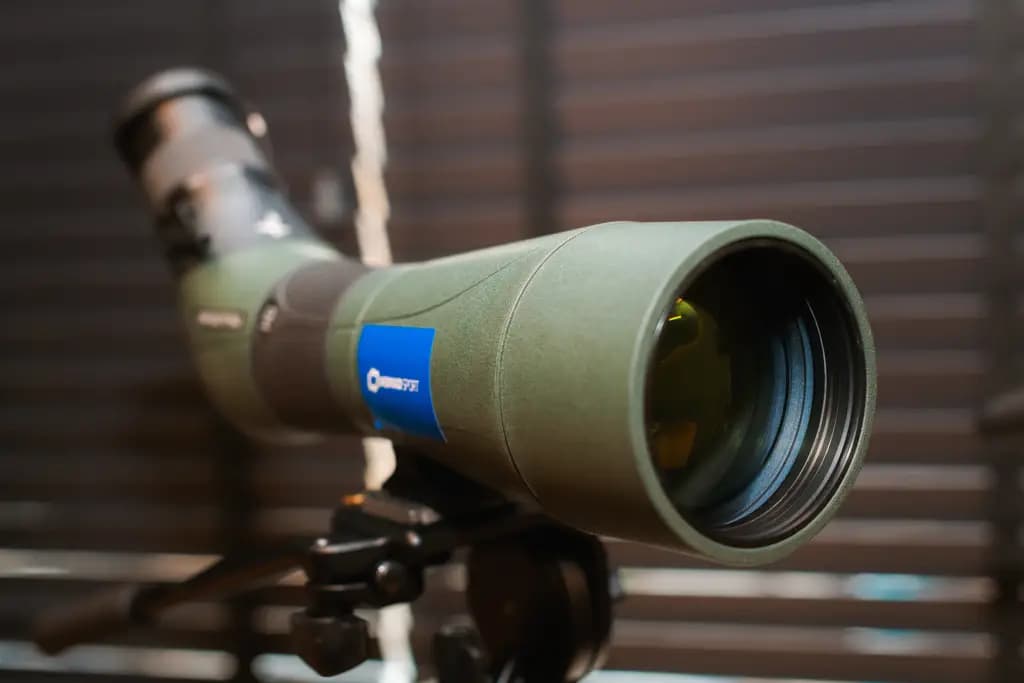
11/18/2026, 14:44Three sets of professional spotting scopes have been handed over in Kyrgyzstan to monitor snow leopards and their food sources. The equipment was received by the ‘Ilbirs Foundation’, a public foundation.
The handover took place today, 18 November, in Bishkek. The sets included binoculars, eyepieces, protective cases, tripods and video heads.
The equipment was purchased using funds raised through a charity run in which around 5,500 people took part. A portion of the participants’ registration fees is allocated annually to support nature conservation initiatives.
According to the organisers, they consulted with specialist organisations, environmental foundations and the administrations of nature parks and nature reserves when selecting the equipment. Following these discussions, gamekeeping services identified a need for optical equipment to observe animals over long distances.
According to Zairbek Kubanychbekov, director of the ‘Ilbirs Foundation’ charitable organisation, spotting scopes are essential for monitoring wildlife, including the snow leopard and its prey – argali, ibex, roe deer, maral and other species. The use of optical equipment allows animals to be observed from a distance without disturbing them.
Three sets are planned to be distributed amongst nature reserves located within the snow leopard’s range. The final decision will be taken by the foundation in conjunction with the Ministry of Natural Resources, Ecology and Technical Supervision. Among the areas under preliminary consideration are the Besh-Aral, Kan-Achuu and Kulun-Ata nature reserves.
According to research conducted between 2021 and 2024, the population of adult snow leopards in Kyrgyzstan is estimated at 300–360 individuals. According to government data, the total population, including cubs, is around 500 individuals.
The organisers reported that, over the seven years the Bishkek Snow Leopard Run has been held, more than 6.9 million KGS have been raised for nature conservation and charitable causes. In previous years, the funds raised were used to purchase camera traps, an off-road vehicle for the Ministry of Natural Resources, and equipment for gamekeepers.
Around 6,000 people took part in the 2026 race, raising approximately 1.2 million KGS. These funds are earmarked for the purchase of field equipment for gamekeepers, including sets of horse saddles and all-season tents.