

Published
03/18/2026, 10:45The Kyrgyz Cabinet of Ministers has approved a procedure for the sale of precious metals to domestic jewelry manufacturers. The resolution was signed by Cabinet Chairman Adylbek Kasymaliev. The document establishes a new mechanism for supplying the industry with raw materials—linked to global gold and silver prices and offering a price discount.
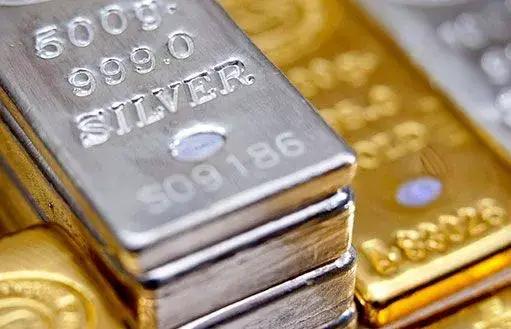
Under the approved procedure, precious metals from the State Fund will be sold to jewelers at a 2% discount from the London Bullion Market Association (LBMA) fixing. Payments will be made in KGS at the National Bank’s exchange rate on the day before the transaction.
In effect, the government is introducing a mechanism for partially subsidizing raw materials for domestic processing while maintaining a market link to international prices.
The decision was made against the backdrop of persistently high global gold prices. In recent years, gold prices have remained near historic highs due to:
For gold-producing countries, including Kyrgyzstan, this means an increase in export revenue. However, for the processing industry, high prices are putting pressure on margins. The new regulations are designed to mitigate this effect.
Metals will be supplied to legal entities and individual entrepreneurs who are registered for special tax purposes and possess production facilities. Producers are required to:
The monthly supply volume is limited to 5 kilograms per manufacturer, and the total limit may reach 50 kilograms. This should prevent the accumulation of inventories and encourage the prompt processing of metal into finished products.
The procedure provides for the possibility of purchasing metal with a payment deferral of up to 180 days upon provision of a bank guarantee. The Ministry of Finance has been tasked with allocating funds in the budget for the purchase of raw materials for the State Fund, from which they will be sold to manufacturers.
Thus, the state effectively assumes the role of an operator providing raw material support to the industry, utilizing budgetary mechanisms and the right of first refusal for the purchase of precious metals.
The new mechanism could lead to an increase in domestic gold and silver processing, a rise in jewelry exports, a reduction in the share of the “gray” market for precious metals, and the establishment of a more transparent raw material accounting system.