

Published
07/15/2026, 17:47For a long time, culture in Kyrgyzstan was primarily perceived as a social sphere requiring budgetary support. A significant share of government spending was directed toward maintaining cultural institutions, repairing buildings, purchasing equipment, and paying salaries. However, culture can be not only a recipient of budget funds but also a driver of economic activity — through the development of tourism, creative industries, hosting international events, and increasing the own revenues of cultural institutions.
Theaters, concert venues, music schools, universities of culture and international cultural events are becoming part of a broader economic system, where a single invested som can generate additional demand across several sectors at once.
The state continues to invest significant funds in the sector.
Recently, within the framework of the "Open Cabinet" project, Minister of Culture, Information and Youth Policy Mirbek Mambetaliev shared the first results of such investments.
If by the end of 2024 Kyrgyzstan’s cultural institutions had earned about 77 million KGS from concerts and performances, then in 2025 this amount increased to 107 million KGS. In just the first half of 2026, revenues reached around 60 million KGS.
Changing the role of culture is impossible without investment in infrastructure.
In recent years, funding for the sector has grown significantly. While about 3 billion KGS were allocated to culture in 2023, by the end of 2025 the amount exceeded 7 billion KGS. In 2026, taking into account salary increases for workers in the field, the volume reached 10 billion KGS.
These funds are directed not only toward current expenses but also toward the construction of new facilities, the modernization of equipment, and the improvement of cultural services.
The economic effect of such investments lies in the fact that they create the foundation for the development of an entire ecosystem.
The new university building requires construction work, equipment, and furniture purchases. After renovation, the theater can host more events. A modern concert venue can attract higher‑level performers. And international festivals generate demand for hotels, transportation, and services.
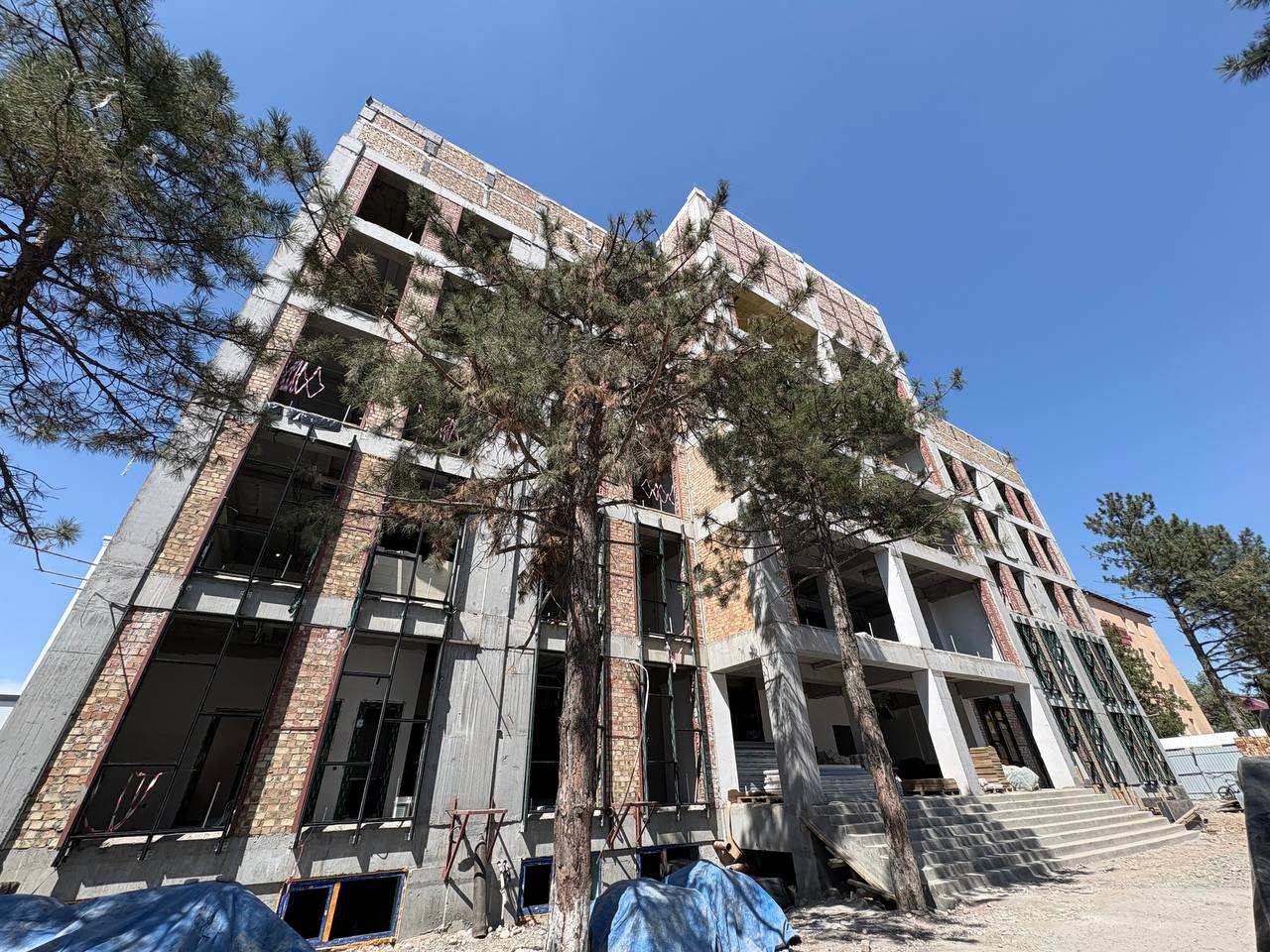
One of the largest projects has been the construction of a new building for the Kyrgyz State University of Culture and Arts named after Bubusara Beishenalieva.
980 million KGS have been allocated from the Presidential Fund for the implementation of the project.
The five‑story building, with an area of more than 8,500 square meters, will serve as the new campus of the university. The facility is scheduled to be commissioned at the end of August 2026.
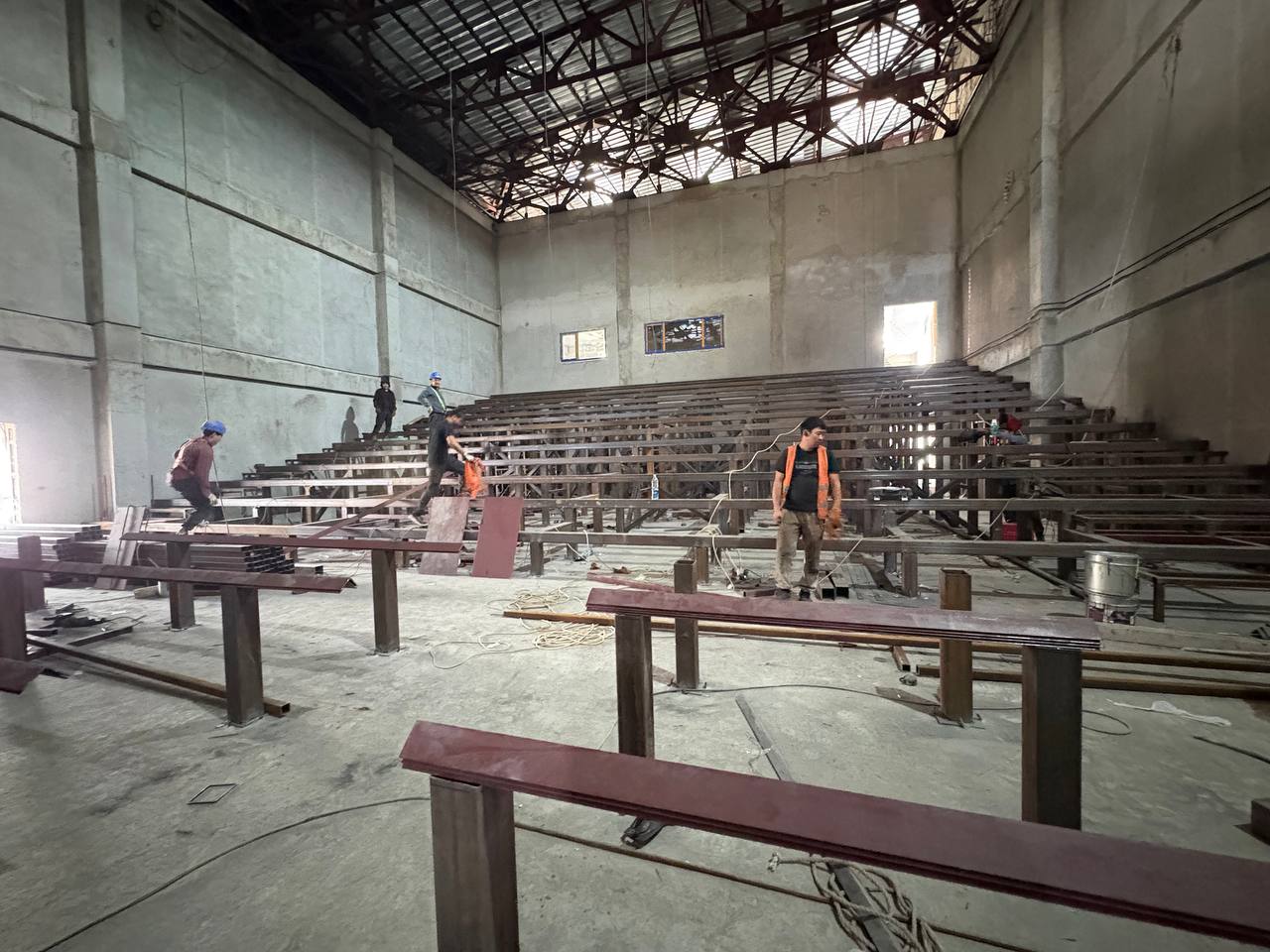
Today, the university’s students are based in a former dormitory building, which no longer meets modern standards.
“The construction of the new building is driven by the shortage of educational space. Each year, about 300 students enroll, and the previous facility could no longer cope with the load,” — said Minister of Culture Mirbek Mambetaliev.
After completion, the building will be equipped with modern furniture, equipment, and the necessary inventory.
But the economic value of such a project lies not only in square meters.
The university trains specialists who then shape the labor market of the entire cultural sector: actors, musicians, teachers, and professionals for museums, theaters, and other institutions.
In addition, the university cooperates with the National Academy of Sciences in training research personnel and admits students from Kazakhstan and Uzbekistan.
Another indicator of the changing approach to culture is the modernization of the material and technical base.
A new Steinway & Sons grand piano — an instrument from one of the world’s most renowned manufacturers — has appeared at the Kyrgyz National Academic Opera and Ballet Theater. Its cost is about 25 million KGS.
For the theater, this has been an event awaited for more than ten years.
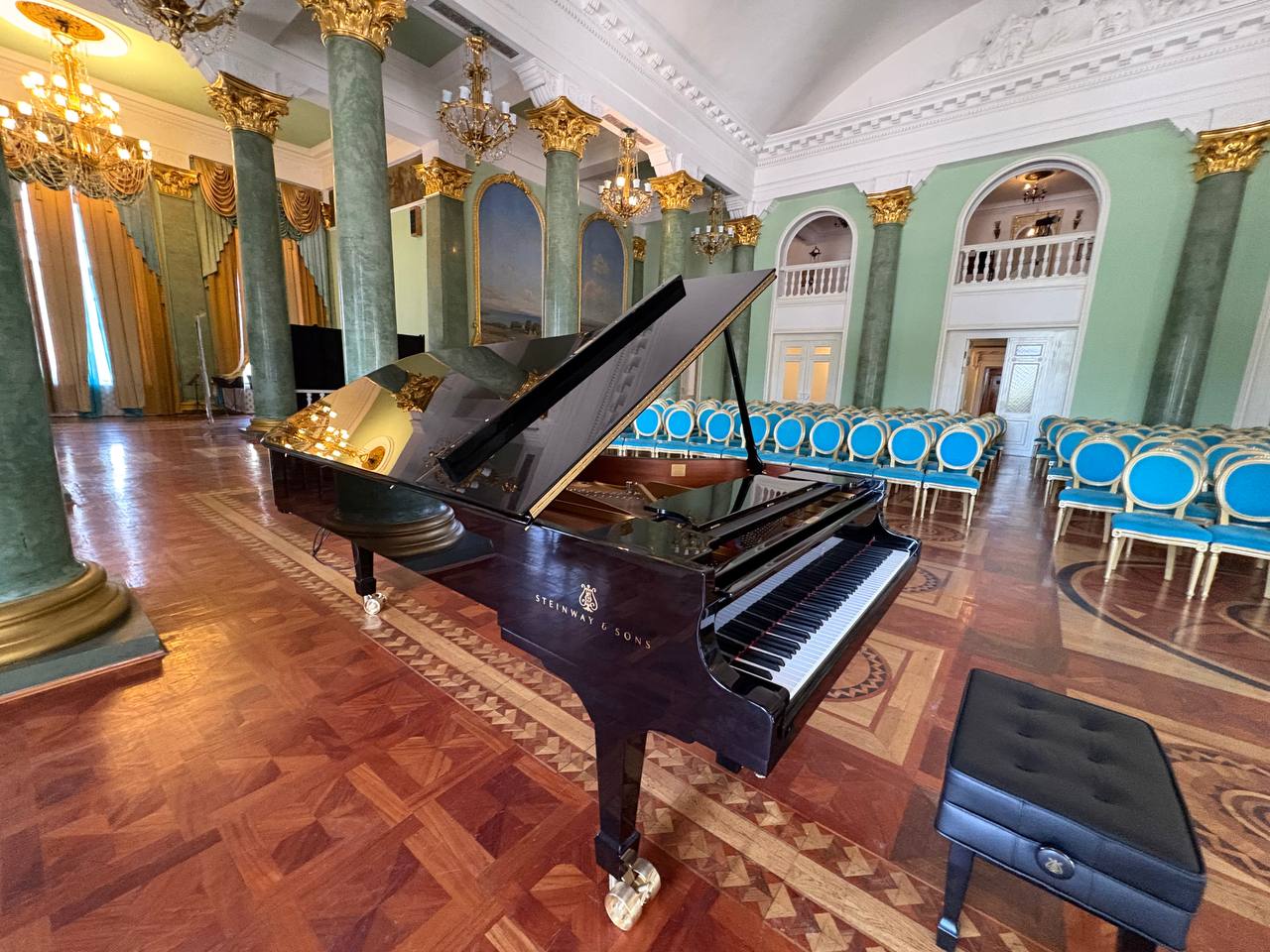
The instrument was installed in the Malachite Hall of the theater, which is considered a salon venue. Concerts of vocalists, quartets, and trios are held here. The theater notes that performing before the audience on such an instrument is a great honor.
The Kyrgyz Drama Theater is also developing in this direction, and this year it celebrates its 100th anniversary.
After modernization, the sound and lighting equipment here was upgraded. The Ministry of Culture allocated about 30 million KGS for these purposes.
One of the most striking examples of how culture can influence the economy will be the 6th World Nomad Games, which Kyrgyzstan will host from August 31 to September 6, 2026.
Although the Games have a sporting component, they are essentially a large‑scale cultural project that presents history, traditions, and heritage to an international audience.
For the economy, such events generate effects in several directions. First, they drive infrastructure development. Second, the influx of visitors impacts hotels, restaurants, transport companies, souvenir producers, and small businesses. Third, they promote Kyrgyzstan as a tourist destination.
As part of the preparations, an ethno village is being built on the Kyrchyn jailoo. A new stage, stands, and essential engineering infrastructure — including water supply, sewage, and treatment facilities — are being constructed there.
More than 100 toilets will be installed for guests, including facilities for people with disabilities.
For the kok-boru competitions at the hippodrome in Cholpon-Ata, the Ministry of Culture is purchasing mobile stands with nearly 10,000 seats.

The contract value amounts to 104 million KGS, including delivery and customs clearance.
However, these expenses are intended not only for a single event. After the Nomad Games conclude, the structures will be used for other mass events and concerts across the country.
Thus, the facility is transformed from a one‑time purchase into a long‑term asset.
Another important change will be the digitalization of the cultural sector.
The Ministry of Culture plans to launch a pilot project of a unified electronic ticketing system as early as September this year. Full implementation of the system is scheduled for December.
The pilot launch will be timed to coincide with the 6th World Nomad Games.
The system will integrate state cultural institutions and operate through integration with the national "Tunduk" system.
“Any citizen will be able to purchase a ticket for a concert, play, museum, or library without leaving home. Tickets can also be bought for parents and children,” — noted Mirbek Mambetaliev.
The main economic effect of digitalization is cost reduction.
Currently, when using private ticketing services, the commission reaches 10–12% of the ticket price. After switching to the state system, costs will decrease to 1–3%, including bank fees.
In addition, the digital system will enable better analysis of event attendance and the efficiency of cultural institutions.
The approach of viewing culture not as a budget expenditure but as a source of economic growth has long been applied in many countries.
One of the most prominent examples is South Korea. For several decades, the government has systematically invested in music, cinema, television, and modern culture. Today, K-pop, Korean dramas, and films have become global brands that generate not only revenue from content sales but also stimulate tourism, exports of cosmetics, clothing, and food products. Economists call this the "soft power" effect, when cultural products become tools for promoting the economy.
Another example is France, where museums and historical heritage are part of the tourism industry. Millions of people visit the country each year not only for leisure but also for art. Government revenue comes not only from ticket sales. Each visitor pays for flights, accommodation, food, local transport, excursions, and shopping. As a result, investments in culture become investments in the tourism sector.
Italy operates on a similar principle, where architectural heritage, museums, and cultural festivals provide employment for thousands of people — from tour guides and restaurateurs to hotel owners and artisan workshops.
In the United Kingdom, culture has already become part of the creative economy. In addition to theaters, museums, and concert venues, it encompasses film, music, design, advertising, architecture, and video games. This sector provides jobs for millions of people and contributes tens of billions of pounds to the economy annually.
Kyrgyzstan has its own unique cultural product found nowhere else in the world. The country is capable of promoting nomadic culture, the epic "Manas," traditional music, national crafts, and the World Nomad Games.