

Published
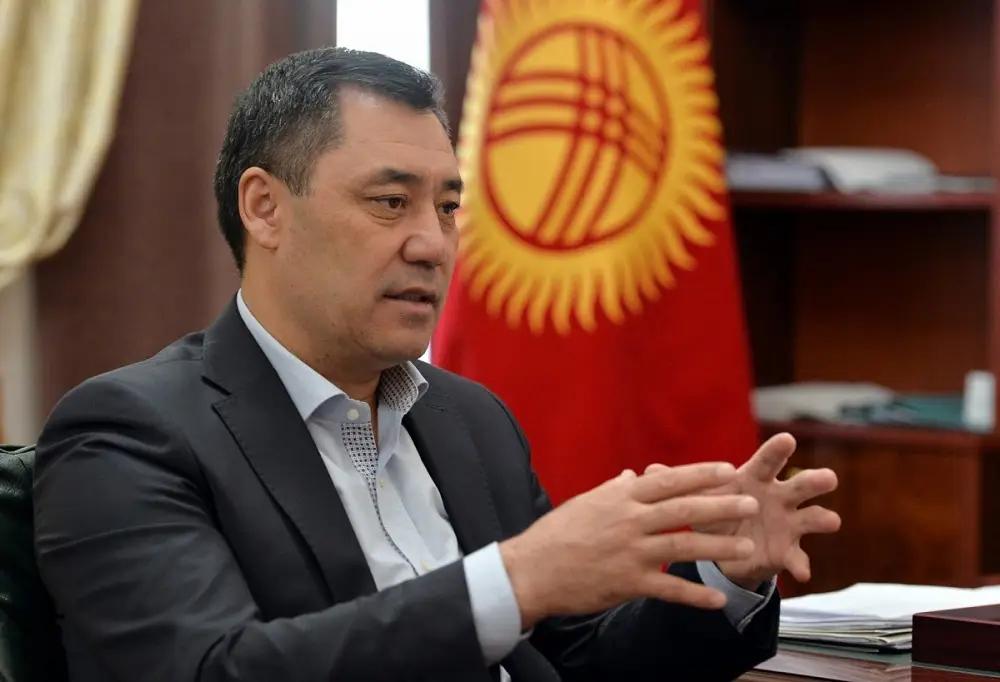
03/22/2026, 08:14During a working visit to the Naryn Region, President Sadyr Zhaparov identified the development of irrigation as a key priority for the growth of the agricultural sector and the assurance of food security.
According to Nurbek Satarov, the Head of State’s authorised representative, a number of major projects aimed at expanding irrigated land are currently being implemented in the region. In particular, construction is underway on the ‘Tugol-Sai’ reservoir in the Jumgal district and the ‘Shamshy’ reservoir in the Kochkor district, as well as the ‘Kulanak’ canal in the Naryn district. It is expected that their commissioning will significantly increase the area under irrigation and improve the efficiency of agriculture.
The President emphasised the need for a systematic approach to the development of irrigation infrastructure and instructed that all projects currently underway be completed on time. According to him, access to water remains one of the key factors for the sustainable development of the agricultural sector.
At the same time, work is continuing in the region to improve the water supply to the population. The coverage rate for clean drinking water already exceeds 85 per cent, serving dozens of settlements.
Construction activity in the region remains high. By the end of last year, 15 facilities had been commissioned, including six schools, a sports hall and eight enterprises. Construction is currently underway on 46 facilities.
In addition, investment projects are being implemented in the energy sector, including the construction of hydroelectric power stations, as well as solar and wind power plants, aimed at developing the region’s energy potential and creating jobs.
The Head of State also instructed that facilities with lengthy construction periods be completed within two years and that road infrastructure plans be implemented at a level no lower than last year’s figures, whilst adhering to deadlines and quality standards.