

Published
08/24/2026, 11:25A draft plan has been drawn up in Kyrgyzstan to stabilise prices for goods and services in 2026–2027. It is planned to allocate 36,635 million KGS to the measures set out in the plan.
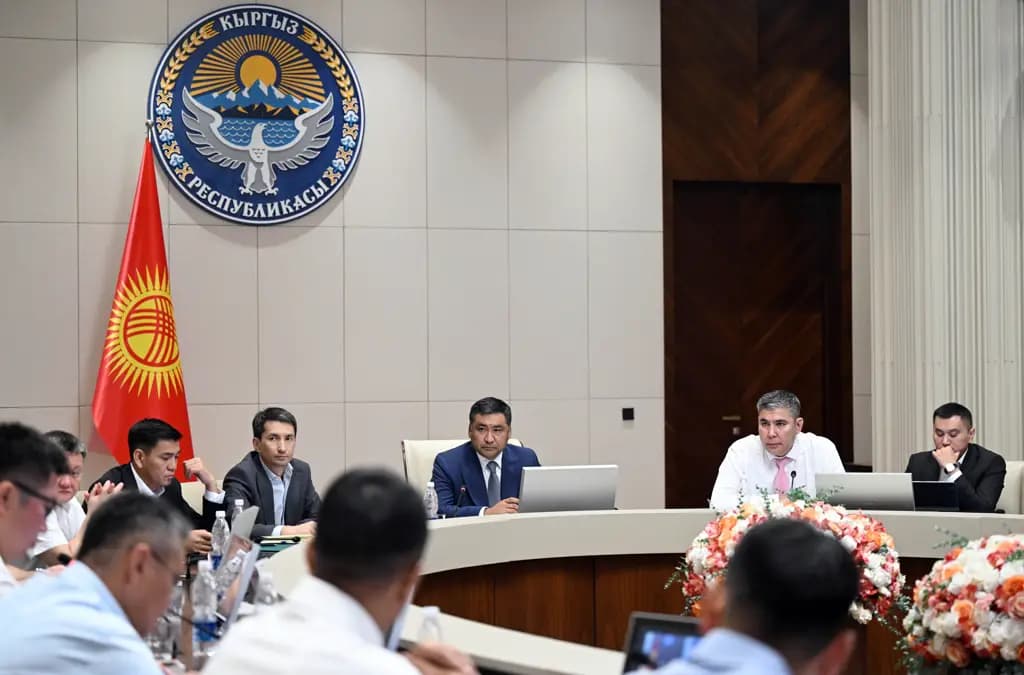
The draft document was considered at a meeting chaired by the First Deputy Prime Minister, Daniyar Amangeldiev, and submitted for approval.
The plan is intended to help keep inflation at 7 per cent – within the target range agreed with the National Bank. The main focus will be on ensuring the affordability of socially essential goods, developing domestic production and strengthening food security.
To put this into context, inflation stood at 11.5 per cent in July 2026 compared with July 2025.
One of the key measures will be to increase the herd of productive livestock by at least 20,000 head. At the same time, the state authorities intend to tighten control over price formation and prevent unjustified price rises for meat.
It is planned to support enterprises in the agro-industrial complex and the oilseed sector with preferential loans. Subsidies are envisaged for the dairy sector and poultry farming.
Modern warehouses with a total capacity of 18,000 tonnes are to be built in all seven regions of the country. This should improve the storage of agricultural produce, reduce wastage and increase the volume of goods available during the off-season.
In addition, the authorities plan to ensure wheat supplies in the volume necessary to fully meet the country’s domestic needs. A further 20,000 tonnes of grain are expected to be purchased from domestic farmers to replenish state reserves and carry out market interventions.
It is planned to supply farms with 68,000 tonnes of seed, as well as the necessary quantities of mineral fertilisers.
To reduce trade mark-ups, the authorities intend to develop direct supplies of agricultural produce and expand the network of retail outlets operating without intermediaries.
Daniyar Amangeldiev stated that the implementation of the plan will be subject to close monitoring. Heads of state bodies will bear personal responsibility for the timely and high-quality fulfilment of the tasks set.