

Published
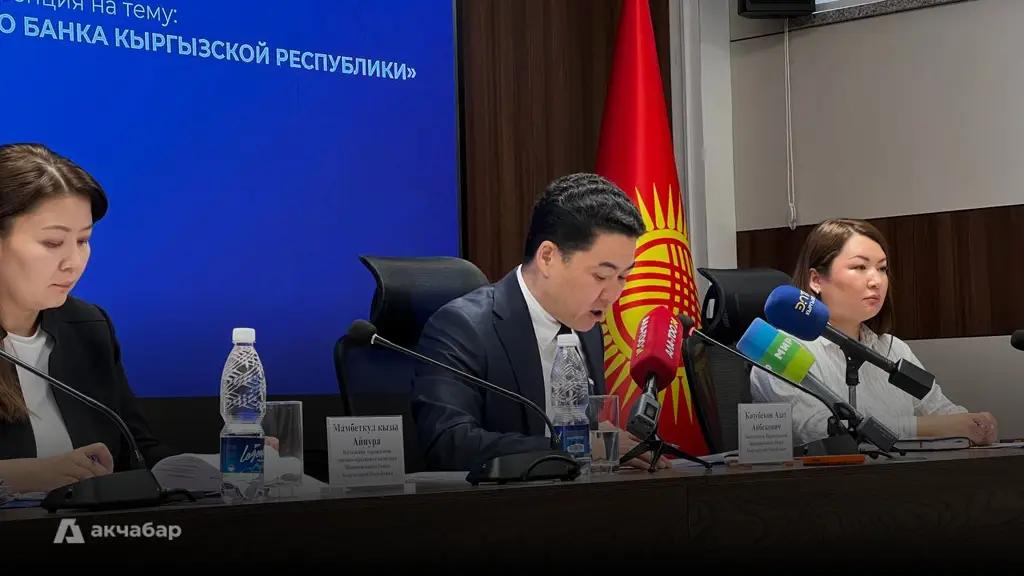
04/28/2026, 10:31The National Bank of the Kyrgyz Republic has kept the discount rate at 12%. The decision was made on April 27 and takes effect on April 28, 2026.
The key factor is external inflation. Against the backdrop of the escalating situation in the Middle East, global prices for food and raw materials have risen. Grain, vegetable oils, and energy sources are becoming more expensive. This directly affects Kyrgyzstan through imports. Additional pressure is created by inflationary trends in the country’s major trading partners, as well as higher logistics costs due to changes in supply chains.
Domestically, inflation remains at a noticeable level. Since the beginning of the year, it has reached 3.9%, or 11.3% year-over-year. Prices for services are rising the fastest—17.2%. Food prices have increased by 10.8%, and non-food prices by 9.2%.
At the same time, the economy is demonstrating strong growth. In January–March, GDP increased by 10.1%. Growth is being driven by the services sector, industry, and construction. Consumer demand remains robust due to rising wages and remittances.
Under these conditions, the regulator sees no room for policy easing. Tight monetary conditions remain in place to curb inflation and bring it back to the target range of 5–7% in the medium term.
The National Bank emphasizes that further decisions will depend on external conditions, primarily on global market prices and developments in the Middle East. Should inflationary risks intensify, the regulator is prepared to respond promptly.
The next rate-setting meeting is scheduled for May 25, 2026.