

Published
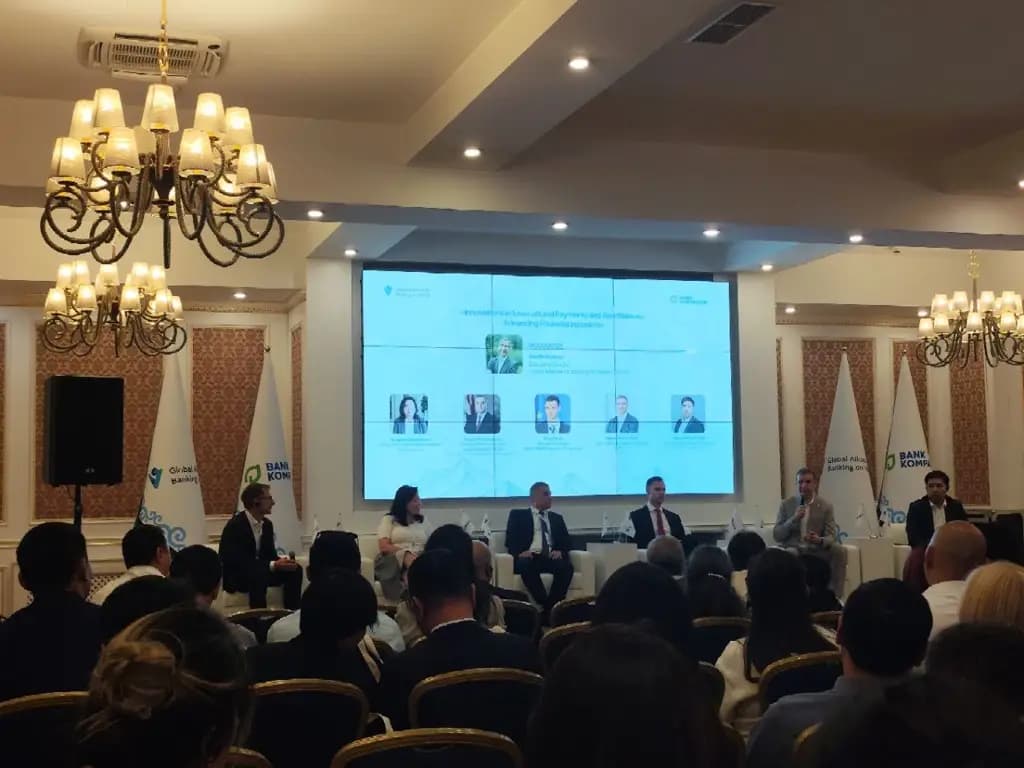
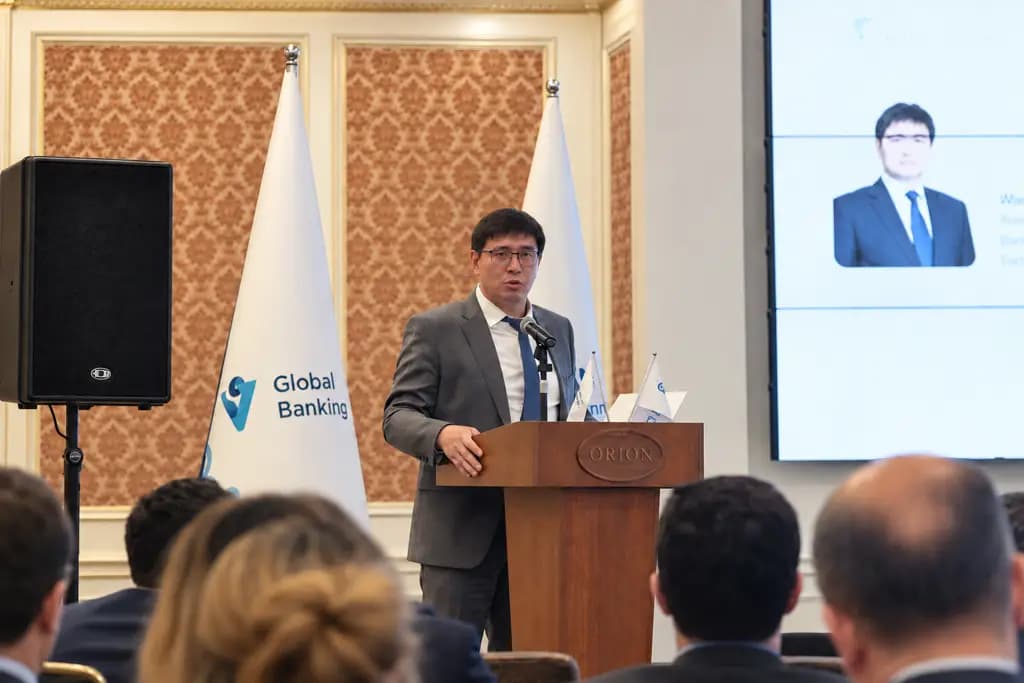
09/16/2026, 16:58The development of cross-border payments and improving access to international settlements remain among the key priorities for Kyrgyzstan’s financial sector. This was stated by Medet Tairov, Deputy Chairman of the National Bank of the Kyrgyz Republic.
According to him, the country’s domestic payment infrastructure is developing at a rapid pace. In particular, the use of QR payments is expanding, and fees for certain types of non-cash transactions have been abolished.
“Our payment services are very well developed, and the use of QR payments is growing at a tremendous rate. In principle, all types of payments are developing,” noted Tairov.
The next stage should be the improvement of cross-border settlements. Growth in foreign trade is driving up demand for fast and affordable international payments, yet carrying them out still involves additional complications.
“The ‘last mile’ remains a problem. Users are already familiar with modern payment services, but additional barriers arise when carrying out cross-border transactions,” explained the Deputy Governor of the National Bank.
Tairiv paid particular attention to the interaction between Kyrgyz banks and their foreign partners. According to him, financial institutions need to take account of changes in the international market and assess potential counterparties more carefully.
“The selection of partners must be approached very carefully and attentively,” he emphasised.
The Deputy Chairman of the National Bank of the Kyrgyz Republic also noted the growing role of fintech companies providing payment solutions to businesses and their customers. In his view, the further development of cross-border payments will require collaboration between banks, fintech companies and other market participants.
As digital financial services become more widespread, the risks of fraud are increasing.
“The most pressing problem of our time is fraud,” said Tairov.
The strategic goal of the market, he said, should be to create a payment environment in which a customer’s place of residence does not limit their access to financial services.