

Published
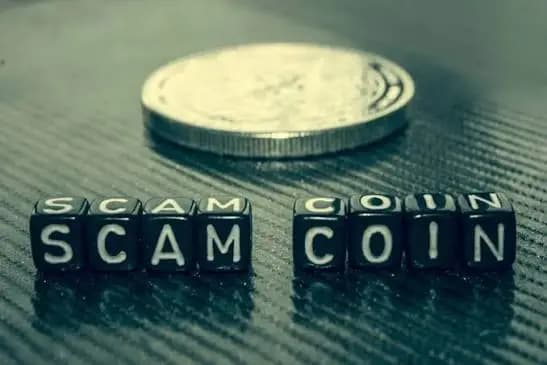
09/29/2026, 14:45Fraudsters have learnt to create tokens that look similar to well-known cryptocurrencies. A familiar name, logo and value in dollars may appear in your wallet. But in reality, it will be a different asset — one that cannot be sold or exchanged at the stated price.
This scheme is used when paying for goods, services, accounts and digital assets. The seller sees the tokens credited to their account, delivers the goods, and later realises that they have not received genuine USDT or BNB, but a copy.
The fraudster issues a token with the name and ticker of a well-known cryptocurrency. They then add a small amount of liquidity to the trading pool. This allows the asset to be bought or sold, and the wallet may display a certain value for it.
The fraudster then offers a trade to the seller. Upon receiving the counterfeit token, the seller hands over the goods or access to their account. The fraudster then sells their tokens via the liquidity pool they have created.
If liquidity is low, such a sale quickly causes the asset’s price to plummet. As a result, the seller is left with a token that was previously displayed as valuable but is in fact worth almost nothing.
The token’s name alone is not enough. Before transferring goods or carrying out work, you need to check several parameters.
First, clarify which blockchain network the payment should be made on. The same asset may exist on several networks, and fraudsters may issue copies of tokens on any of them.
For example, USDT is available on different networks. Therefore, the terms of the transaction must specify not only the name of the cryptocurrency, but also the specific network.
The contract address is the token’s unique identifier on the blockchain. Unlike the name, ticker and logo, it cannot simply be copied for another asset.
You can verify the address against the information on the issuer’s official website, the token’s page on a major crypto exchange, or another reliable source.
Searching for an address using only the token’s name in a search engine is risky: the results may include fake websites and copies of genuine assets.
A wallet may show that the tokens you have received are worth several thousand dollars. This does not mean that you will be able to sell them for that amount.
Check whether the token has liquidity and whether it can be traded. However, even the presence of liquidity does not guarantee the security of the transaction: a fraudster may withdraw the funds after receiving the goods.
Check the transaction hash and the sender’s address via the explorer for the relevant blockchain network.
You need to ensure that the transfer has actually taken place, that the tokens have been sent to your address specifically, and that the asset and network match the terms of the transaction.
A screenshot of a transfer does not confirm receipt of funds. It can be forged or used to show a different transaction.
You need to check your own wallet and the transaction record on the blockchain. If the buyer is rushing you and demands that you hand over the goods immediately after sending a ‘receipt’, it is better to put the transaction on hold and verify the payment yourself.
One such case involved the sale of a TikTok account for 0.9 BNB. The seller saw a token credited to their account that mimicked BNB, but when they tried to exchange it, they discovered this was impossible.
The transaction may have been genuine: the tokens were indeed credited to the wallet. However, it was not real BNB, but another asset with a similar name.
If an unknown asset has been received in your wallet, you should not:
Save the transaction hash and contract address, check them via a blockchain explorer, and contact the wallet’s support team via the official website or app.
You should also avoid sending a suspicious token to someone else. This will not make it genuine and may lead to further problems.
When paying with cryptocurrency, you should check the technical details rather than the token’s name.
Before handing over goods or services, the network, contract address, asset and amount must all match. The value shown in your wallet does not in itself confirm that you have received real money.