

Published
09/24/2026, 18:00In Kyrgyzstan, as part of UNDP’s ‘Trade Facilitation in Central Asia’ project, entrepreneurs from the tourism and craft sectors have been brought together into partnership networks. This approach has enabled the creation of new sales channels for craftspeople and local tourism products. Albina Alimova, a beneficiary of the project to develop the tourism and craft sectors, spoke about this.
According to her, prior to the project, tourism companies and craftspeople mainly operated separately from one another. As part of the initiative, they were brought together into a business network where participants recommend and sell each other’s products and services.
“This is not just a group based on shared interests; it is a business network where members promote each other’s products,” noted Alimova.
One of the outcomes was the creation of local tourism products involving craftspeople. Permanent sales channels were established for the craftspeople, whilst tourists were offered new products linked to Kyrgyzstan’s cultural heritage.
In particular, project participants organised masterclasses covering more than six types of Kyrgyz cultural traditions. According to Alimova, the aim was not only to sell a service, but also to transform cultural heritage into a high-quality commercial tourism product.
Alimova also described tourism and craftsmanship as a form of ‘domestic export’: around 98 per cent of customers at her company’s retail outlets are foreign tourists and tourists from countries outside the former Soviet Union.
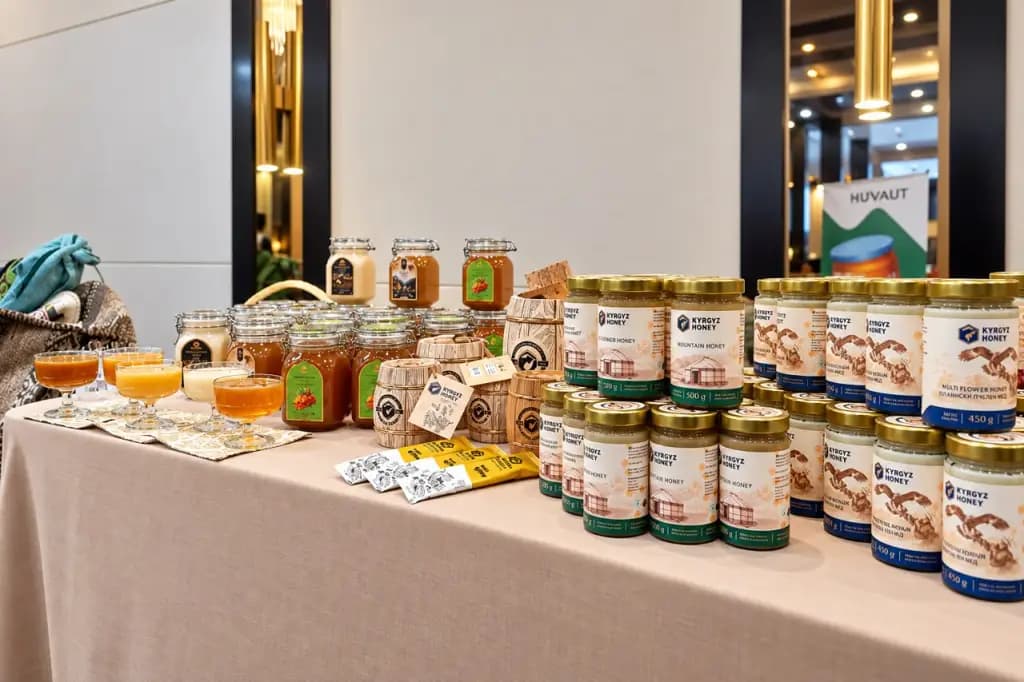
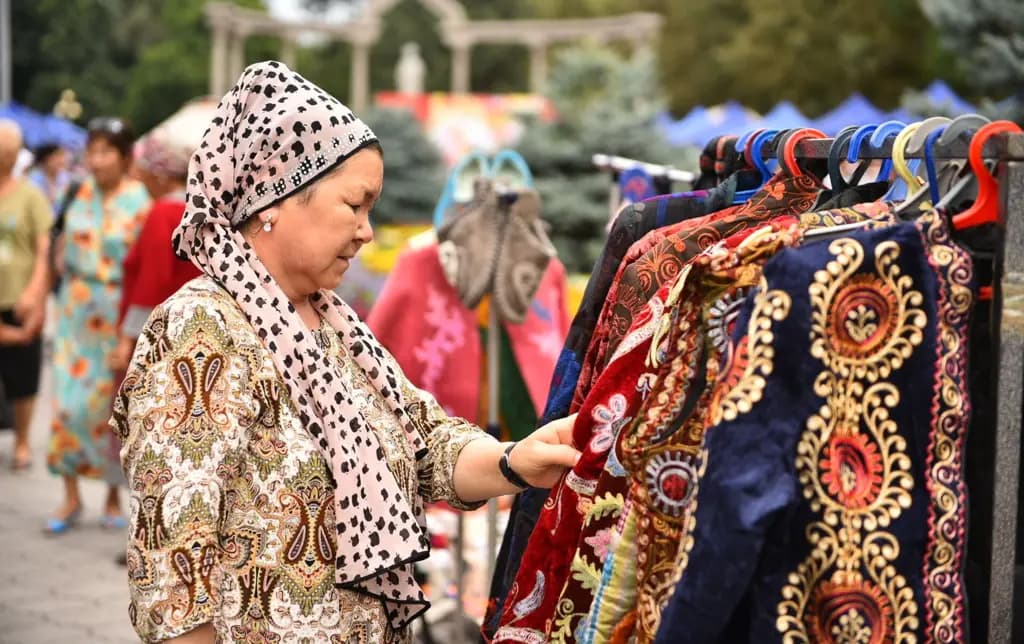
The project supported four green value chains: adventure tourism, beekeeping, the production of dried fruit, berries and nuts, and handicrafts.
In total, the project supported 4,823 micro, small and medium-sized enterprises (MSMEs), of which 3,162 were owned by women. The project created 837 jobs, including 548 for women.