

Published
10/26/2026, 17:30BRICS countries are developing waste recycling infrastructure, implementing separate waste collection, and exchanging environmental technologies. However, the pace of transition to a circular economy varies significantly: China has made significant progress in waste recycling, while in Brazil this indicator remains low.
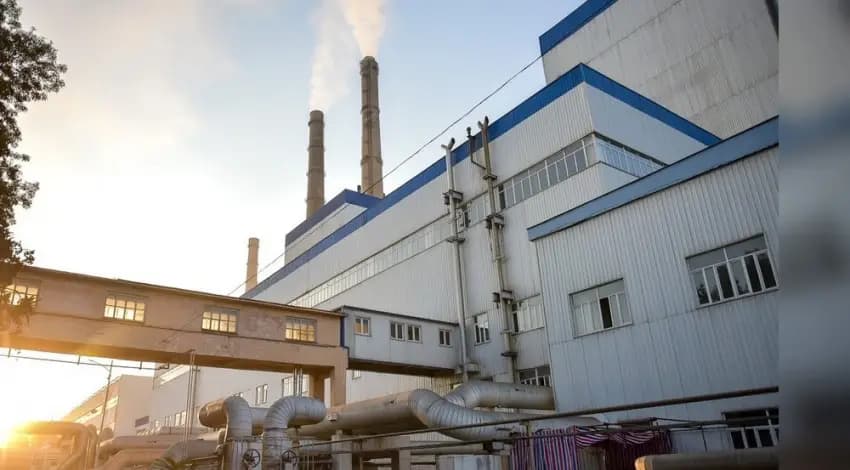
According to TV BRICS, China has established the world’s largest network of waste-to-energy facilities, comprising 1,137 waste-to-energy plants with a total processing capacity of 1.11 million metric tons per day. The “Zero-Waste City” program covers 113 cities. The National Plan for 2026–2030 calls for the further development of resource recycling and reuse.
In Brazil, despite waste management legislation in effect since 2010, only 1.8% of municipal waste was recycled in 2022. At the same time, the recycling rate for aluminum cans reached 100%. The country is also developing composting of organic waste and biogas production.
In Russia, the national project “Environmental Well-Being,” which includes the federal project “Circular Economy,” has been underway since 2025. By 2030, the authorities plan to ensure that 100% of the solid municipal waste generated annually is sorted, reduce landfilling to 50%, and incorporate at least 25% of production and consumption waste into the economic cycle as secondary resources and raw materials.
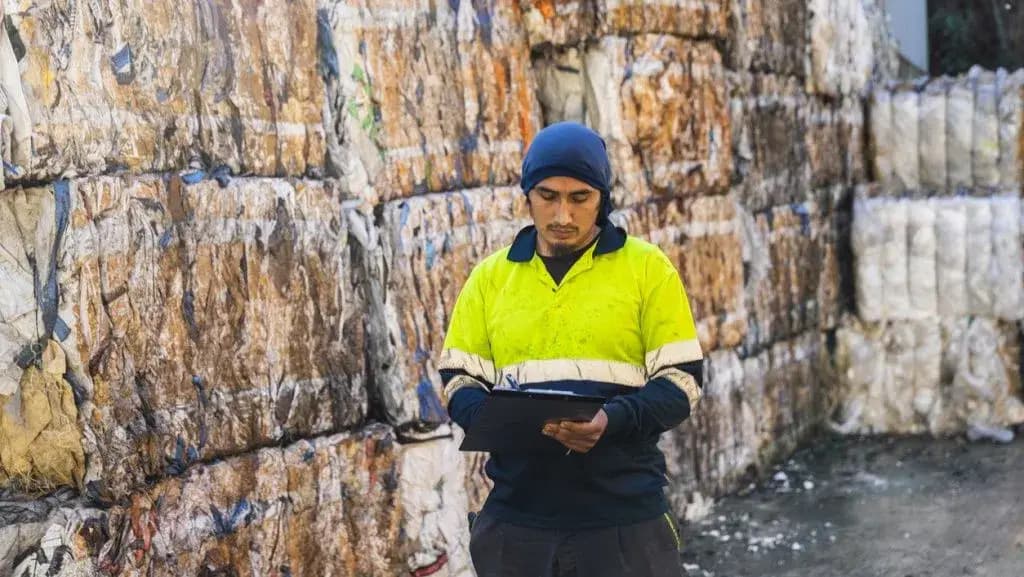
In India, waste recycling is developing in part thanks to millions of informal waste pickers. Experts estimate that they recycle 15–20% of the country’s total waste, including a significant portion of e-waste.
To accelerate the transition to a circular economy, the BRICS countries are developing joint initiatives, including platforms for the exchange of environmental technologies, scientific research programs, and projects in the field of sustainable water management.
Experts note that success depends not only on investment and technology, but also on compliance with legislation, infrastructure development, and the participation of businesses and the public.
For more details, see the article on TV BRICS.