

Published
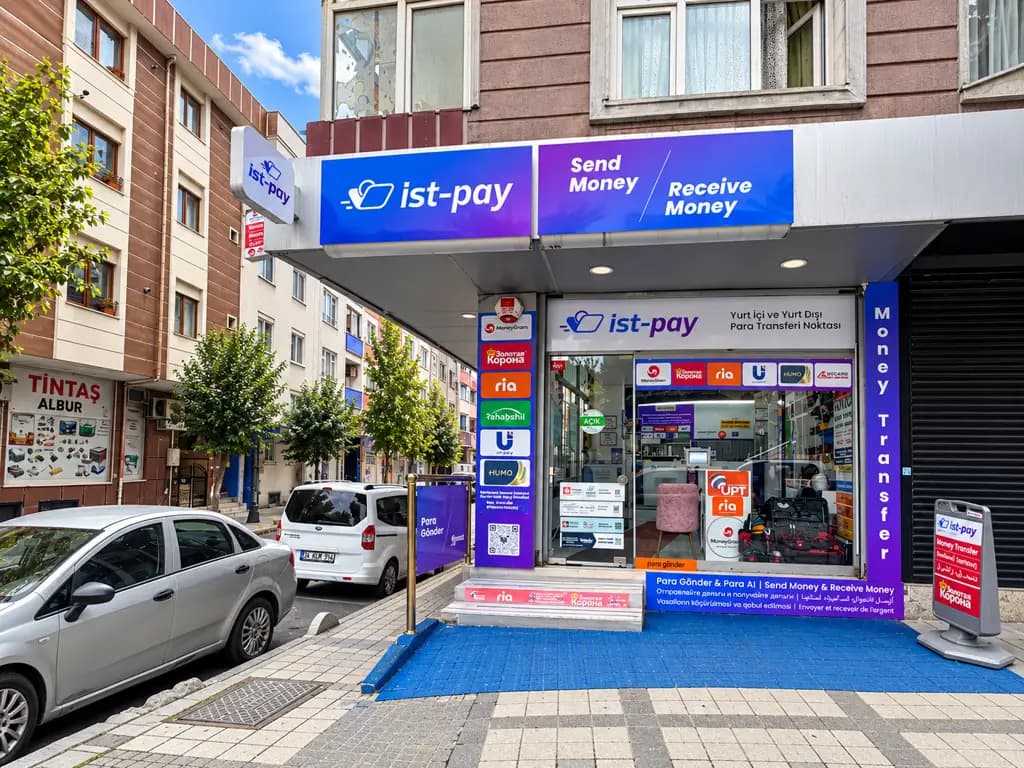
10/26/2026, 10:09A new foreign player—the Turkish payment system IST-PAY—has entered Kyrgyzstan’s money transfer market. The National Bank registered it on October 9.
According to the National Bank of Kyrgyzstan’s registry, the system is operated by Istanbul Ödeme ve Elektronik Para A.Ş., registered in Istanbul. IST-PAY has become the 20th international money transfer system in the regulator’s current registry; its clearing center is listed as the Turkish Misyon Yatırım Bankası A.Ş.
The company has been operating in Turkey since October 2016. In 2018, it received a license to provide payment services, and in 2023, the Turkish Central Bank expanded that license, granting it the right to issue electronic money.
IST-PAY’s core business is international money transfers and digital payments. The company is also developing its own financial products, including the Wist e-wallet, launched in 2024, and the Wist Card payment card.
IST-PAY's registration in Kyrgyzstan coincided with the company's plans to develop an international payment infrastructure in other countries in the region. As a result, the company is expanding its operations in Azerbaijan.
At the same time, Turkey accounts for a relatively small share of the total inflow of remittances to Kyrgyzstan. According to the National Bank, $1.8 million flowed from Turkey to Kyrgyzstan in August of this year, while individuals sent $2.8 million in the opposite direction. This represents about 32% of all remittances sent from Kyrgyzstan abroad in August, but less than 1% of the money received by the country.
From January through August 2026, according to calculations based on the National Bank of Kyrgyzstan’s monthly statistics, approximately $6.5 million was received from Turkey, while $12.9 million was sent from Kyrgyzstan to Turkey. Thus, the volume of outbound remittances in this direction was nearly double that of inbound remittances.
It should be noted that Turkey has become a more prominent destination in remittance statistics relatively recently. Since 2019, the National Bank has begun to list Turkey as a separate entry in its public data, whereas previously small remittance volumes were included among those of other countries.