

Published
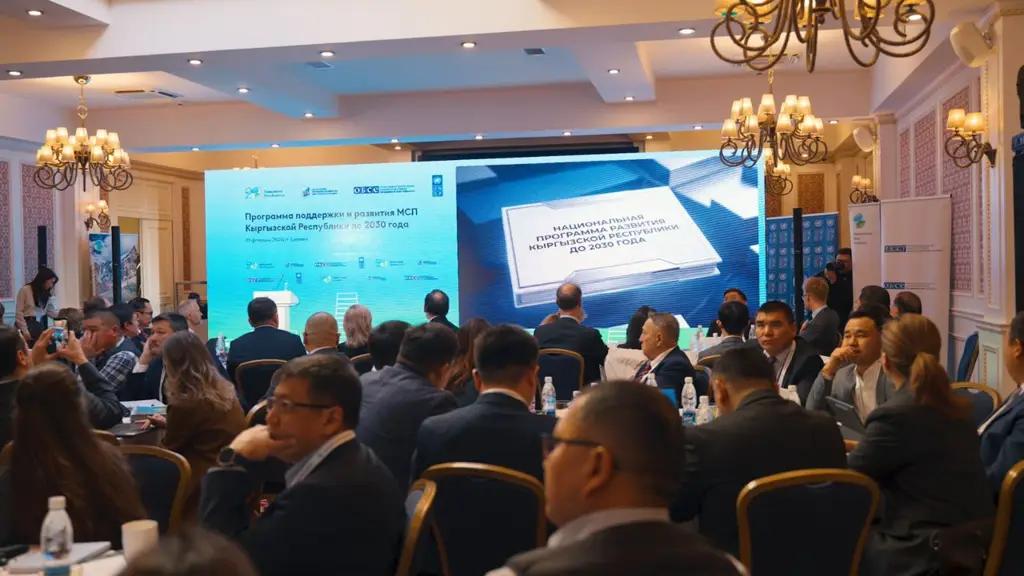
02/20/2026, 10:25On February 19, a strategic session was held in Bishkek on the draft Program for the Support and Development of Small and Medium-Sized Enterprises until 2030. The document, which was discussed in an open dialogue between the state, international institutions, and business, aims to become not just another set of measures, but a new architecture for the development of entrepreneurship in the country.
Representatives of the Ministry of Economy and Commerce of Kyrgyzstan, as well as international partners—the United Nations Development Programme (UNDP), the Organization for Security and Cooperation in Europe (OSCE), and the Eurasian Development Bank (EDB)—took part in the discussion.
The main idea behind SME-2030 is to move away from fragmented support and build a unified, transparent, and measurable system for the development of small and medium-sized businesses. This involves synchronizing institutions, financial instruments, and the regulatory environment.
In accordance with the presidential decree, a Consortium of SME Support Institutions has been created—a platform designed to combine the efforts of the state, the banking sector, and international partners. In essence, this is an attempt to move from disparate initiatives to a managed ecosystem.
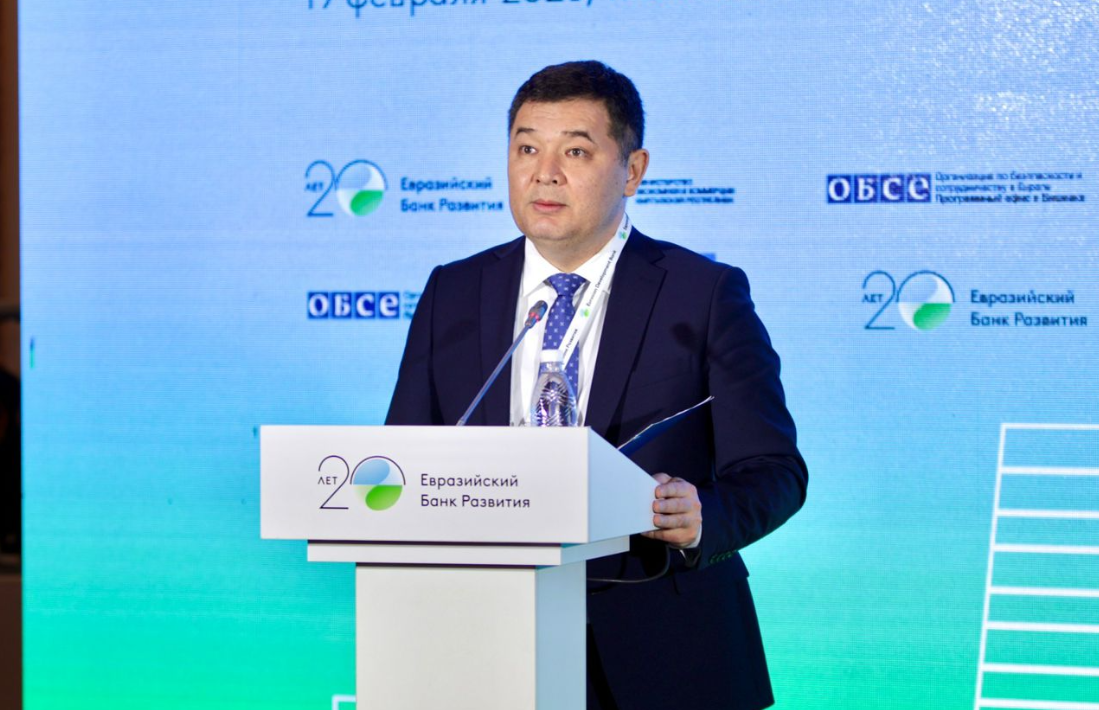
“Without strong small and medium-sized businesses, it is impossible to ensure long-term growth and improve the well-being of citizens. Our goal is to ensure that anyone with an idea and a desire to work can start and develop a business regardless of region and starting opportunities,” said Minister of Economy and Commerce Bakyt Sydykov, articulating the government's position.
It is important to note that the final session in the capital was preceded by regional consultations in Batken, Osh, Talas, Naryn, and Karakol. This format allowed not only the capital's view of the economy to be included in the agenda, but also specific requests from entrepreneurs from the regions.
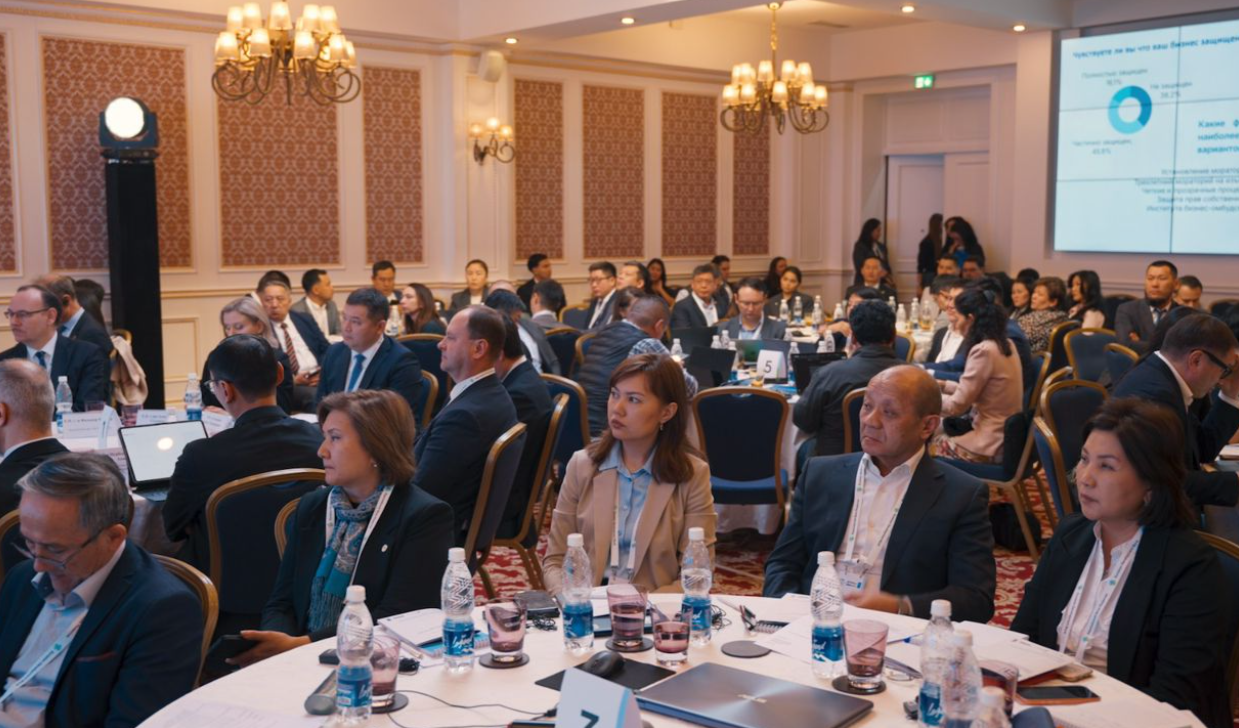
It was these proposals that formed the basis of the draft program: from problems of access to finance to difficulties in entering export markets.
“The implementation of the program will allow us to move to a systematic architecture for the development of small and medium-sized businesses and strengthen the country's business environment,” emphasized Yaroslav Mandron, Deputy Chairman of the EDB Board.
The OSCE emphasizes institutional sustainability. Head of the OSCE Program Office in Bishkek, Ambassador Dr. Volker Frobarth, noted that effective support for SMEs is impossible without reducing administrative and information barriers.
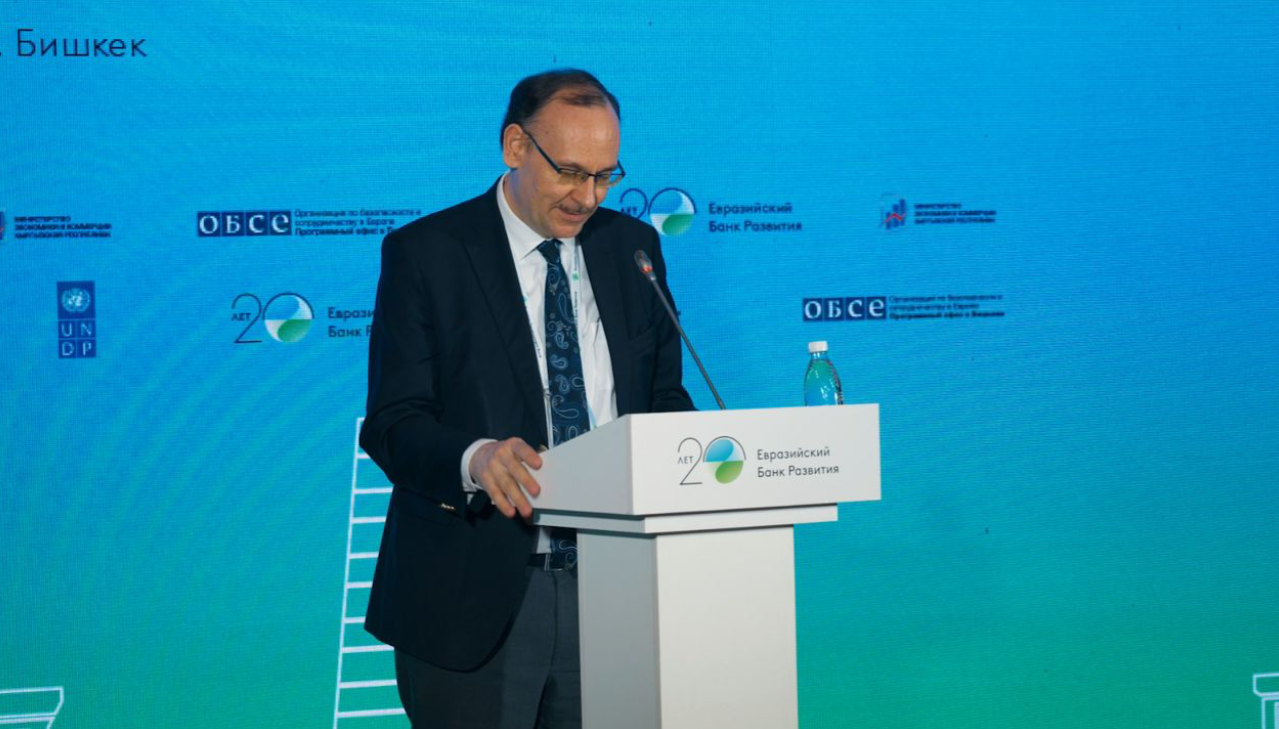
The UNDP sees the program as a continuation of its long-standing work to support economic reforms, digitize public services, develop the green economy, and empower women and youth.
The substantive part of the discussion focused on six key areas:
Following the session, the business community's proposals will be integrated into the final version of the document.
The SME-2030 program sets out a strategy for the next five years. Its success will be measured by how much the business climate in the republic actually changes.