

Published
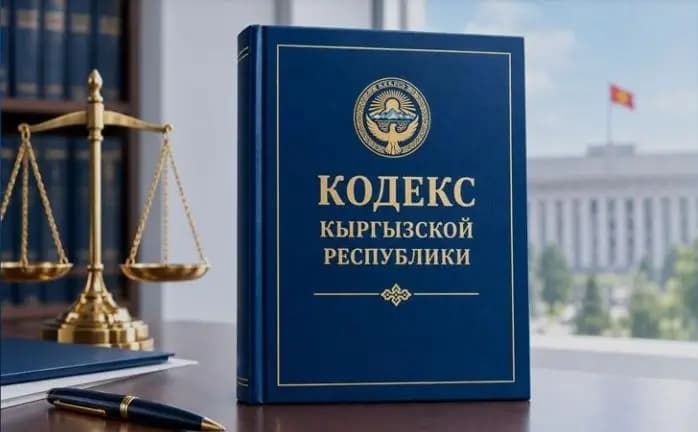
10/05/2026, 08:59The Corporate Governance Code has been updated in Kyrgyzstan. For the first time, it includes a separate section dedicated to combating bribery. Companies are advised to establish an appropriate system based on the principles of the international standard ISO 37001, taking into account Kyrgyz legislation, as well as the scale and specific nature of their operations.
The new version of the Code was approved by an order of the Financial Market Regulation and Supervision Service on 25 September. It replaces the 2020 version.
This is not merely a general requirement to comply with anti-corruption legislation. In the comments on the new clause 8.10, the Code effectively outlines a comprehensive internal system for managing the risks of bribery.
In particular, companies are required to adopt and regularly review an anti-bribery policy, to enshrine a commitment to these principles at the level of the board of directors and the executive body, and to designate a responsible person or department. At the same time, the Code provides for the periodic assessment of bribery risks and the implementation of control measures proportionate to the identified threats.
Audits must cover not only the company’s own employees, but also business partners, intermediaries and other persons acting on its behalf or in its interests. This extends anti-corruption controls beyond the company’s internal structure to its relationships with counterparties.
A separate section deals with potentially sensitive expenditure. Companies are encouraged to establish transparent rules regarding gifts, entertainment expenses, charitable and sponsorship contributions, donations and other benefits that may create a risk of bribery or a conflict of interest.
The Code also provides for the establishment of accessible and confidential channels for reporting suspected breaches. Individuals who report such cases in good faith must be protected from persecution and other adverse consequences. It is recommended that the results of corruption risk assessments, audits carried out, measures taken and the handling of such reports be documented. Regular training on anti-bribery issues should be provided for employees and management.
Furthermore, it is recommended that corruption risks be taken into account when making strategic and investment decisions and when selecting business partners. The anti-corruption measures themselves should be periodically reviewed in line with changes in legislation, the risk landscape and international practice.
However, clause 8.10 of the Code is of a recommendatory nature. Consequently, the document does not impose a direct obligation on all companies to obtain ISO 37001 certification. The standard is used as a guideline for establishing an internal anti-bribery system.
Compared with the previous version of the Code, this is one of the most significant substantive changes. Anti-corruption controls are now viewed not as a separate procedure, but as part of corporate governance — ranging from the work of the board of directors and the vetting of counterparties to investment decisions, internal reporting of breaches and the protection of whistleblowers.