

Published
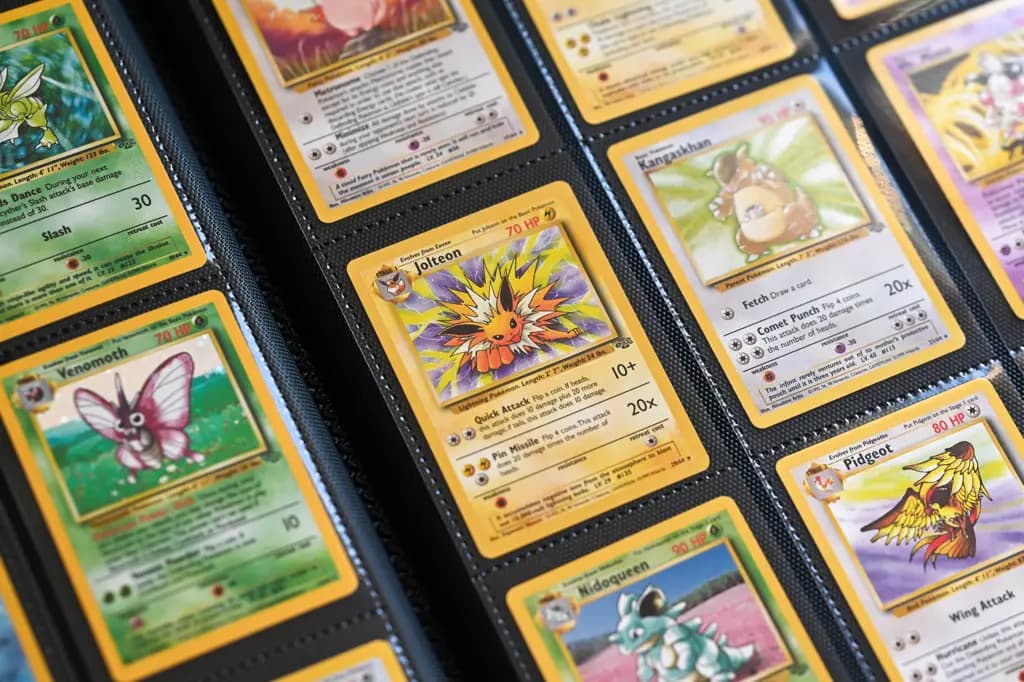
10/29/2026, 13:29Collectible Pokémon cards released between 1999 and 2010 have risen in price by 60% since the start of 2026. According to Binance Research, they outperformed the S&P 500 index, Bitcoin, and gold in terms of returns; during the same period, the value of the latter two assets fell by 7%, while the stock index rose by 11%.
The CardTrack 100 collectible card index gained 52% over the year, while modern Pokémon cards rose in value by 21%.
The main reason for the rise in value of older cards is limited supply. They are no longer being reprinted, and the number of copies in good condition is dwindling over time. Modern cards are produced in significantly larger quantities: according to the report, annual Pokémon production currently reaches about 10 billion cards. Approximately 85 billion cards have been issued throughout the brand’s history, with about two-thirds of them released after 2019.
The market is attracting more and more financial investors. In February 2026, one of the collectible cards was sold at auction for a record $16.5 million. In March, a tokenized fund linked to collectible cards appeared on the market. Platforms are also emerging that store physical cards in special vaults and allow users to represent ownership rights to them in the form of digital tokens.
The market for digital packs, in which users purchase and open virtual packs containing cards, is also growing. According to Binance Research, the monthly fee revenue of the two largest on-chain platforms increased from $2.5 million in June 2025 to $20.5 million in June 2026. During the summer, the revenue of these services declined by about a third, but later began to recover.
Analysts note that the expanding pool of buyers is sustaining demand for rare cards. In addition to collectors, crypto investors, funds, and digital platforms are entering this market, as they need physical assets to back their products.
That said, trading cards remain a risky investment. Their value depends on the card’s rarity, condition, and authenticity, as well as buyer interest. If the popularity of digital platforms begins to decline, this could weaken demand for physical cards. Therefore, analysts recommend monitoring the dynamics of commission revenue from such services as one indicator of market conditions.
Historically, prices of collectible cards have shown a weak correlation with Bitcoin: over the past five years, the correlation coefficient has been around 0.09. However, as crypto investors enter the market, the correlation between the two markets may strengthen.
Similar interest is also being observed in other collectible assets, including One Piece cards, sports cards, watches, and rare wines. Their investment appeal is largely determined by limited supply and the ability to verify authenticity.
This article is based on a Binance Research report. Data is primarily as of October 23–25, 2026. This is not investment advice.