

Published
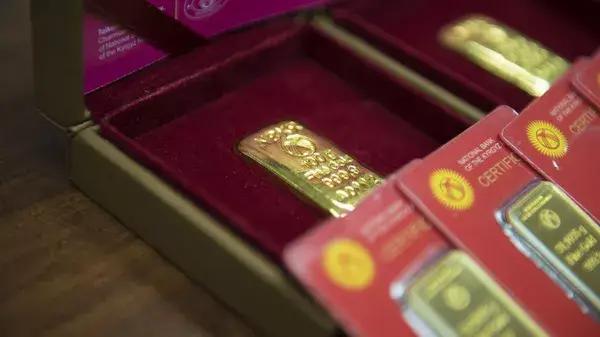
02/15/2026, 09:41On February 13, a rare transaction took place on the Kyrgyz Stock Exchange: a 10-gram gold bar from the National Bank was sold on the secondary market.
According to exchange data, the transaction price was 142,985.5 KGS, exactly the same as the price at which the National Bank sold the bar on the same day.
At the same time, the regulator's buyback price for that day was 142,700 KGS.
Thus, the seller received 285.5 KGS more than if he had simply returned the bar to the National Bank.
In fact, the owner of the bullion used the exchange as an alternative sales channel. Instead of a fixed repurchase at the price set by the National Bank of the Kyrgyz Republic, he sold the asset at market price, which was equal to the regulator's retail price.
The difference itself is insignificant, but the transaction demonstrates a key feature of the secondary market, namely that gold is gradually beginning to be perceived not only as a savings instrument, but also as a tradable asset, where the price may differ from the regulator's quotes in favor of the seller.