

Published
05/19/2026, 10:13In Kyrgyzstan, there are plans to restructure the vocational and higher education system to align with labor market demands and the actual needs of employers. One of the key changes will be an increase in the proportion of practical training at colleges—up to 60%.
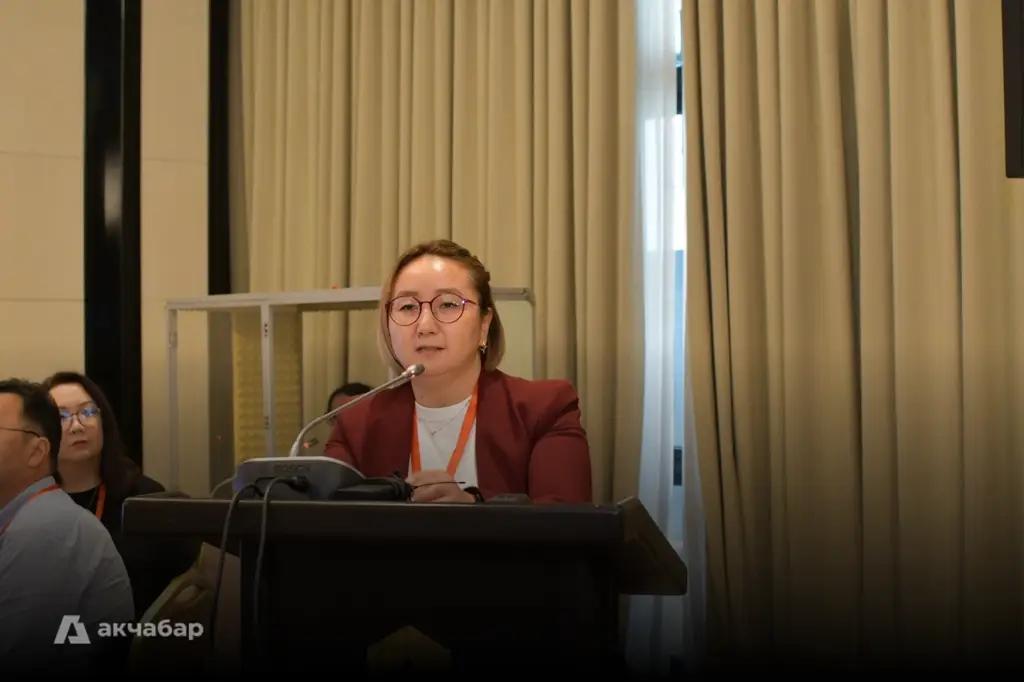
This was announced by Gulnur Mamyrova, a representative of the Ministry of Education and Science, at the Second National Forum on Employment and Vocational Education.
According to her, the labor market is changing faster than educational programs. Digitalization, automation, and the development of artificial intelligence are gradually replacing traditional professions and creating demand for new skills, while the traditional model of education is failing to adapt to these changes.
Against this backdrop, the authorities are focusing on training personnel “for the economy of the future.” Currently, more than 230,000 students are enrolled in Kyrgyz universities; however, the key indicator is no longer the possession of a diploma, but rather a graduate’s ability to quickly integrate into the labor market and possess practical skills.
As part of the reform, the Ministry of Education is implementing the “University 4.0” model. This model involves closer integration of universities with the business sector, the development of dual education, the updating of educational programs to meet employer requirements, and the introduction of new fields—from artificial intelligence to blockchain technologies.
The government is placing particular emphasis on recognizing the skills of Kyrgyz citizens acquired outside of formal education, including those gained abroad. To this end, the country is developing a Center for Independent Certification and Validation of Professional Competencies.
The reasons cited for the reform include a growing shortage of skilled workers and complaints from businesses about the poor practical training of graduates. The authorities believe that without the direct involvement of employers in the educational process, it is no longer possible to prepare competitive specialists.
Eight colleges in Kyrgyzstan have previously been modernized. In addition to upgrading their facilities, these institutions have established training-and-production complexes where students can combine their studies with practical work and participation in projects that generate revenue for the educational institutions themselves.