

Published
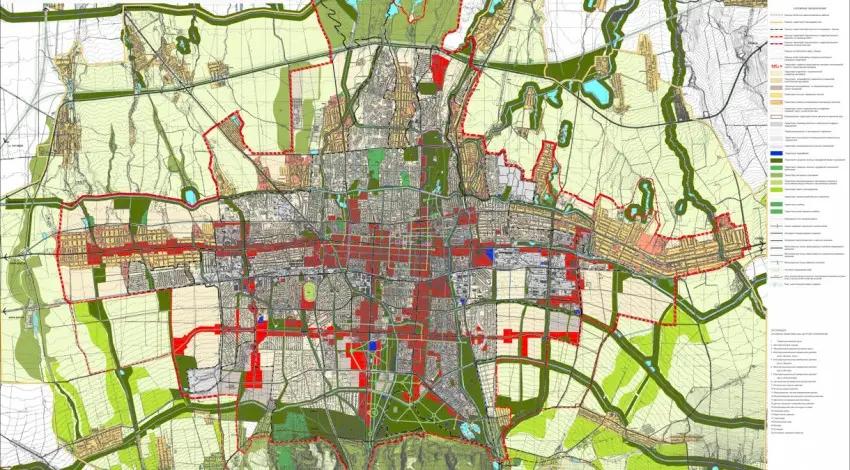
02/05/2026, 10:08The results of public hearings on the draft Master Plan for the city until 2050, published by the Bishkek City Council, showed what changes in the development of the capital were requested by residents and businesses. Proposals and comments were accepted from 12 to 19 January 2026 as part of the established procedure.
An analysis of the submissions shows a consistent demand for a review of the city's functional zoning, primarily in favour of residential and high-rise development.
The most common category of proposals concerned the transfer of land plots:
Residents justified their proposals by citing existing development, the availability of engineering infrastructure, and the actual use of the plots for housing. A separate issue raised was the recognition of housing estates formed before 1 December 2021.
No fewer appeals were related to requests to consolidate the existing situation in the General Plan: to legalise residential areas, stop demolitions, include plots within the boundaries of individual housing construction, and issue title documents.
In fact, the Master Plan was seen by city residents as a tool for legalising existing developments and resolving long-standing land disputes.
In addition to housing, applicants proposed:
In a number of cases, it was proposed to increase the number of floors in already planned residential complexes if there were development projects.
The most intense conflict revolved around agricultural land, which is reserved for food security in the Master Plan, as well as green, recreational and sanitary protection zones of existing enterprises and cemeteries — these plots were most often mentioned in residents' appeals and were just as regularly rejected.