

Published
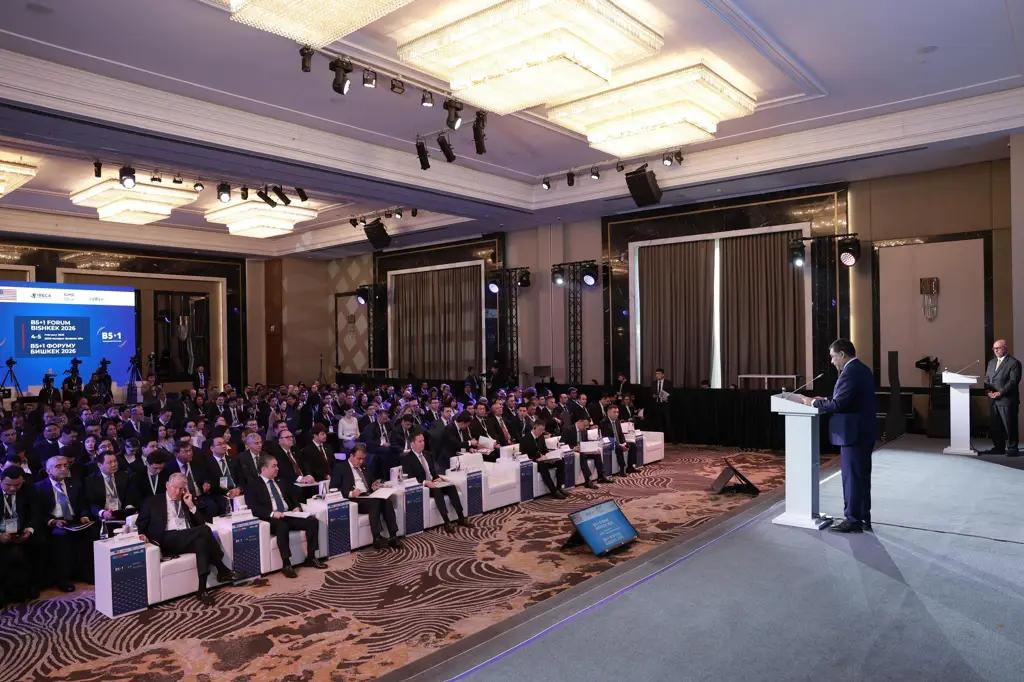
02/04/2026, 17:37The main obstacle to the development of the Trans-Caspian and Middle Corridor is not a lack of infrastructure, but the high cost of logistics. This was stated by Andrew D'Agnieri, Deputy Director of the Atlantic Council, an American think tank, at the B5.1 forum in Bishkek.
According to Andrew D'Agnieri, it is the cost of transportation that determines the competitiveness of landlocked Central Asian countries.
‘We found that the key indicator of logistics efficiency, especially for landlocked countries, is price and price competitiveness,’ he said, presenting the results of the study.
The analysis was based on the World Bank's Logistics Performance Index and a comparison of countries with different income levels and access to global markets. Even with railways, ports and alternative routes, exports remain uncompetitive if transport costs are too high.
The expert stressed that in order to attract the interest of American mining companies, the region should focus not so much on new infrastructure projects as on reducing tariffs, simplifying customs procedures and digitising logistics.
‘If we can reduce export prices from Central Asia via the Trans-Caspian route, you will see much greater interest from American companies,’ added D'Anieri, stressing that it is important for international corporations that projects are economically viable for shareholders.
According to him, without resolving the price issue, even large-scale infrastructure initiatives risk remaining underutilised, and Central Asia risks missing out on opportunities in global commodity markets.