

Published
08/25/2026, 09:04Kyrgyzstan has allocated 956.1 million KGS to oil traders to keep retail fuel prices stable. According to Akchabar’s calculations, the state covers between 20 per cent and 27 per cent of the actual cost of petrol and diesel. In practical terms, this means that the state budget pays for every fourth or fifth litre.
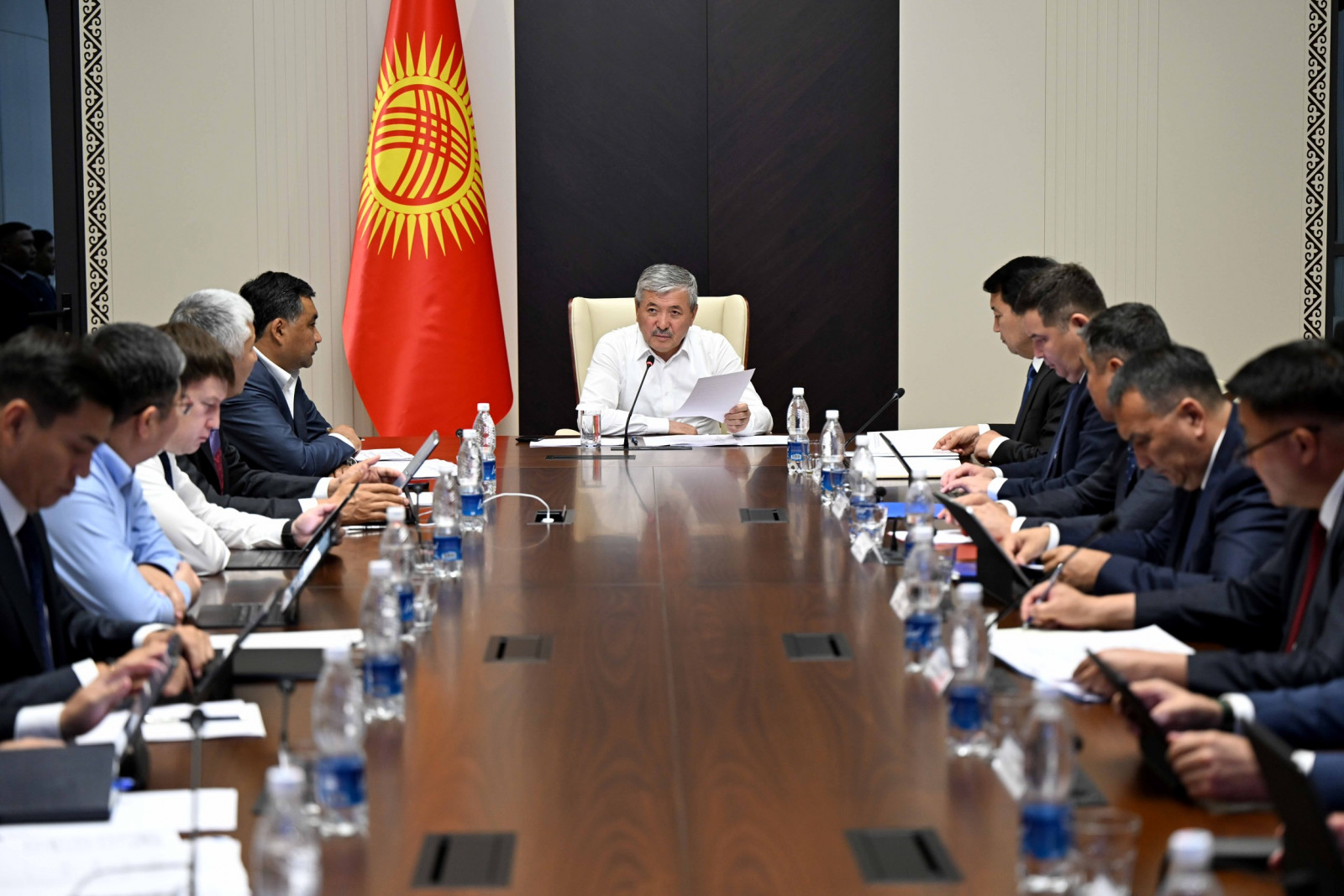
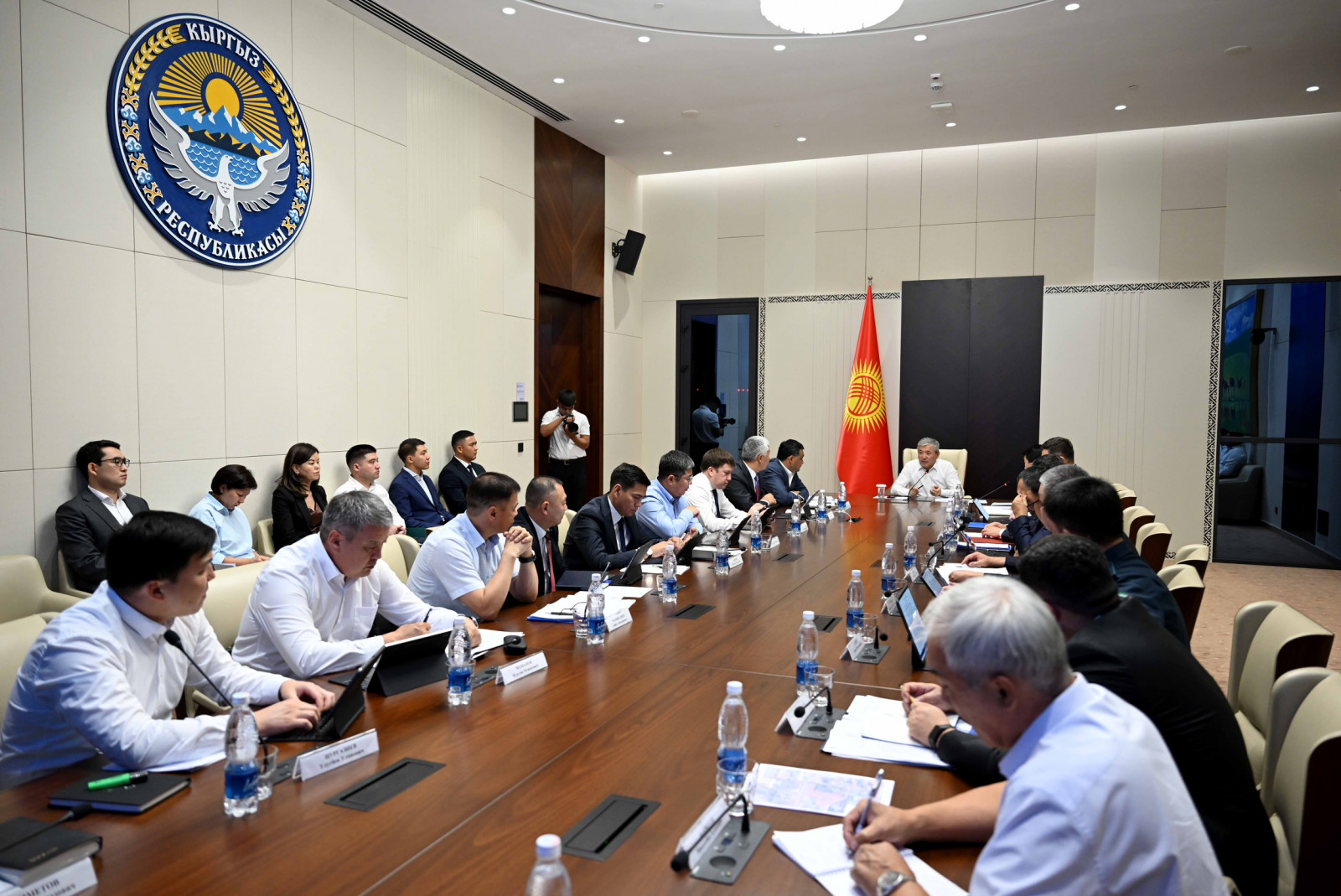
The Cabinet of Ministers has allocated 956 million 139 thousand KGS to compensate for the difference between the actual cost of fuel and the price at petrol stations. The subsidies will continue, said the Prime Minister, Adylbek Kasymaliev.
At the same time, according to the Association of Oil Traders, since the beginning of August, certain companies have signed contracts to supply AI-92 petrol at $1,400–1,450 per tonne and diesel fuel at $1,550–1,600 per tonne. Fuel under these contracts has already begun to arrive in Kyrgyzstan.
At an official dollar exchange rate of 87.45 KGS and an average density of petrol of around 0.75 kilograms per litre, the purchase price of AI-92 is approximately 91.8–95.1 KGS per litre. Diesel, with an average density of 0.84 kilograms per litre, costs around 113.9–117.5 KGS per litre. This is an approximate conversion of the contract price from tonnes to litres. The final cost depends on the density of the specific consignment, delivery terms, logistics, taxes, storage and other expenses.
At the same time, drivers are buying AI-92 at petrol stations for 87.9 KGS, which is cheaper than the indicative purchase price of new consignments. Diesel is sold at 99.9 KGS per litre — approximately 14–18 KGS below the converted import price.
According to data from the Antimonopoly Regulation Service, the total actual cost of AI-92, taking into account associated expenses, is 111–118 KGS per litre. Drivers pay 87.9 KGS, whilst the state subsidises the remaining 23.1–30.1 KGS.
Diesel actually costs 125–137 KGS per litre, but is sold for 99.9 KGS. The budget subsidises a further 25.1–37.1 KGS.
Thus, the subsidy covers:
In other words, out of the full cost of every four to five litres of fuel, the state covers an amount equivalent to the price of one litre. This is not literally free fuel; the compensation is paid to oil traders from the budget.
For example, when filling up with 50 litres of AI-92, a driver pays 4,395 KGS. The state subsidises a further 1,155 to 1,505 KGS for this amount. For 50 litres of diesel, the budget subsidises between 1,255 and 1,855 KGS.
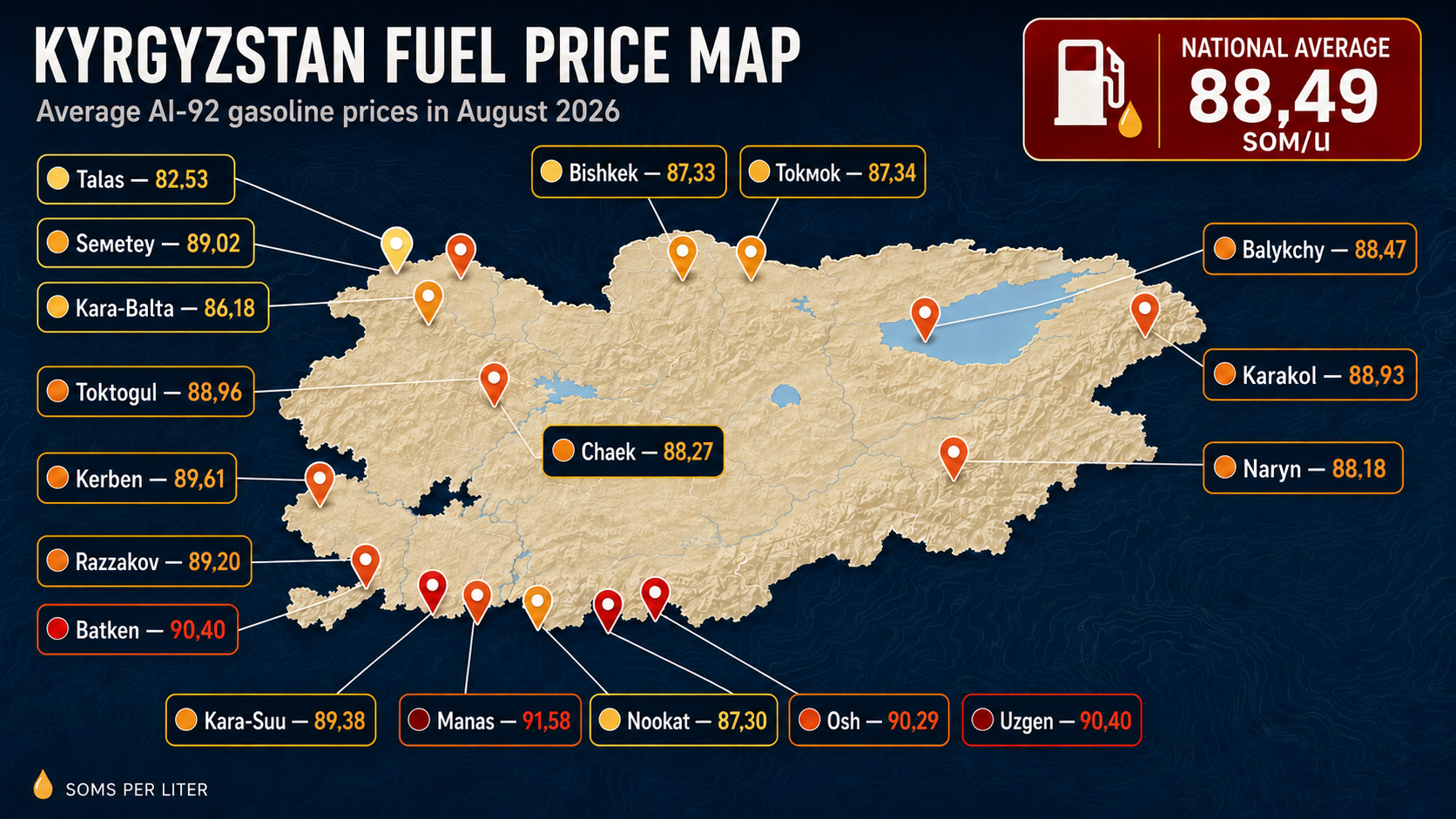
The allocated 956.1 million KGS is sufficient to cover the difference for approximately 24–48 million litres of fuel — depending on the type of fuel and the size of the subsidy per litre.
Against the backdrop of this state support, the authorities have demanded that oil traders’ petrol stations in all regions operate without restrictions. The relevant authorities have also been instructed to ensure uninterrupted imports, resolve logistical issues at the border, seek new sources of supply and complete the modernisation of the oil refinery.