

Published
06/24/2026, 12:56The Ministry of Natural Resources, Ecology, and Technical Supervision has submitted for public comment a draft Cabinet of Ministers resolution on the introduction of a 20-year moratorium on reducing the areas of specially protected natural areas (SPNAs) and downgrading their conservation status.
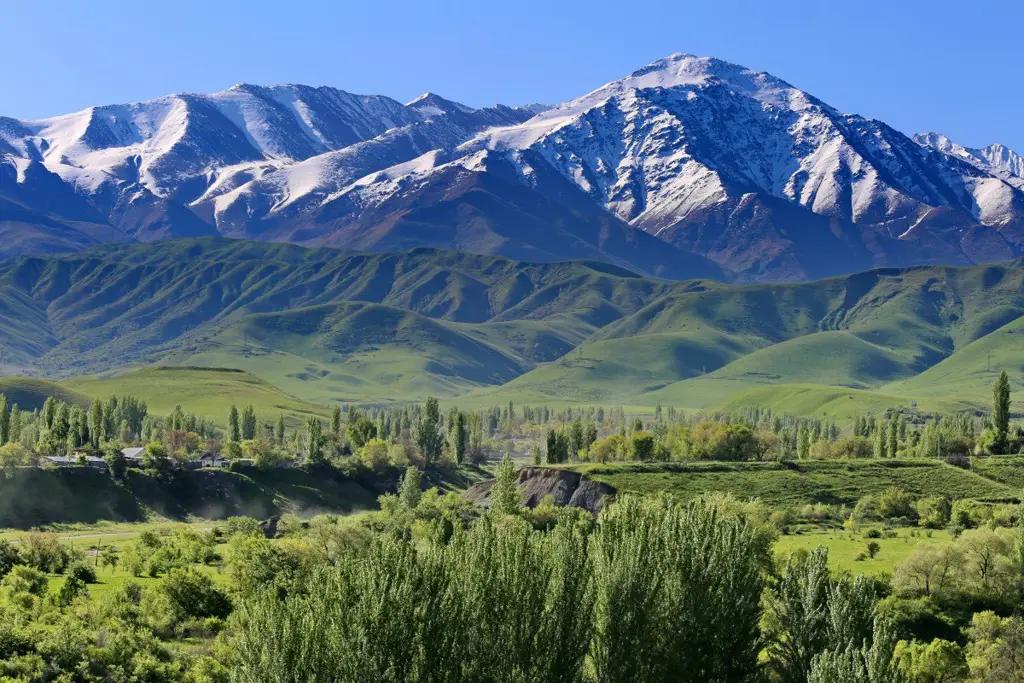
According to the document, over the next 20 years, it will be prohibited in Kyrgyzstan to reduce the areas of state nature reserves, national parks, and other categories of SPAs, as well as to reclassify them into less protected categories.
The authorities explain the initiative as necessary to preserve biodiversity and natural ecosystems and to strengthen state guarantees for the protection of the country’s natural heritage.
“In recent years, against the backdrop of infrastructure projects, mineral resource development, and other economic activities, there have been regular proposals to change the boundaries of specially protected areas, reduce their size, or alter their protection status,” the explanatory memorandum notes.
The Ministry of Natural Resources believes that such decisions could lead to ecosystem degradation, the fragmentation of natural areas, and a reduction in the effectiveness of measures to conserve rare animal and plant species.
At the same time, the draft provides for a number of exceptions. The moratorium will not apply to decisions to expand specially protected areas, measures to address the consequences of natural disasters, or specific cases related to ensuring national security and defense, as determined by the Cabinet of Ministers.
The document also requires the Ministry of Natural Resources to continuously monitor changes to the boundaries and protection regimes of protected natural areas, and mandates that state and local government bodies refrain from making decisions aimed at reducing the size of protected natural areas or lowering their level of protection.
According to the ministry, the adoption of this resolution should contribute to Kyrgyzstan’s fulfillment of its international obligations regarding biodiversity conservation, enhance the resilience of ecosystems to climate change, and promote the development of ecotourism.
The initiative was developed as part of the implementation of the Green Economy Development Program through 2029 and is one of the most long-term environmental protection measures proposed in recent years.