

Published
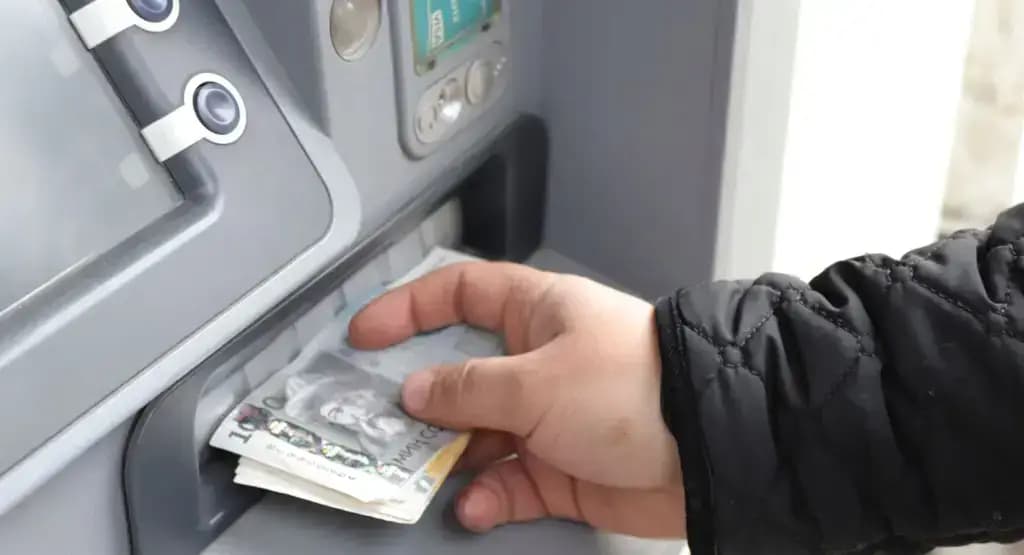
09/02/2026, 16:58The National Bank is proposing to introduce mandatory identification for people who top up bank accounts, cards and e-wallets with cash via payment terminals. If the draft is adopted, it will no longer be possible to deposit money without first verifying one’s identity.
The National Bank published the relevant draft resolution on 28 August.
At present, topping up bank accounts, cards and e-wallets with cash via terminals is classified as a low-risk transaction. Consequently, individuals can deposit money without presenting any documents or verifying their identity.
The National Bank proposes to remove such top-ups from the list of low-risk transactions. The new requirements will apply to banks, payment organisations and their agents that accept cash via terminals.
The draft provides for several methods of identity verification:
The terminal operator will be able to use one or several methods simultaneously. Before processing the information, the payer’s consent must be obtained for the use of personal data.
Identification means obtaining information about a person, whilst verification means checking this data via government digital services and other authorised sources. The results of the verification, including the time it was carried out, must be recorded in the information system.
After confirming the payer’s identity and before accepting cash, the system must check the payer against lists of individuals and organisations linked to terrorist and extremist activities, the proliferation of weapons of mass destruction, and the laundering of criminal proceeds.
If the data matches any sanctions lists, the terminal must refuse to process the transaction.
Following standard identification, a person will be able to carry out transactions within the threshold amounts set by anti-money laundering legislation.
If the amount reaches or exceeds the set threshold, appropriate customer due diligence will be required. This may include asking the payer to complete a questionnaire directly via the terminal.
Specific threshold amounts are not specified in the draft resolution — the document refers to current legislation.
Payment service providers will also be required to monitor the aggregate transactions of identified users. Until the enhanced verification is completed, transactions for which it is mandatory will not be permitted.
The requirement will not apply to all transactions carried out via terminals. It will still be possible to make payments included in the list of low-risk transactions without identity verification.
It is proposed that this list should include:
However, topping up bank accounts, cards and e-wallets is excluded from the list. It is precisely for these transactions that identification will become mandatory.
The National Bank explains the initiative as a necessity to reduce the risk of electronic payment instruments being used for money laundering and the financing of criminal activities.
The changes are also linked to Recommendation 16 of the Financial Action Task Force (FATF). It provides for the ability to trace the movement of funds and identify the sender and recipient of a transfer.
To implement the new rules, it is proposed to amend two existing National Bank regulations on remote services and on the regulation of payment organisations and payment system operators.
Public consultation on the draft will run until 12 September. If approved, banks and payment organisations will be given three months to adapt their terminals to verify users’ identities.