

Published
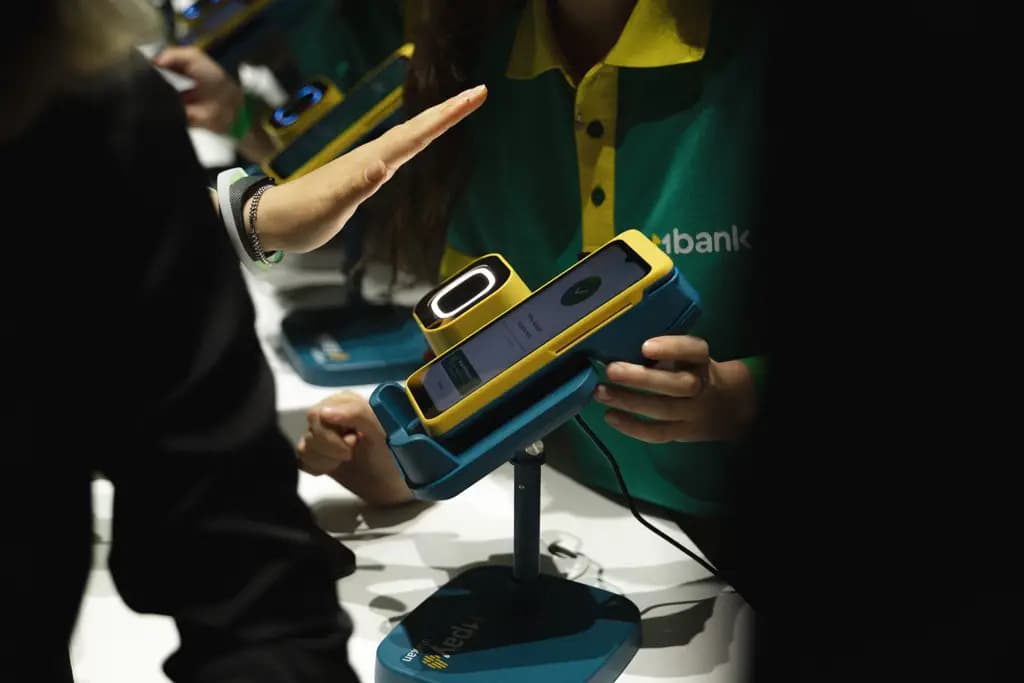
10/06/2026, 21:58A shopper approaches the register, holds their hand up to the reader—and pays for their purchase directly from their bank account. There’s no need to take out a phone. This is exactly the scenario MBANK demonstrated today, October 6, at MTalX, where it unveiled the MPay Alakan service.
For users accustomed to paying via an app, QR code, or e-wallet, the main change is that they no longer need to carry a device with them. However, you can’t use this new method on the spot; you must first register your palm and select the account from which the funds will be debited.

During the presentation, blogger Meken Kemel went through this process on stage and then tested the payment. Registration required interaction with the app and a special reader.
Once connected, you can leave your phone at home. For example, a shopper could walk into a store after a jog and pay with the palm of their hand—provided that a compatible terminal is installed at the register.
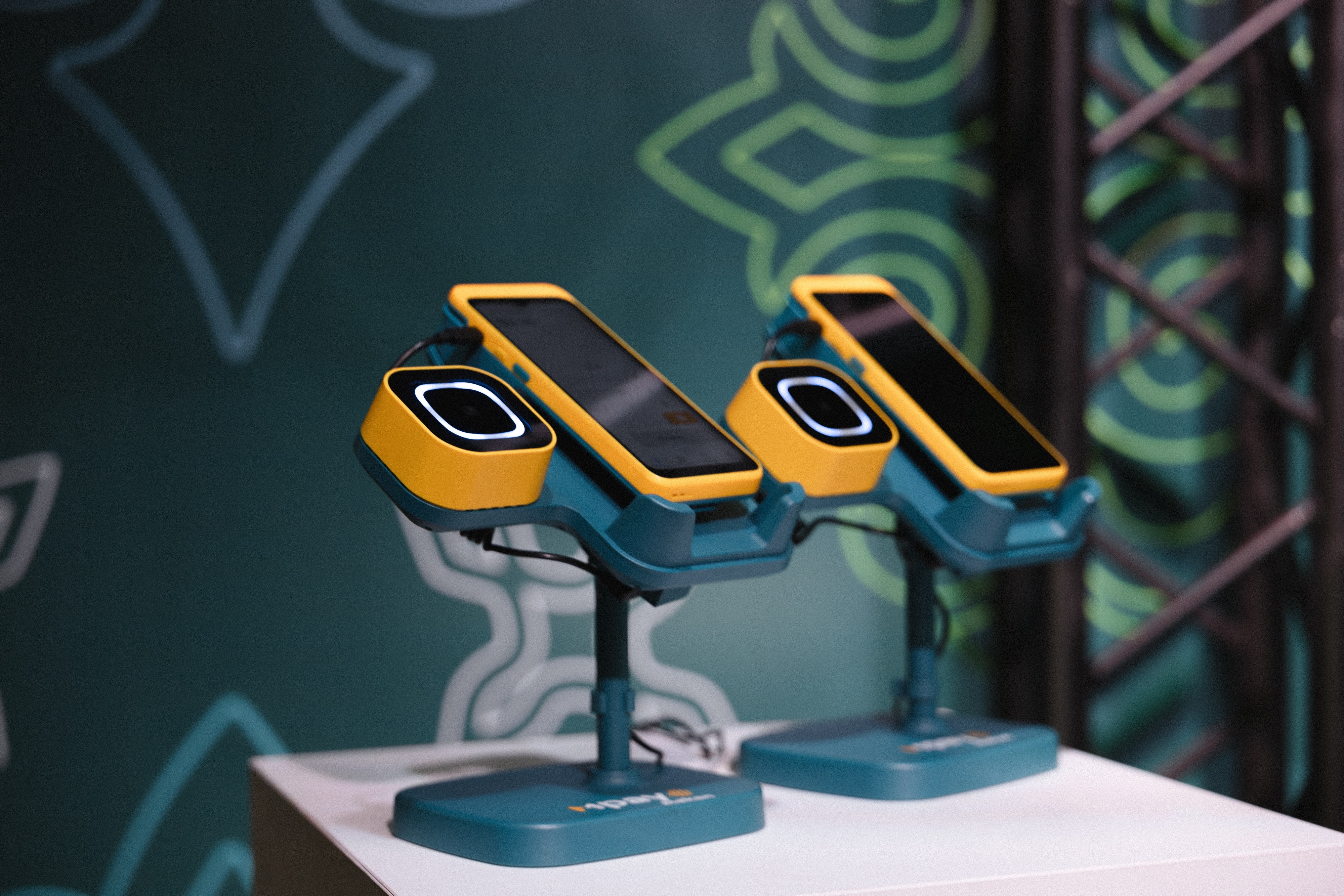
As Marat Toraliev, CEO of MBANK, explained, the system recognizes the vein pattern in the palm of the hand. The registered hand serves as a means of customer identification, and funds are debited from the account the customer selects.
This does not necessarily have to be a physical bank card account. As explained during the presentation, the user selects the payment source from among the available accounts in MBANK. In this way, the service changes the checkout process while retaining the familiar basis of payment—debiting funds from an account.

You can register only one hand. To replace one hand with another, you’ll need to re-register. You cannot register both hands at the same time.
The bank claims that a photo of your hand won’t allow an unauthorized person to make a purchase, since the system uses vein patterns for recognition.

MBANK plans to set up registration points within its own network and at select locations across the country. Among the first to offer this service will be “Asia” hypermarkets, where customers will be able to sign up for the service while they’re out shopping.
Compared to paying via a QR code, the service streamlines the process. Specifically, there’s no need to take out your phone, open the app, or scan a code. Compared to a contactless card, it eliminates the need to carry it with you. However, it does add a preliminary step to set up biometric authentication.

For the buyer, the next practical considerations will be the availability of terminals and the terms of service.