

Published
10/27/2026, 18:08In Kyrgyzstan, measures are being taken against companies associated with the A7 payment network and the A7A5 stablecoin. The Financial Supervisory Authority has already revoked the licenses of a number of market participants; the Cabinet of Ministers has decided to liquidate certain organizations; and case files regarding other entities have been forwarded to the competent authorities for review.
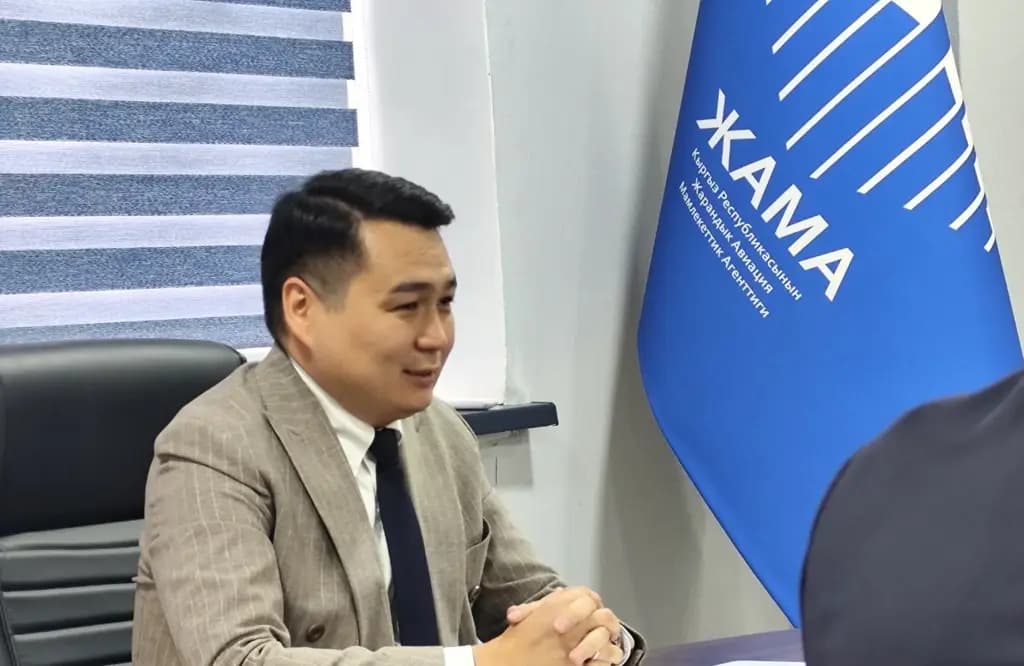
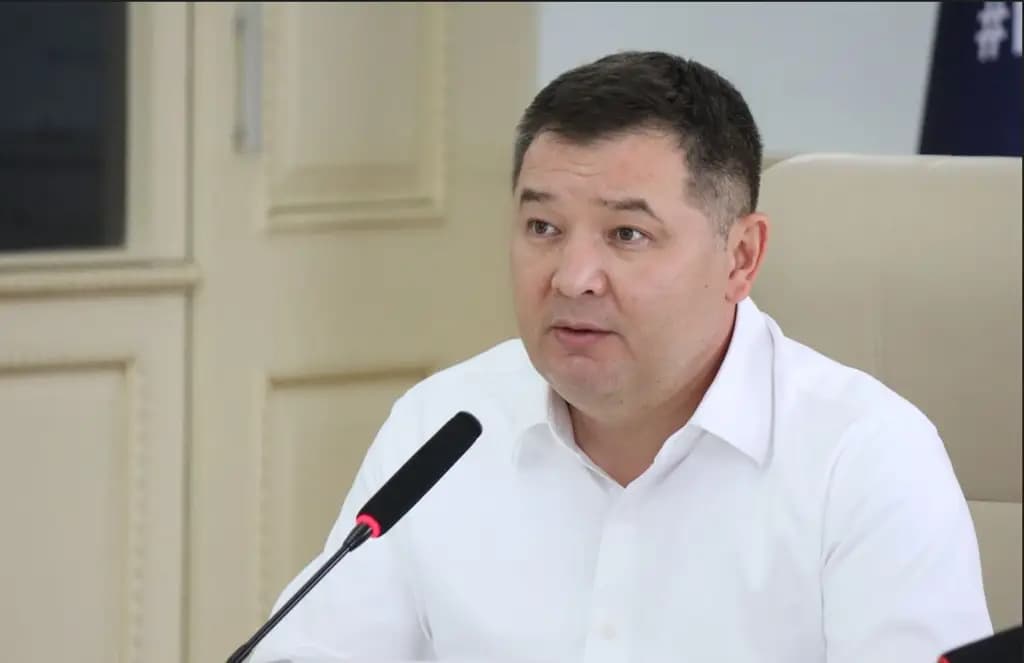
This is stated in an official statement by Bakyt Sydykov—the Kyrgyz President’s Special Representative for Special Assignments on sanctions policy and the minimization of sanctions risks.
In the statement, the authorities for the first time specifically outlined measures regarding market participants linked to A7 and A7A5, amid concerns from the European Union, the United Kingdom, and the United States about the possible use of Kyrgyz jurisdiction to circumvent sanctions.
“Our position is unequivocal: the territory, jurisdiction, and banking and payment infrastructure of the Kyrgyz Republic must not be used for operations aimed at circumventing sanctions,” Sydykov’s statement reads.
Government agencies are paying particular attention not only to operating companies but also to their affiliated entities, intermediaries, and payment channels. The authorities intend to identify the ultimate beneficiaries and actual owners of organizations to prevent the resumption of operations under new names or through newly registered companies.
As of October 20, 52 legal entities in Kyrgyzstan had ceased operations as part of efforts to mitigate sanctions risks. Another 57 companies are undergoing compulsory liquidation. State-owned banks have closed more than 240 accounts.
Against the backdrop of sanctions risks, the National Agency for Virtual Assets and Blockchain Technologies is drafting a presidential decree that would tighten control over participants in the cryptocurrency market.
The document calls for checks against sanctions lists from the UN, the European Union, the United Kingdom, and the United States, the introduction of additional mechanisms to restrict transactions, and the establishment of liability for market participants.
At the same time, a Unified Digital Platform for Licensing and Oversight of Virtual Asset Service Providers is being developed. It is intended to automate the verification of applicants, track transactions, and analyze crypto wallets.
Thus, oversight will extend not only to legal entities and bank accounts but also to transactions involving digital assets.
At the same time, the National Bank, in collaboration with commercial banks, is strengthening procedures for verifying customers, their ultimate beneficial owners, and the purpose of payments.
Particular attention is being paid to transactions whose economic rationale does not correspond to the company’s stated activities, as well as to settlements made through intermediaries and related parties.
Banks report monthly to the regulator on closed accounts, blocked payments, and refusals to provide services. International consultants are being engaged to conduct an independent assessment of the existing control systems.
The authorities emphasize, however, that these inspections do not automatically mean that companies are deemed to be in violation. Restrictive measures must be taken on legal grounds and must not prevent bona fide market participants from conducting international transactions.
According to the statement, President Sadyr Zhaparov is personally overseeing efforts to minimize sanctions risks.
Kyrgyzstan has also confirmed its readiness to cooperate with the EU, the United Kingdom, and the United States, and to exchange information on suspicious transactions and measures taken.