

Published
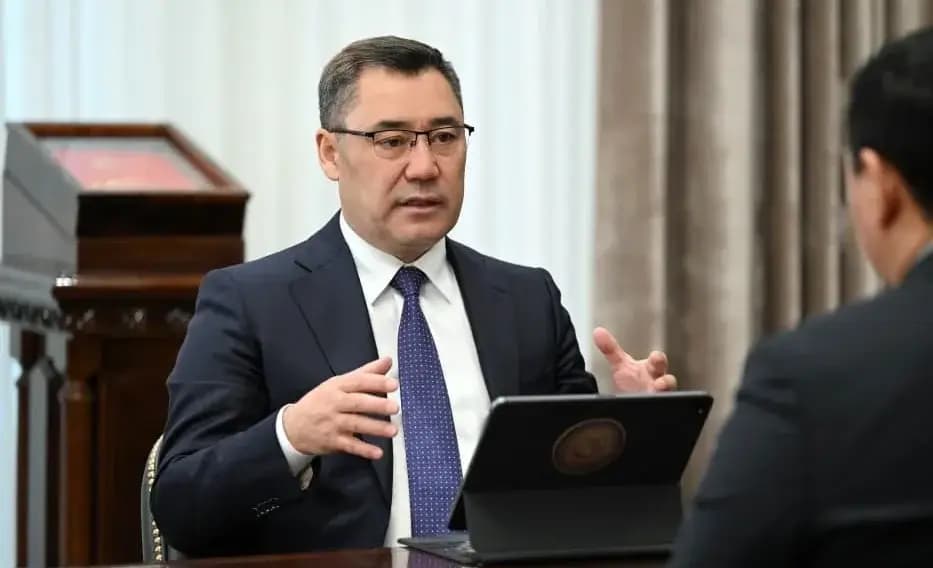
07/18/2026, 16:47In an interview with the Kabar news agency, President Sadyr Zhaparov stated that foreigners would not be able to acquire land as freehold property in Kyrgyzstan, and that plots leased to investors would remain state-owned. The head of state also spoke about restrictions on foreign companies and measures against those who breach immigration laws.
The statement was prompted by disputes surrounding amendments to the Land Code. Concerns have emerged on social media that the new regulations would allow foreign investors to lease land for up to 50 years and, in the future, gain control over the country’s territories.
According to the President, the long-term lease mechanism has been in place in Kyrgyzstan for many years and has been used in projects such as the Vefa Centre and Beta Stores. However, as Zhaparov emphasised, foreign nationals and companies cannot acquire land as their property – they are granted only the right to temporary use.
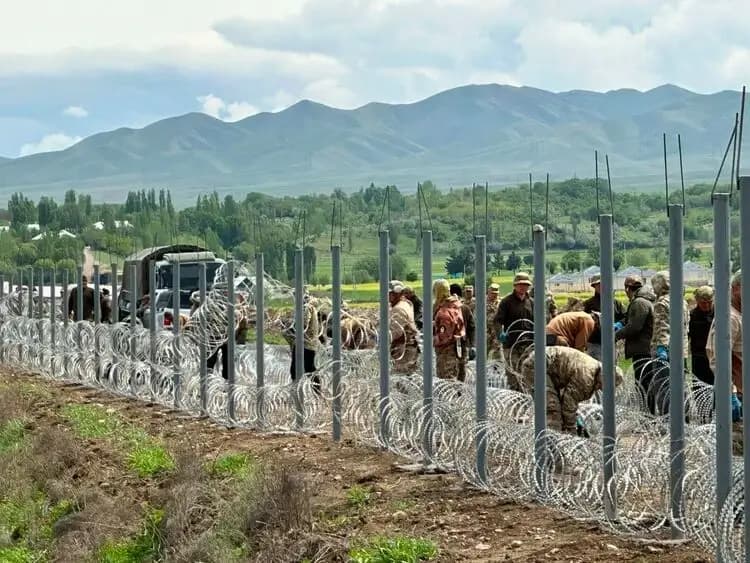
The President gave assurances that border areas and agricultural land would not be transferred to foreigners, either for lease or ownership. He noted that investors are obliged to fulfil the terms of their contracts: to build facilities, create jobs and invest in the economy. Otherwise, the state will be able to terminate the agreement and reclaim the plot.
Separately, Zhaparov commented on the situation regarding foreign workers. According to him, over the past few months, around three thousand foreign nationals who had broken the law have been expelled from Kyrgyzstan, whilst nearly a hundred more are awaiting deportation.
The debate surrounding the land issue has intensified following amendments to the Land Code and the rise in the number of major investment projects involving foreign companies. Concerns are increasingly being voiced within society regarding long-term land leases, migration and the preservation of the country’s strategic resources.
Previously, government officials had repeatedly emphasised that the sale of land to foreign nationals is prohibited under Kyrgyz law, and that all investment projects are subject to state oversight.