

Published
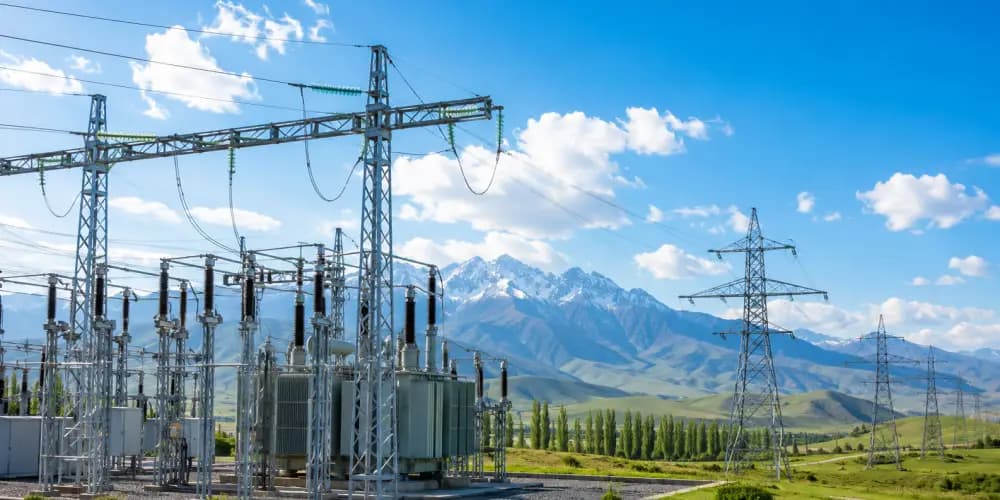
10/30/2026, 18:00Kyrgyzstan plays an important role in Central Asia’s energy sector thanks to its high share of hydropower and its ability to quickly adjust electricity generation. However, rising domestic consumption and dependence on water reserves limit the country’s available resources.
According to the Eurasian Development Bank (EDB), as of January 1, 2025, the installed capacity of Kyrgyzstan’s power system stood at 4.13 GW. Of this, 79.1% came from hydropower plants.
The Naryn cascade of hydroelectric power plants and the Toktogul Reservoir, with a capacity of 19.5 billion cubic meters, play a key role. The Toktogul Hydroelectric Power Plant, with a capacity of 1,440 MW, helps cover peak loads and regulate water releases.
According to data from the “Energia” Control and Dispatch Center, a hydroelectric unit can be started up and brought to full capacity in 1–2 minutes. If it is already idling, it takes 15–30 seconds. This flexibility allows for a rapid response to changes in demand and compensates for the intermittent output of solar and wind power plants.
At the same time, Kyrgyzstan’s available resources are dwindling. Electricity consumption has risen from 14.6 billion kWh in 2014 to 19.3 billion kWh in 2025.
The load is particularly high during the river or lake’s low-water period, when water levels are at their lowest and the power system’s operation depends on water reserves. Even the increase in electricity imports from neighboring countries has not yet ensured a sustainable recovery of the Toktogul Reservoir’s water level.
The Kambarata HPP-1 could strengthen the power system. The project is viewed as an opportunity to enhance seasonal regulation and preserve the Toktogul Reservoir’s regulatory function.
According to the EDB’s assessment, Kyrgyzstan can help neighboring countries balance their power systems by adjusting capacity on demand, maintaining frequency, and covering evening peaks.
Such flexibility is particularly important as the share of renewable energy sources increases. However, it requires resources and is linked to reservoir operating regimes, equipment wear and tear, and water management obligations.
Therefore, the EDB proposes treating Kyrgyzstan’s hydropower flexibility as a separate regional service that should have a measurable value and be compensated.