

Published
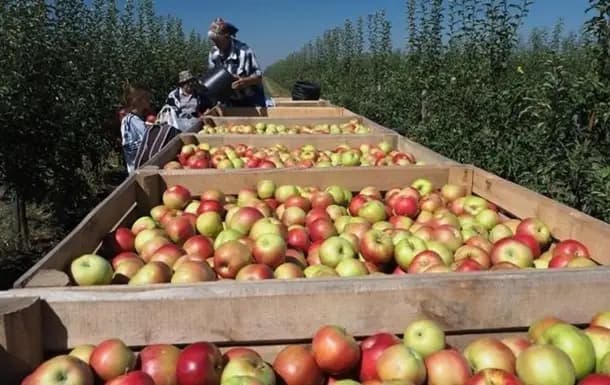
10/30/2026, 12:34From January through August 2026, imports of fresh apples, pears, and quinces into Kyrgyzstan increased 2.2-fold—to 11,000 metric tons. Amid this increase in shipments, the Cabinet of Ministers is imposing a temporary ban on apple imports from third countries and EAEU member states. The restriction will remain in effect until February 1, 2027, and is intended to support domestic fruit growers.
According to the decree, the ban will take effect three days after the document’s official publication. It applies to apples classified under codes 0808 10 100 0–0808 10 800 8 of the EAEU Foreign Economic Activity Commodity Nomenclature.
However, exceptions are provided for. The ban will not apply to apples transiting through the territory of Kyrgyzstan, including those moving between EAEU member states. To qualify, importers must provide documents confirming the shipment date and destination.
The import of apples shipped to Kyrgyzstan before the decree took effect is also permitted. In such cases, an official letter from the Ministry of Water Resources, Agriculture, and Processing Industry addressed to the customs authority is required.
According to foreign trade statistics from the National Statistics Committee for January–August 2026, Kyrgyzstan imported 11,000 metric tons of fresh apples, pears, and quince worth $5.76 million. During the same period last year, the volume of imports was approximately 5,000 metric tons, valued at $2.65 million.
Thus, imports increased 2.2-fold in volume and by approximately 117.6% in value.
Poland became the largest supplier, accounting for 5,900 metric tons of produce worth $3 million. Imports from China totaled 3,100 metric tons worth $1.7 million, and from Uzbekistan—1,200 metric tons worth $504,700.
Supplies also came from Kazakhstan (441 metric tons), Iran (202.6 metric tons), Afghanistan (142.9 metric tons), and Tajikistan (56.6 metric tons).
Meanwhile, exports of fresh apples, pears, and quinces from Kyrgyzstan during the same period totaled 3,500 metric tons, worth $859,800. Compared to January–August 2025, the volume of exports decreased by 38.7% in physical terms.
The main destinations were Uzbekistan (1,700 metric tons), Kazakhstan (1,300 metric tons), and Russia (612.6 metric tons).