

Published
04/03/2026, 11:32On 3 April, Kyrgyzstan launched a system enabling the online buying and selling of gold via the Kyrgyz Stock Exchange (KSE). Previously, transactions involving standardised gold bars were limited to physical retail outlets. Trading is now gradually moving online.
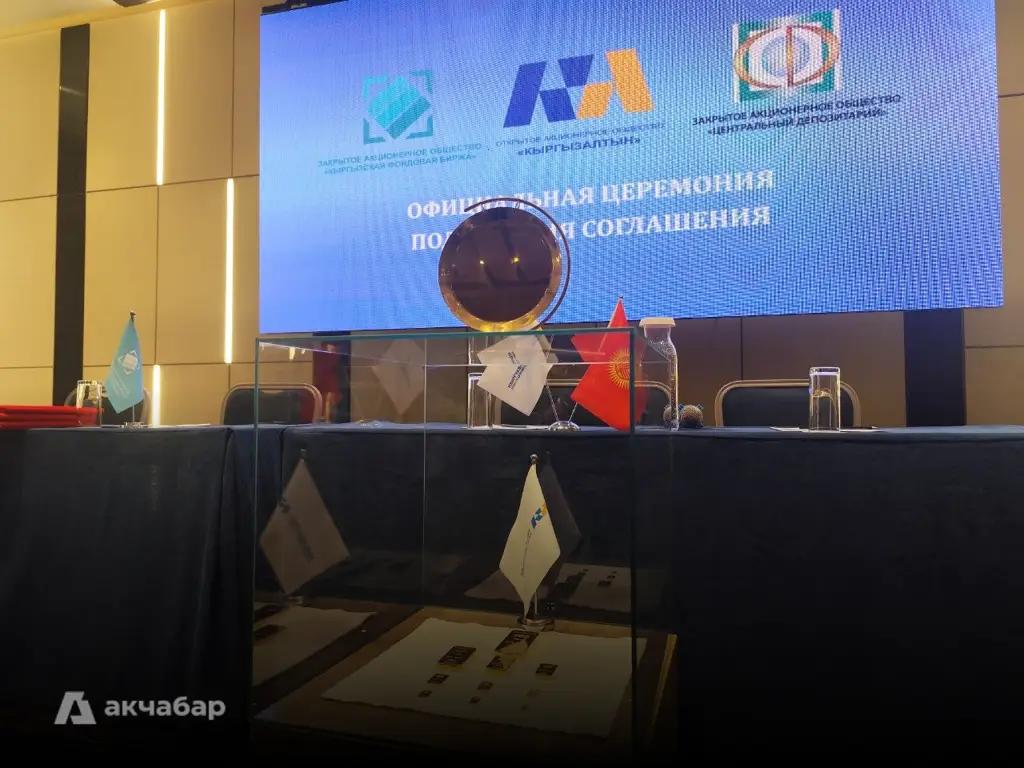
The launch was prompted by the signing of a tripartite agreement between the KSE, Kyrgyzaltyn OJSC and Central Depository CJSC. The document formalises the creation of an infrastructure for exchange trading in precious metals using an automated system.
Under this model, the KFB acts as a technological platform where transactions take place and market prices are formed. Kyrgyzaltyn ensures the availability and storage of the metal, whilst the Central Depository is responsible for settlements and the recording of ownership rights on a ‘delivery versus payment’ basis, which eliminates the risk of non-performance of transactions.
The mechanism allows investors to buy gold through a broker — just like any other exchange-traded instrument — without visiting a shop. Meanwhile, the bars remain in Kyrgyzaltyn’s custody and can be released to the owner on demand.
The new format also addresses the practical limitations of the offline model. Previously, buying gold involved a visit to Kyrgyzaltyn’s sales outlets, where organisational constraints applied: customers were served in turn, and only a limited number of customers could be present in the premises at any one time, which increased waiting times. In some cases, banks offered delivery of bullion, but this introduced additional risks associated with transport. In the exchange model, the metal is stored in Kyrgyzaltyn’s certified vaults, which reduces operational risks for the investor and eliminates the need for physical movement of the asset.
“I think the market will pick up because not everyone can come to a shop to buy gold. We are now providing access to the whole country – and beyond. Our citizens outside the country will also be able to buy and sell this asset. Accordingly, we expect trading volumes to grow. At the same time, the price will be determined by the market – based on supply and demand”, — noted Talantbek Omuraliev, Chairman of the Board of Directors of the Kyrgyz Stock Exchange.
Traders will be able to place their own orders, and in some cases the price may differ from the buy-back terms.
Interest in gold has remained steady in recent years against the backdrop of rising prices and its perception as a safe-haven asset. In Kyrgyzstan, the National Bank remains the main channel for buying and selling bullion: the public purchases the metal from the regulator and, as a rule, sells it back to the same body.
At the same time, the exchange segment is developing cautiously. Since trading began, the volume of transactions has remained limited. However, the first examples of using this alternative channel are already emerging. For instance, in February 2026, a 10-gram bar was sold on the exchange at a price exceeding the National Bank’s buy-back rate by 285.5 som. This case demonstrated that, in an exchange environment, prices can form with deviations from fixed benchmarks.
Market participants expect that the launch of the digital mechanism will increase liquidity and investor engagement. Expanding access, including via brokers’ mobile apps, could become a key factor in boosting turnover and establishing a fully-fledged secondary gold market within the country.