

Published
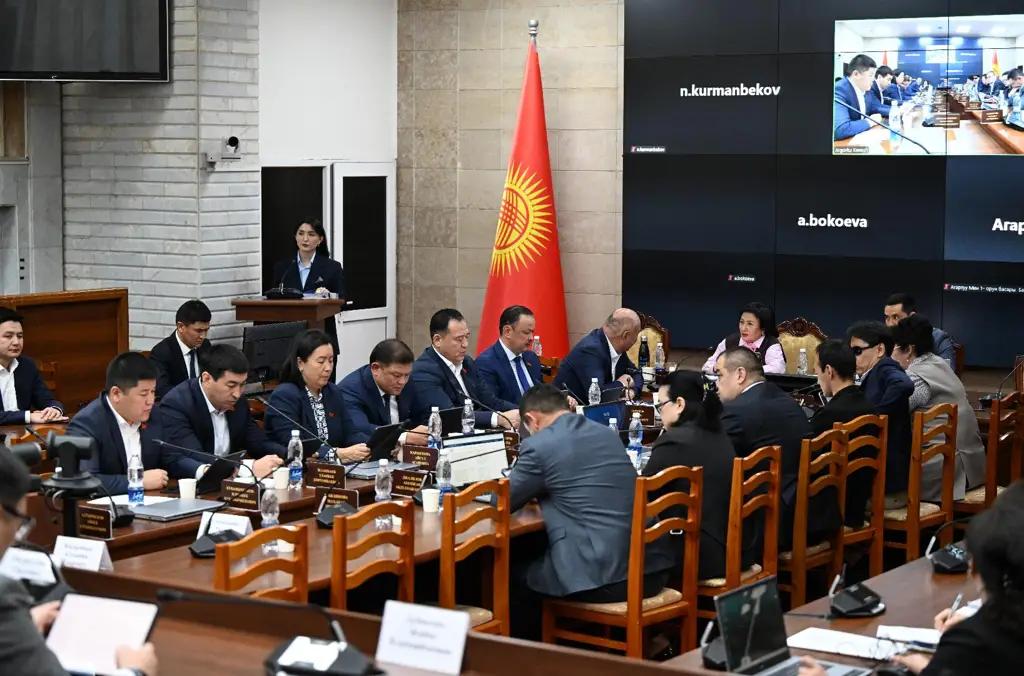
04/21/2026, 17:43On April 21, the Committee on Finance, Budget, Entrepreneurship, and Competition approved amendments to the law on the privatization of state property in the first reading.
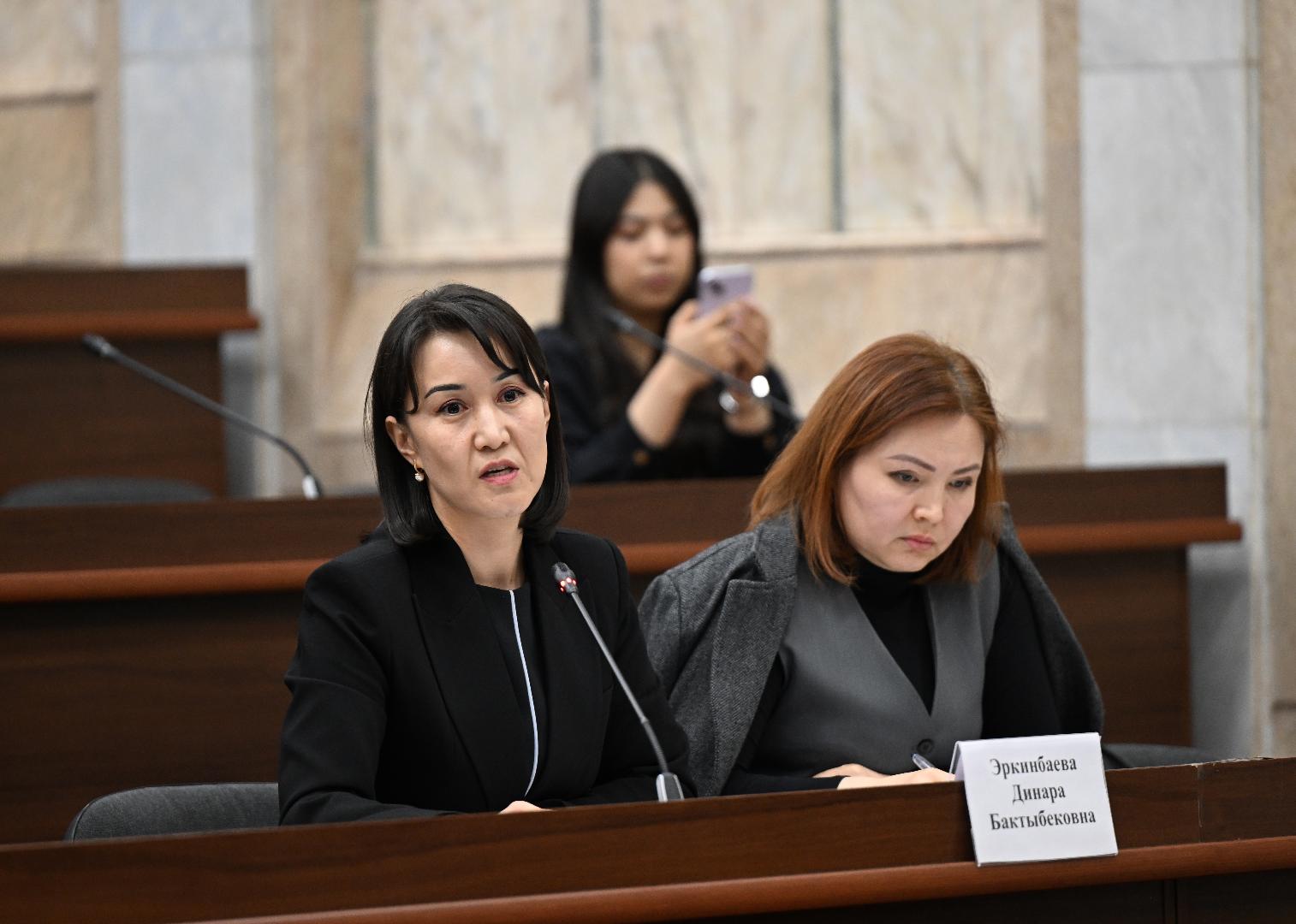
As Deputy Minister of Economy and Commerce Benazir Nurlanova explained, the document is intended to update privatization rules, simplify and clarify procedures, increase the transparency of transactions, and generally attract more investors.
Essentially, the authorities are proposing to rethink the very approach to privatization. They want to remove such forms as competitive sales, transfer to management with subsequent buyout, and lease with buyout from the law. Formally, these exist, but in practice they are rarely used—in part due to corruption risks. Instead, the focus will be on auctions, direct sales in certain cases, contributing assets to companies’ authorized capital, and selling shares through the stock exchange.
Another change is the abolition of the Privatization Commission. The explanatory note states that its functions largely duplicate the work of appraisers, and the appraisal process itself is already regulated by a separate law. Therefore, it is proposed to abolish the commission.
The amendments also strengthen disclosure requirements. While data is currently published in the media, including the newspaper “Erkin Too,” information about auctions will now need to be posted on the authorized body’s website and on the government portal for electronic services. Moreover, this must be done in advance: at least 30 days before the sale, and 90 days for strategic assets. The results of the transactions must also be published online within a month.
More flexible payment terms are being introduced for buyers. The mandatory requirement for full payment upfront is being removed. If an asset is sold on an installment plan, at least 50% of the cost must be paid upfront, with the remaining amount to be paid within a year. This is expected to simplify local businesses’ participation in privatization.
Additionally, the bill specifies that the rules also apply to the sale of movable state property, excluding shares and stakes in companies. Transactions involving strategic assets, if governed by other laws, must be approved by the Jogorku Kenesh.
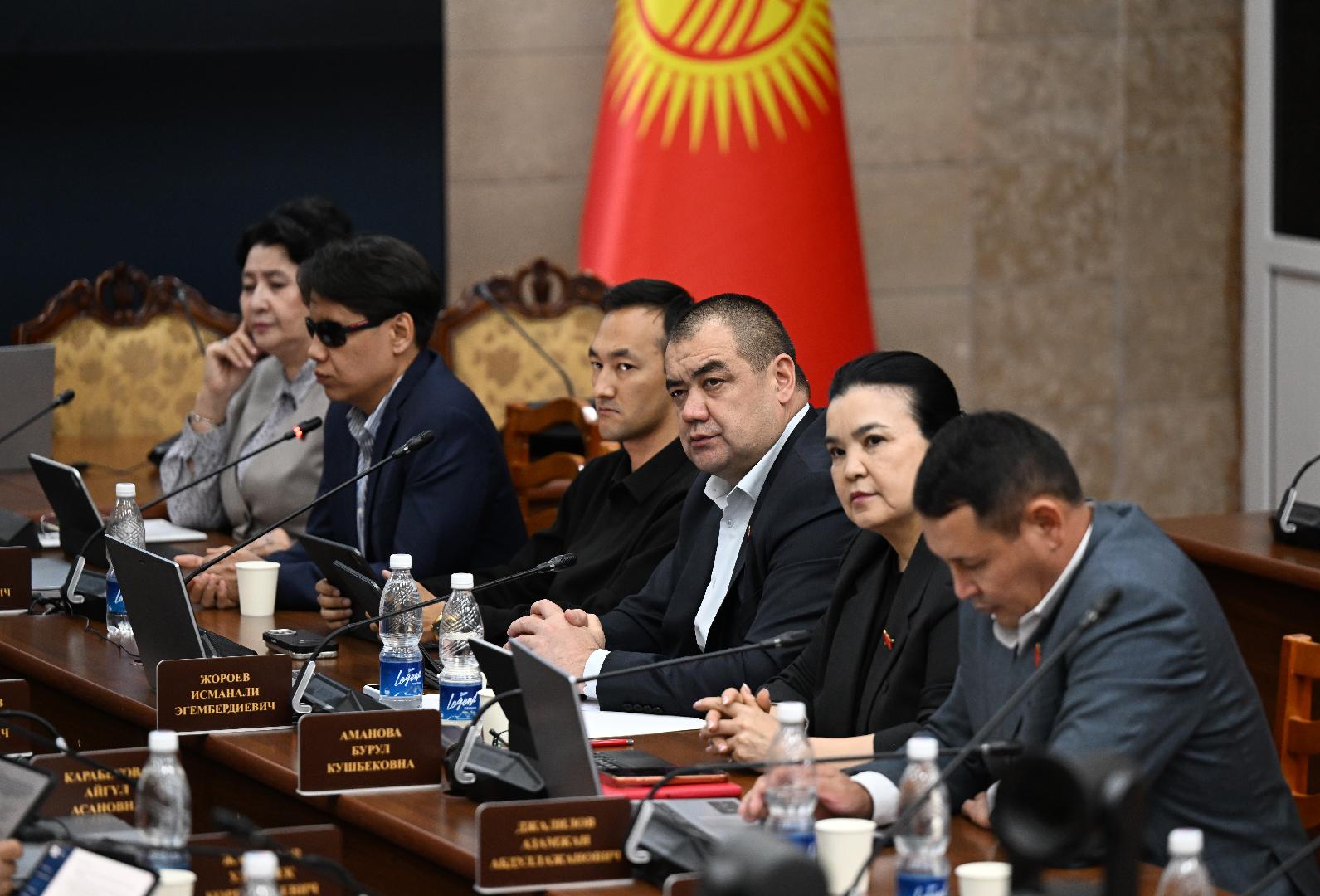
During the discussion, deputies primarily focused on transparency and the protection of participants’ rights. Ismanali Zhoroev raised the issue of procedural transparency and proposed designating the property as a museum of medicinal plants. Dastan Bekeshev stated that a single publication on websites is insufficient—information about auctions must be systematized and archived. Ilimbek Kubanychbekov advocated for broader public access to data, while Kamila Talieva called for strengthening investor protection and the principle of the bona fide purchaser.
The issue of property valuation was discussed separately. Deputies Aysarakhan Abdibayeva and Burul Amanova clarified the valuation procedure. The State Agency for State Property Management responded that this is handled by independent appraisers—an approach that is also enshrined in the draft law.