

Published
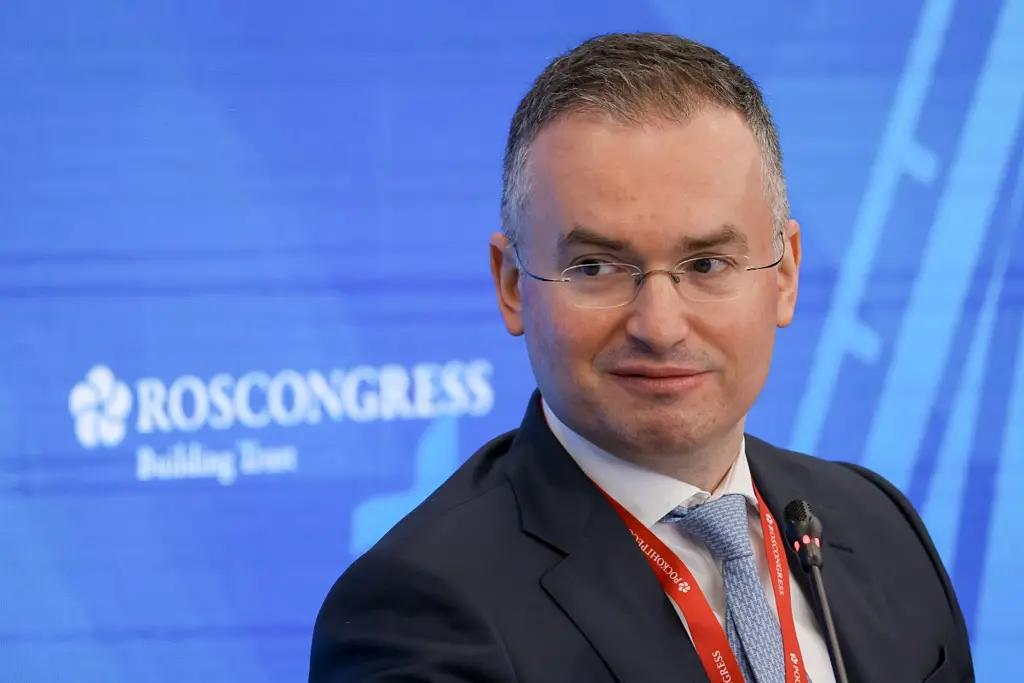
06/06/2026, 09:00Citizens’ pension savings and long-term savings should become one of the key sources of investment for the Russian economy. This was stated by Ivan Chebeskov, Russia’s Deputy Minister of Finance, at the St Petersburg International Economic Forum.
According to him, in the world’s largest economies, pension assets have long served as ‘long-term capital’, which is channelled into developing the stock market, financing infrastructure projects and supporting economic growth. Russia is also seeking to increase the volume of such resources within the country.
One of the main tools for achieving this goal has been the long-term savings programme. To date, more than 12 million contracts have been signed under the scheme, and the volume of accumulated funds has reached around 1 trillion roubles.
“If a product is beneficial and understandable to the public, it becomes beneficial for the economy as well. This is the dual logic behind the long-term savings programme,” noted Chebeskov.
According to the Ministry of Finance, long-term savings currently account for around 36.7% of Russians’ total savings, or approximately 18% of GDP. The Russian President has set the target of increasing this figure to at least 40%.
The ministry expects that by 2030, the volume of funds in the long-term savings programme will exceed 4.5 trillion roubles. At least half of this amount is to come from new contributions by citizens.
The authorities are paying particular attention to channelling existing pension savings into the economy. According to Chebeskov, for a long time many Russians did not regard these funds as their own. Transferring these savings into the long-term savings scheme allows citizens to see the size of their assets, track returns and play a more active role in building their future savings.
Participants in the discussion noted that the development of pension and long-term savings instruments could become one of the key drivers of growth in the Russian capital market. Accumulated funds can provide the economy with long-term investments, the need for which is growing against a backdrop of high interest rates and limited access to external financing.