

Published
08/31/2026, 13:10Kyrgyzstan’s national budget for 2027–2031 is forecast to show a sustained surplus. The funds are planned to be channelled primarily towards the development of economic sectors, the implementation of investment and infrastructure projects, and the repayment of peak principal instalments on the national debt.
According to the main priorities of fiscal policy, the budget surplus in 2027 will amount to 32.4 billion KGS, or 1.2 per cent of GDP. By 2031, it could more than triple to 99.2 billion KGS, or 2 per cent of GDP.
The priority areas for budgetary funding will be:
Furthermore, the authorities intend to create fiscal space to implement priority investment, social and infrastructure projects without unduly increasing the debt burden. It is also planned to allocate part of the resources to the Stabilisation Fund to finance socio-economic development measures.
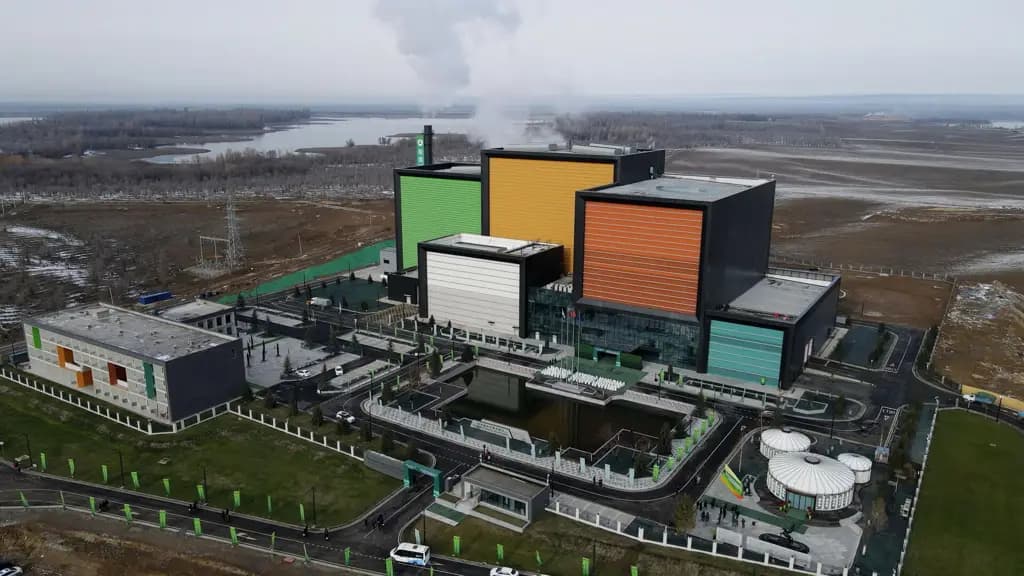
The modernisation of the district heating system will be a separate priority. By 2033, Kyrgyzstan plans to phase out budgetary subsidies for district heating companies. To this end, the plan is to modernise boiler houses and heating networks, introduce energy-saving technologies, reduce heat and water losses, and lower the cost of heat production.
Total state budget revenue, including proceeds from transactions involving non-financial assets, is forecast to reach 791.1 billion KGS in 2027. By 2031, it is expected to rise to 1 trillion 148.6 billion KGS.
Expenditure over this period will increase from 758.7 billion KGS to 1 trillion 49.4 billion KGS. At the same time, its share of GDP will fall from 27.7 per cent to 21.1 per cent, whilst its share of revenue will decrease from 28.9 per cent to 23.1 per cent.
The budgetary policy for 2027–2031 also provides for the automation of budgetary processes, increased transparency of expenditure, improved management of public investment and the minimisation of fiscal risks.