

Published
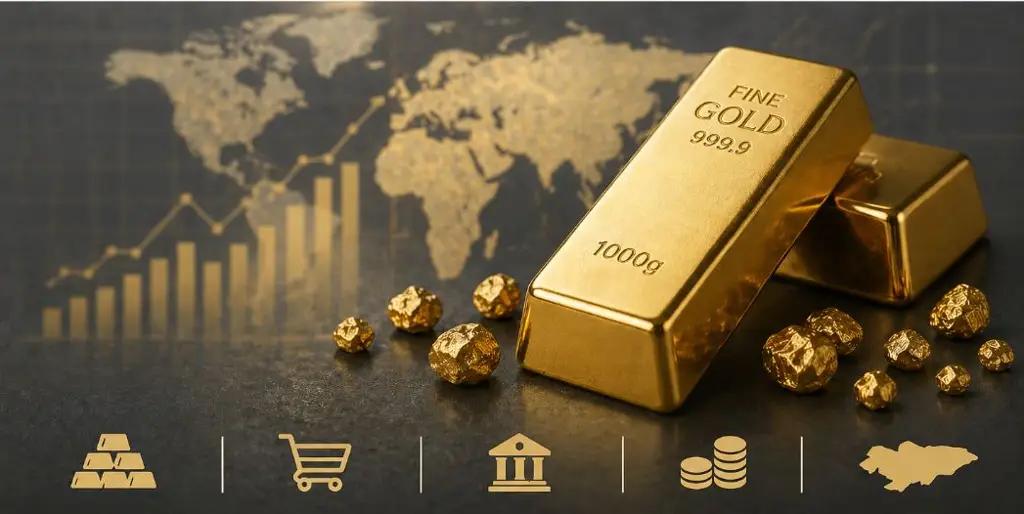
05/01/2026, 11:27Global demand for gold in the first quarter of 2026, including over-the-counter transactions, rose by 2% year-over-year to 1,231 tons. Against the backdrop of a sharp rise in prices, the value of demand surged by 74% to a record $193 billion.
According to the World Gold Council report, the main driver of growth was investment in bars and coins. Their volume reached 474 tons, up 42% compared to the same period last year. Investors from Asian countries were particularly active in buying gold.
Investments in gold-backed exchange-traded funds (ETFs) also showed growth—by 62 tons—though the pace was slower than last year’s due to an outflow of funds from U.S. funds in March.
At the same time, demand for jewelry fell by 23% in physical terms, although spending on it rose by 31%. This suggests that high prices are holding back purchase volumes but are not reducing interest in gold as an asset.
Central banks increased their gold purchases to 244 tons (+3%) during the reporting period, continuing to support the market amid global uncertainty.
The average price of LBMA (PM) gold reached a record $4,873 per ounce. In January, prices rose to a historic high of $5,405, followed by a correction. Overall, gold prices rose by 6% over the quarter.
“Geopolitical tensions, inflation, and high prices remain the key factors influencing the market in 2026. Investment demand and central bank purchases are expected to persist, while the jewelry segment will continue to face pressure,” notes the World Gold Council.
We would add that, according to industry statistics, in the fourth quarter of 2025, Kyrgyzstan was among the countries actively building up their gold reserves. It increased its reserves by 5.17 tons, placing it among the major buyers of the precious metal on the global market.