

Published
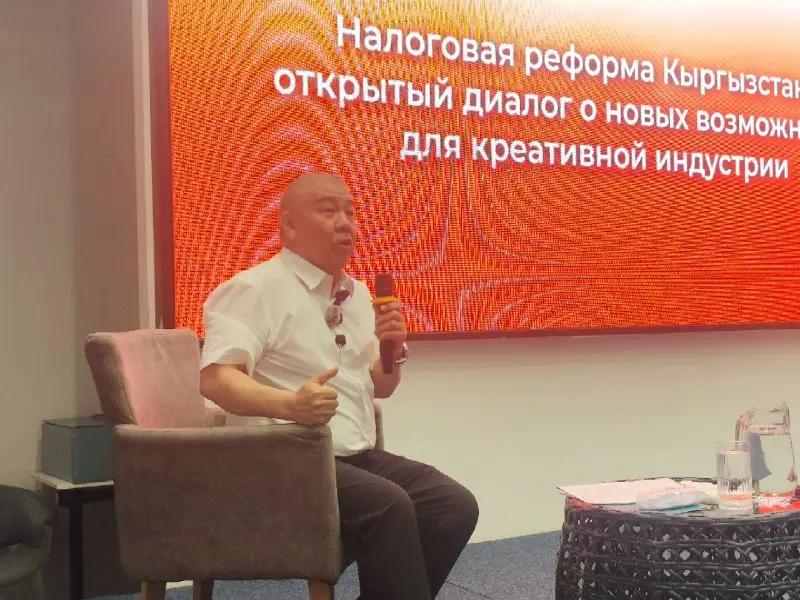
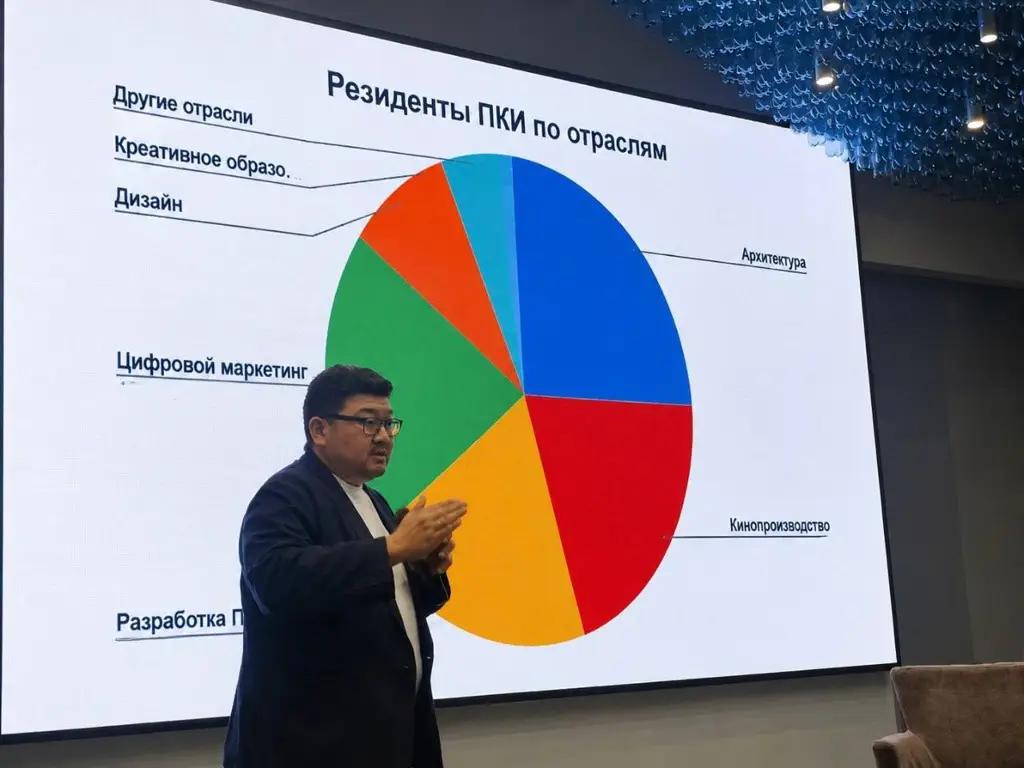
06/17/2026, 12:09The tax exemption for representatives of the creative industries is linked to the policy of developing the knowledge-based economy, which is becoming the main source of growth and prosperity for nations. This was stated by Daniyar Amanaliev, Chairman of the Supervisory Board of the Creative Industries Park, during a meeting held to explain the presidential decree on tax incentives for the creative sector.
According to him, the decision to exempt representatives of the sector from tax came as a surprise even to the market participants themselves.
“Some people think that it was us, the creative professionals, who approached the authorities and asked to be exempted from tax. In fact, that is not the case. This decree came as a surprise to us,” he said.
Amanaliev noted that public debate has centred on specific categories of beneficiaries, particularly bloggers; however, the decree must be viewed within the broader context of the country’s economic policy.
According to him, the global economy is currently undergoing a transition from tangible to intangible assets. Whereas a few decades ago the value of the world’s largest companies was determined by factories, equipment and property, today the main value is created by technology, software, brands, research and intellectual property.
As an example, he cited the world’s largest technology companies, whose value is determined primarily by research and development and innovation.
“Today, profits are made by those who invent, not by those who physically carry out the work,” noted the chairman of the PKI supervisory board.
In his view, Kyrgyzstan needs to create the conditions for the development of precisely these sectors, as they are capable of generating higher added value compared to traditional manufacturing.
He also drew attention to the problem of the brain drain from developing countries to wealthier nations. According to him, innovative entrepreneurs, scientists and developers usually seek to move to places where there is a well-developed educational environment, access to investment and opportunities to scale up projects.
In this regard, tax incentives should serve as a signal to both domestic market participants and foreign specialists.
“This decree sends a signal abroad. Kyrgyzstan is a country that wants to invest in its future. We believe in the knowledge economy,” said Amanaliev.
He also emphasised that the state is, in effect, investing in future economic growth by creating the conditions for the emergence of new products, technologies and companies within the country.