

Published
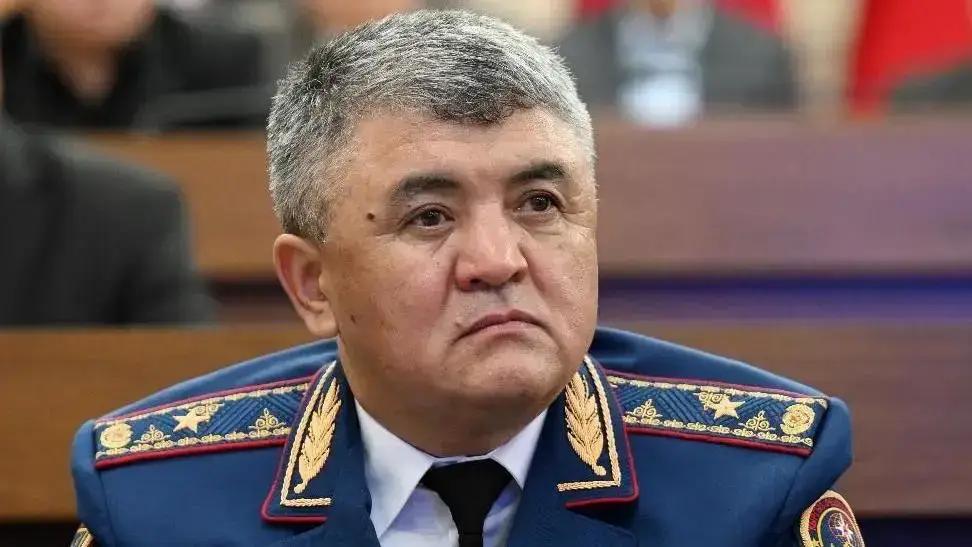
01/24/2026, 14:50Bishkek, 23 January 2026 — The Ministry of Energy of the Kyrgyz Republic held a meeting of the board to review the results of the ministry's work in 2025, with the participation of Deputy Prime Minister Bakyt Torobaev, Minister of Water Resources, Agriculture and Processing Industry.
The key topic of discussion was the situation with electricity generation against the backdrop of rapid growth in consumption. According to official data, while electricity consumption in the country amounted to 15.4 billion kWh in 2020, by the end of 2025 it had reached 19.3 billion kWh, an increase of more than 4 billion kWh, or over 25%.
At the same time, electricity production remained virtually unchanged over the same period. In 2020, production amounted to 15.3 billion kWh, and in 2025, it was about 15.4 billion kWh. Thus, generation growth has virtually stalled, while demand continues to grow at an accelerated pace.
During the meeting, it was noted that in recent years, the Toktogul, Uch-Kurgan and At-Bashinsky hydroelectric power plants have been modernised, and a number of small hydroelectric power plants have been commissioned, including Bala-Saruu, Kara-Kul, Kok-Art and Kainama. However, the pace of commissioning new generating capacity has not yet compensated for the growth in consumption.
An additional factor putting pressure on the energy system has been the decline in water resources associated with changing climatic conditions, which directly affects the potential for hydroelectric power generation.
Baky Torobaev emphasised that the Ministry of Energy faces the task of not only ensuring uninterrupted electricity and heat supply to the population and the economy, but also systematically solving the problem of electricity shortages. Particular attention is paid to the development of solar and wind power plants, which, despite active implementation, remain dependent on weather conditions and require reserve capacity.
Following the meeting, the Ministry of Energy was instructed to prepare electricity balance calculations, develop generation and form reserves for the stable operation of the energy system in conditions of growing demand.