

Published
12/25/2025, 08:21On September 24, a heated debate erupted in the Jogorku Kenesh over the decision to exempt retail sales of alcoholic beverages from licensing requirements. Deputy Guly Kožokulova questioned the consequences of such a move and pointed out the possible risks to public health, while the head of the State Tax Service insists that the measure is aimed at reducing corruption and administrative pressure on business.
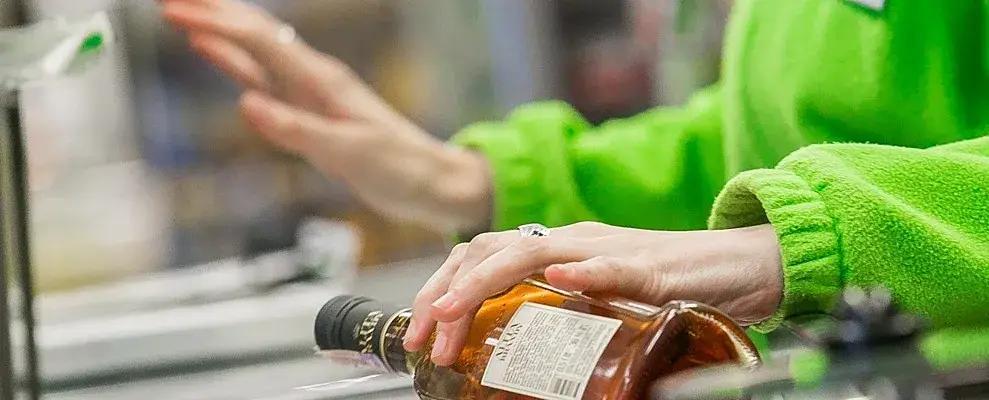
The deputy criticized the initiative, recalling that the purpose of the licensing law is to prevent harm to the life and health of citizens. According to her, the current version of the legislation does not distinguish between “small” and “large” trade, and the concept of retail sales also covers wholesale warehouses. In this regard, the abolition of licensing at the sales stage, in the opinion of the parliamentarian, can be regarded as a regulatory error or lobbying for individual interests.
“There is a feeling that someone's interests are being lobbied for,” the deputy said.
Almambet Shykmamatov, head of the State Tax Service, responding to questions, said that the consequences of the decision had been calculated. According to him, alcohol producers are still subject to licensing — this applies to 12 vodka factories, which are subject to strict control. Licenses will also remain in place for importers and transporters bringing alcoholic products into the country, as well as for large retail chains. He emphasized that small retail stores are exempt from licensing.
"The previous practice of retail licensing actually created corruption risks. After the agency for alcohol circulation control was merged with the State Tax Service, we surveyed retailers, who directly pointed out that licenses had become “constant requirements, inspections, and extortion.” Thus, the abolition of licensing is aimed at preventing inspectors from bypassing small stores with threats of fines," explained the head of the tax agency.
The deputy, however, insists that the problem lies not in the license itself, but in the practice of control, which could be prohibited by administrative decisions. According to Kozhokulova, licensing remains a tool for regulating the market, and its abolition in the alcohol sales segment could negatively affect the health of the nation and have long-term consequences.
In response, the head of the State Tax Service reiterated that a license essentially means regular inspections: if you issue a permit, you are obliged to monitor it. According to him, this led to endless visits by inspectors and pressure on businesses.
“You yourselves tell us to listen to business. So, here he is saying that licensing means selling paper for money, licensing fees, and corruption risks,” he emphasized, adding that this was precisely why the decision was made to abandon licensing for retail alcohol sales.