

Published
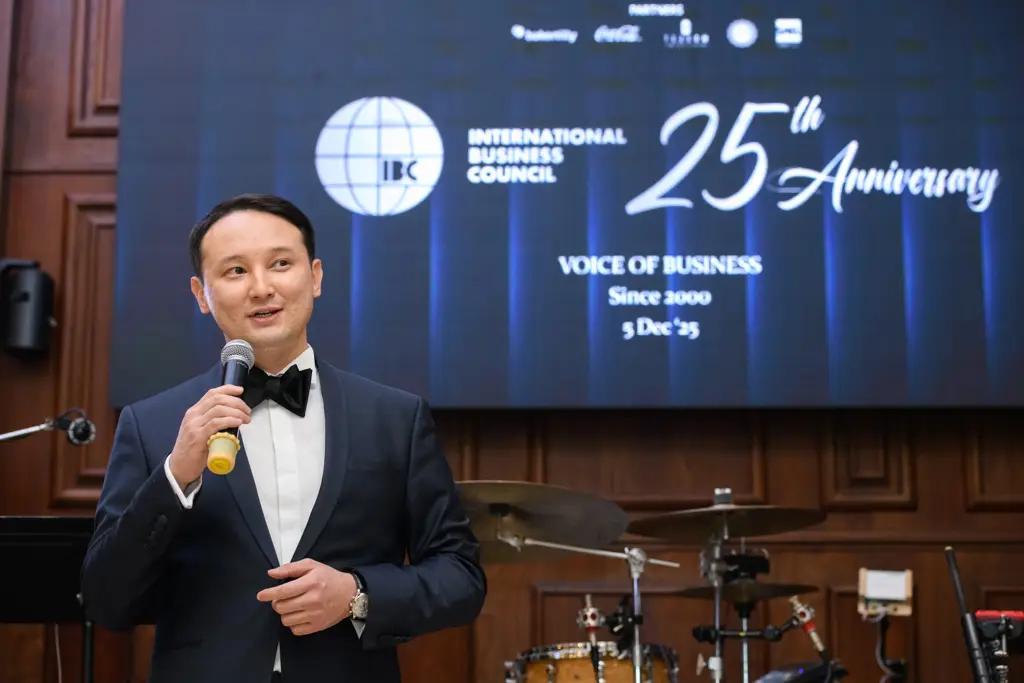
12/12/2025, 08:19At the end of last week, the International Business Council celebrated its 25th anniversary. It brought together representatives of the country's largest companies — those that provide over 20% of all tax revenues to the Kyrgyz state budget. The anniversary event demonstrated the role played by the private sector in the country's economy and how the association has grown over a quarter of a century.
Founded in 2000, the IBC has grown from an initiative of several international companies into one of the most influential business associations in Kyrgyzstan. Today, the council brings together more than 150 companies from 20 key industries, ranging from mining and finance to telecommunications, agriculture, and construction.
The BIC is a platform where the private sector and the state discuss reforms, shape the regulatory agenda, and remove barriers to business.
The event featured a film in which the first leaders of the BIC recalled how a new model of public-private dialogue was created in the early 2000s.
“It was a time when Kyrgyzstan was just entering the active phase of the market. Our goal was to create a platform where international companies could talk to the state on an equal footing,” the Council's founders recall.
Over time, the association became an open platform for domestic businesses as well: today, more than half of the BDC's members are local companies.
In a congratulatory video message, Prime Minister Adylbek Kasymaliyev noted the scale of the Council's role.
“MDS member companies generate more than 20% of the state budget's tax revenues. This is a huge contribution to the development of the country's economy,” the head of the cabinet emphasized.
He also expressed confidence that cooperation between the state and the MDS will only expand.
In his speech, MDC Executive Director Askar Sydykov said that hundreds of business issues are addressed by the association every year.
“And a significant part of them are successfully resolved. Over the past six years, the cumulative financial and economic effect of the MDC's work has amounted to at least $472 million,” Sydykov said.
According to him, the MDS actively participated in the development of the new Tax Code, lobbied for a reduction in the tax burden on tourism and public catering, and achieved stable conditions for subsoil users and the banking sector.
MDS Board Chairman Tanvir Aftab also emphasized the strategic role of the association.
“When investors ask where to start in Kyrgyzstan, I always recommend meeting with the IBC leadership. I am proud that the government consults with the IBC before introducing laws related to business, taxes, or investments,” said Tanvir Aftab.
Today, the International Business Council is a unique unified platform for constructive dialogue between business, government, experts, and international partners. The association has eight industry committees working on key reforms, including the ESG agenda.
“The history of the IBC is the history of the development of the business climate in Kyrgyzstan. We will continue to work to ensure that business in the country develops and people's lives improve,” emphasized Askar Sydykov in his closing remarks.