

Published
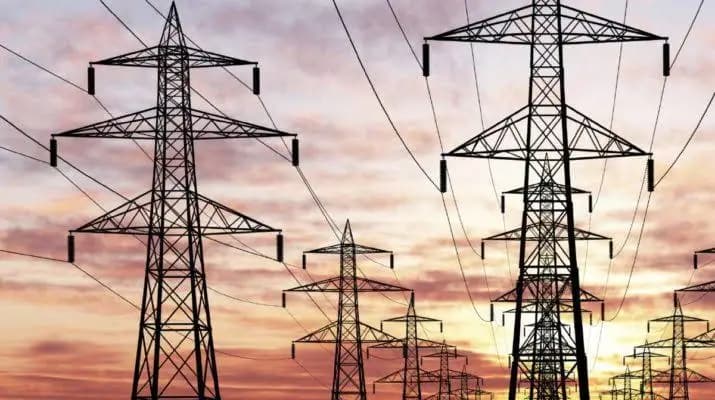
10/30/2026, 10:13The power systems of Central Asian countries can complement one another through hydropower, thermal power plants, and growing solar and wind generation capacity. Joint management of these resources will help reduce the cost of power balancing and minimize the risk of shortages. According to a report by the Eurasian Development Bank (EDB).
Historically, the Central Asian Unified Power System formed the basis of such cooperation. Kyrgyzstan and Tajikistan provided summer water releases from hydroelectric power plants to meet the irrigation needs of downstream countries, while during the cold season, part of the electricity was returned to upstream countries or offset by supplies from thermal power plants.
However, this model is changing due to rising domestic consumption, low water levels, and power grid constraints.
The development of solar and wind energy offers additional opportunities. During the day, these sources can generate a surplus of electricity, while demand rises in the evening. The combined use of hydroelectric power plants, energy storage systems, and thermal power plants will help offset these fluctuations.
To realize this potential, countries need to agree on rules for cooperation, establish data-sharing mechanisms, and create frameworks for sharing benefits and risks.