

Published
10/28/2026, 11:35In Bishkek, only 2% of the public buildings surveyed allow for a barrier-free route throughout the entire facility. At the same time, only 40% of these facilities have an entrance accessible to people in wheelchairs. These findings were presented by the Oasis Foundation on October 28 at a roundtable discussion titled “Accessible Country 2023–2030: From Commitments to Real Accessibility.”
During the event, the foundation presented the results of the first accessibility audit of 350 public buildings in the capital, as well as an interactive, inclusive map of the city. This map will allow people with disabilities to assess the accessibility of the facilities they need in advance and plan their routes.
The audit was conducted from 2024 to 2026 in four districts of Bishkek: Pervomaisky, Oktyabrsky, Leninsky, and Sverdlovsky. The data was collected by people with disabilities themselves, who also participated in evaluating the city’s infrastructure.
The survey took into account five key parameters: the presence and quality of ramps, the width of doorways, the availability of an elevator, an accessible restroom, and an emergency call button.
The average accessibility index for buildings was 2.19 points out of a possible 5. This is below the 3-point threshold established by the researchers. About 70% of the surveyed facilities did not meet this standard.
According to the audit results, 77 buildings were found to be in critical condition in terms of accessibility. Only 13 facilities demonstrated high scores.
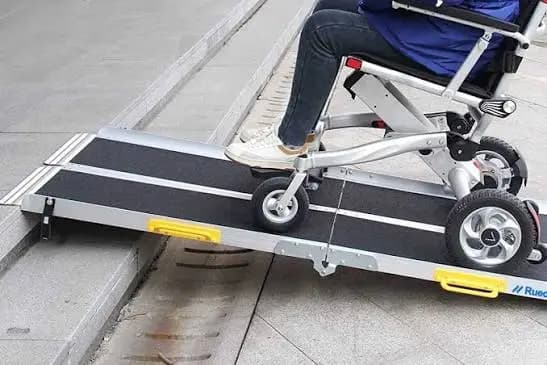
Ramps emerged as one of the main problems. Although many buildings have them, the ramps often have too steep a slope, slippery surfaces, insufficient width, or lack handrails. In some cases, a ramp leads directly to a staircase, making it impossible to use.
The study also revealed a lack of emergency call buttons, elevators, and accessible restrooms. Even where such restrooms are provided, they may be occupied or out of order. Older buildings often lack elevators and lifts.
Among the types of facilities surveyed, hotels, museums, movie theaters, and theaters proved to be the most accessible. In particular, the researchers found positive examples in museums that had undergone renovations.
The Oasis Foundation notes that involving people with disabilities in the data collection process allows for the real challenges they face when visiting public buildings to be taken into account. The audit results and the interactive map should serve as the basis for further dialogue with government agencies and efforts to remove barriers in urban infrastructure.